Both camps are increasingly exchanging sharp accusations as the country edges closer to the 2027 General Election.
The latest flashpoint emerged after leaders allied to the ruling United Democratic Alliance circulated a strongly worded open letter addressed to Uhuru.
In the note, Ruto’s allies claimed the former Head of State was undermining the Kenya Kwanza administration and attempting a political comeback through the opposition.
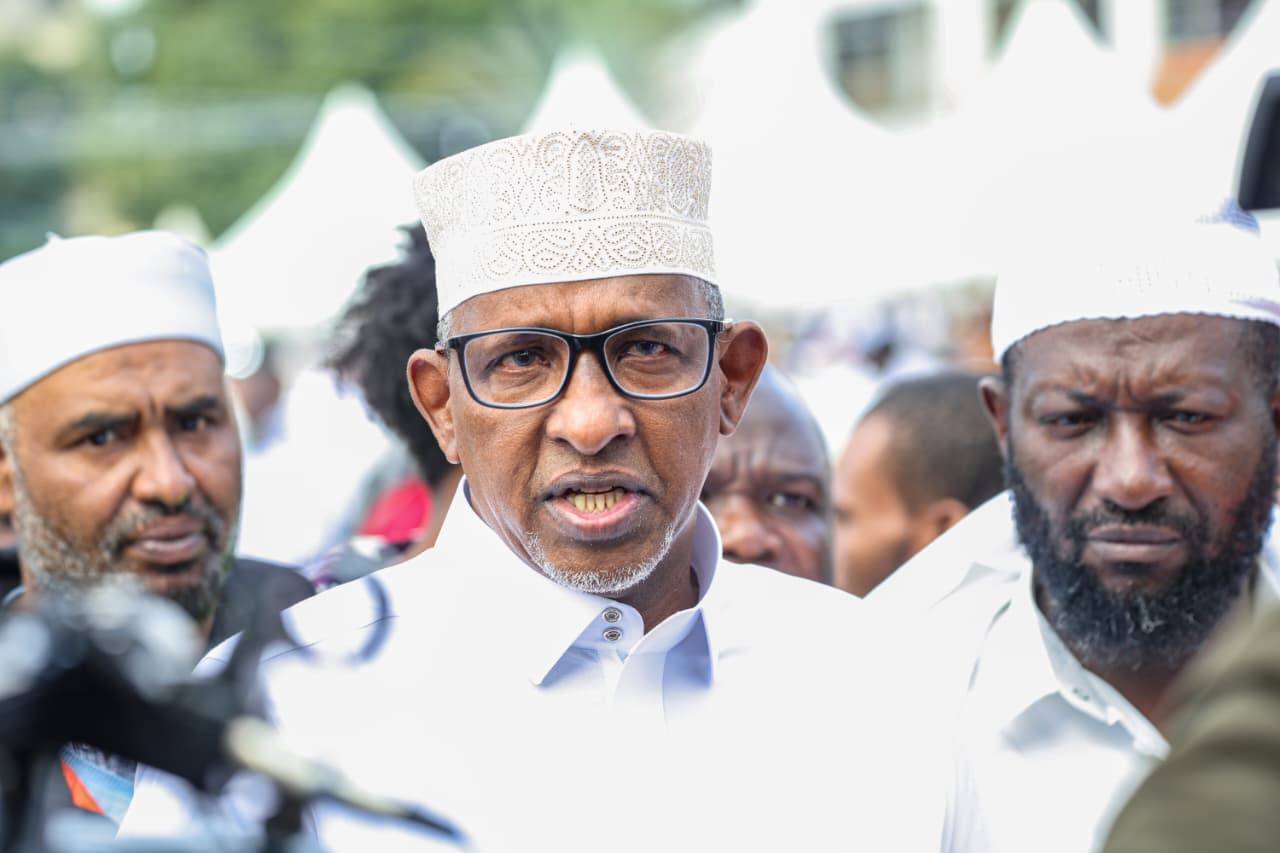
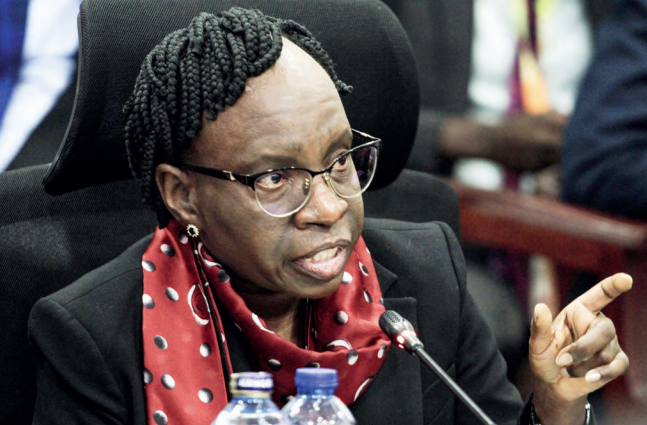
The letter, signed by chairperson Cecily Mbarire and secretary general Hassan Omar, alleged that the former President was “fuelling political tension while hiding behind calls for youth empowerment and national unity”.
The developments signal heightened tensions between the two former allies, whose 2022 fallout significantly reshaped the country’s political landscape.
For months, Ruto’s allies have increasingly portrayed Uhuru as playing a key role in energising the opposition, particularly after the former President intensified his political engagements and public speeches.
The criticism has coincided with Uhuru’s growing remarks on ethnic politics, governance challenges and what he described as attempts to divide Kenyans ahead of the next election cycle.
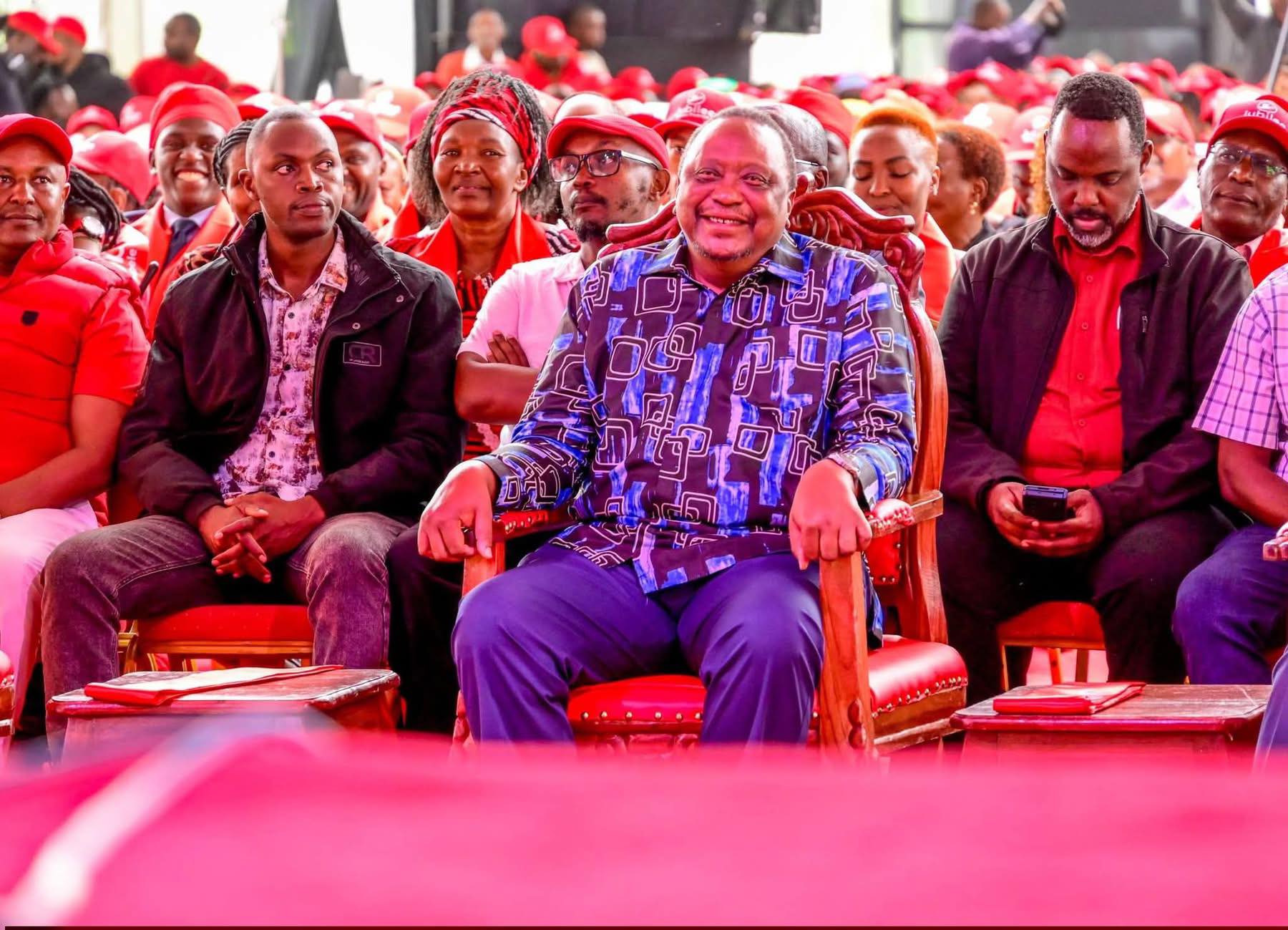
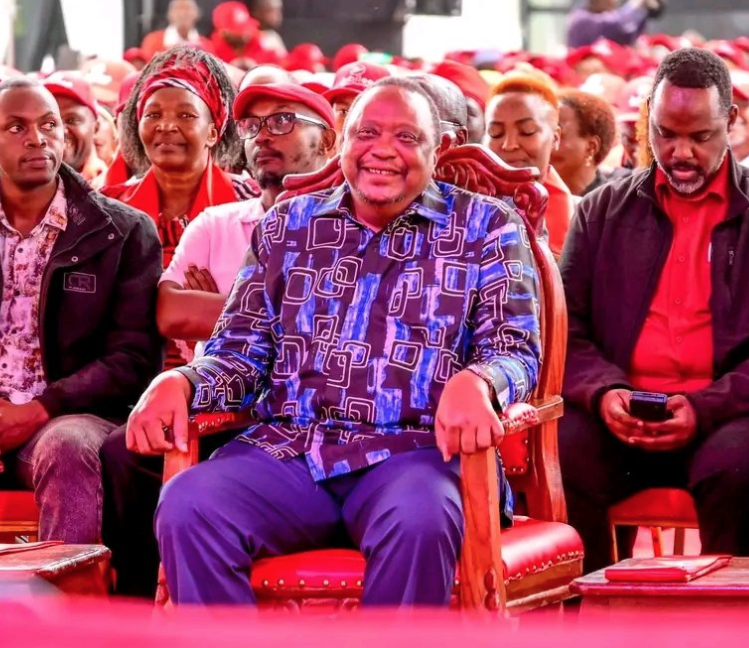
Speaking during a recent Jubilee Party delegates’ meeting in Kiambu, the former President urged young people to contest elective seats in 2027 and cautioned leaders against incitement and tribal politics.
“Nobody is supposed to threaten a certain community because we are all Kenyans,” Uhuru said, in remarks widely interpreted by political observers as directed at some allies of the ruling coalition.
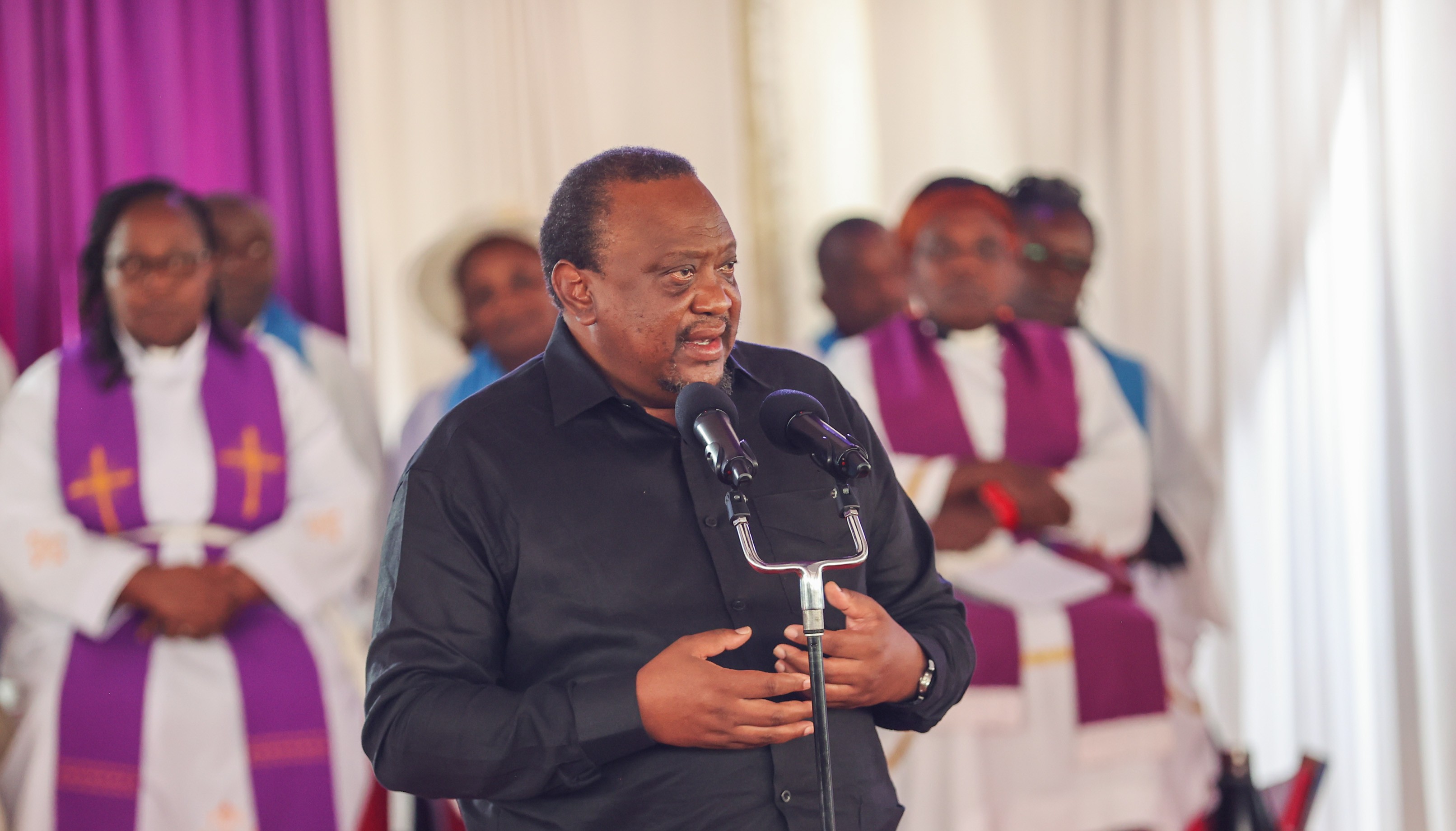
He also defended his continued participation in national politics, saying retirement from office did not take away his constitutional right to comment on issues affecting the country.
“When I speak one or two things, I am told I have retired and should go home,” he said during another political engagement earlier this month.
Those remarks appeared to trigger renewed criticism from sections of the Kenya Kwanza camp, which has in recent weeks intensified attacks on the former President.
Behind the scenes, political analysts say both sides appear to be preparing for a supremacy contest over the vote-rich Mt Kenya region.
While President Ruto swept the region in the 2022 election after falling out with his then-boss, recent political activity has fuelled speculation that Uhuru could be seeking to gradually regain influence in his political backyard.
His political re-emergence has been amplified by efforts to revive the Jubilee Party and rally sections of the opposition around a possible united front against President Ruto.
The former President has also increasingly positioned himself as a mentor figure to younger politicians, frequently speaking about generational leadership, governance and democratic participation.
In December last year, Uhuru urged African youth not to wait for leadership opportunities to be handed to them, arguing that young people were “leaders of today” and not merely “leaders of tomorrow”.
However, allies of President Ruto interpret the developments as part of a broader political strategy.
Several UDA figures have claimed Uhuru is attempting to distance himself from the economic challenges facing the country despite having led Kenya for a decade.
Others contend the former President is trying to rebrand himself as a defender of democracy, while questioning aspects of governance during his administration.
At public rallies, President Ruto’s allies have repeatedly blamed the previous administration for the country’s debt burden, stalled projects and economic hardships.
The President himself has occasionally cautioned unnamed politicians against manipulating young people for political gain.
“Youths are not political pawns,” President Ruto said during an event in Garissa earlier this year, where he cautioned leaders against exploiting frustrations among young Kenyans.
The escalating exchanges now risk reopening old political divisions between two leaders who once formed one of the country’s most formidable political alliances.
After joining forces ahead of the 2013 election, Ruto and Uhuru governed together for nearly a decade under the Jubilee administration.
But their relationship deteriorated sharply during Uhuru’s second term, particularly after the 2018 handshake between the former President and opposition leader Raila Odinga.
The fallout culminated in the fiercely contested 2022 election, where President Ruto defeated Raila despite Uhuru openly backing his longtime political rival.
Now, with Raila no longer at the centre of opposition politics, attention is increasingly shifting to whether Uhuru could be positioning himself as a key figure in a broader anti-Ruto coalition ahead of 2027.
Already, Jubilee insiders claim the former President has intensified consultations with opposition figures and regional political actors as parties begin early succession calculations.
Within Kenya Kwanza, there are growing concerns that sustained criticism of Uhuru could further alienate sections of Mt Kenya voters at a time when the region is showing signs of political fragmentation.
At the same time, some critics of the former President argue he risks appearing selective in his criticism of governance failures after presiding over many of the same institutions he now questions.
Still, Uhuru’s allies maintain that the former President is merely exercising his democratic right to participate in national conversations.
Former Kirinyaga Woman Representative Wangui Ngirici said they were closely following the unfolding events.
“Their obsession with Uhuru Kenyatta is worrying and raises eyebrows. They shouldn’t keep us guessing; they should say what it is, because the level of fixation doesn't look good. It's Wantam,” she said.
INSTANT ANALYSIS
With both camps appearing to dig in and political rhetoric steadily intensifying, the once-muted Ruto-Uhuru rivalry is increasingly returning to the centre of the country’s political discourse.