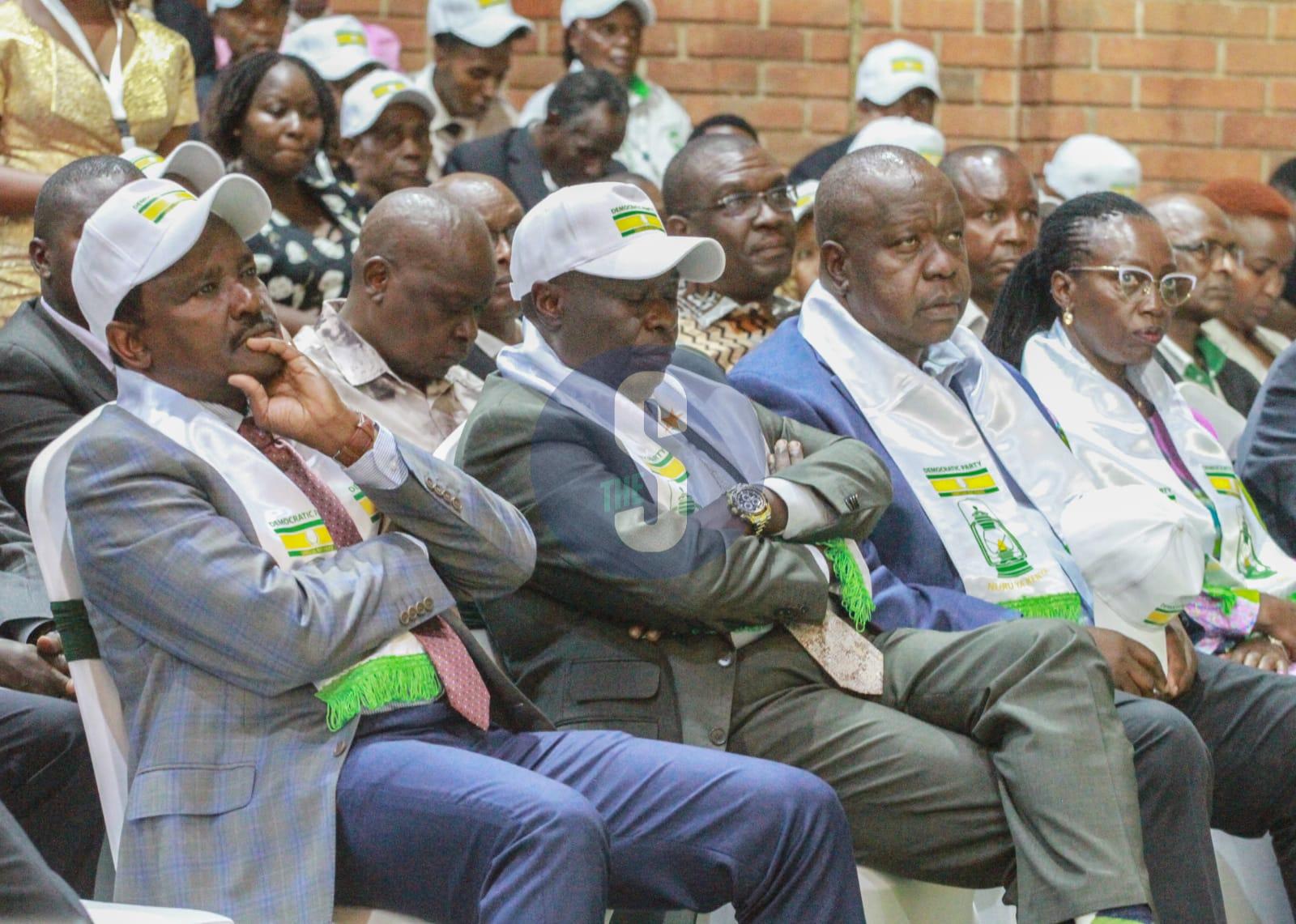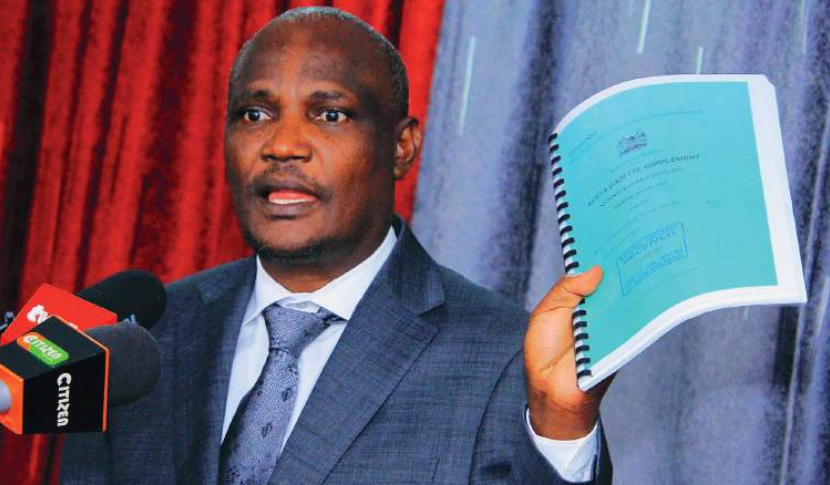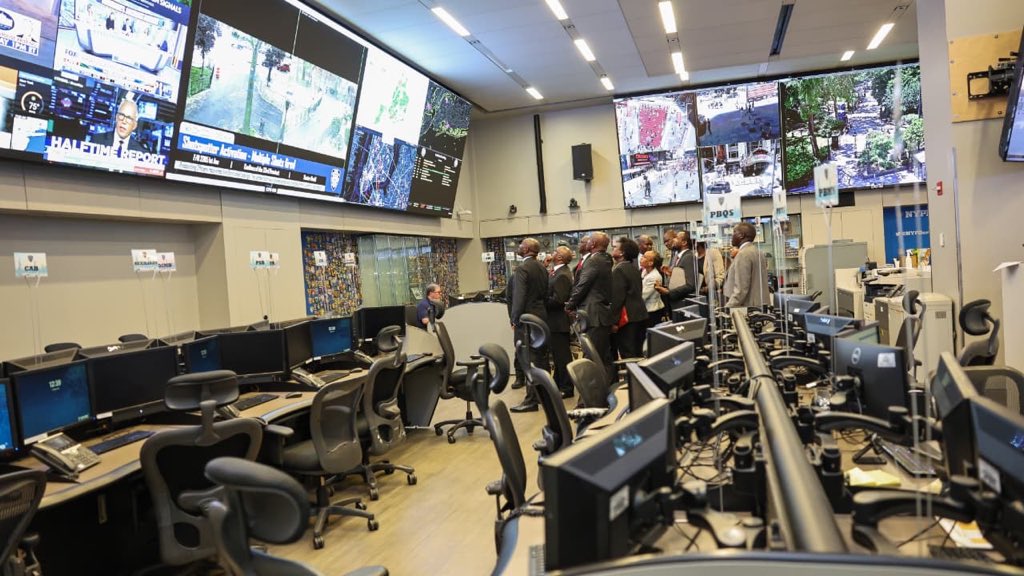


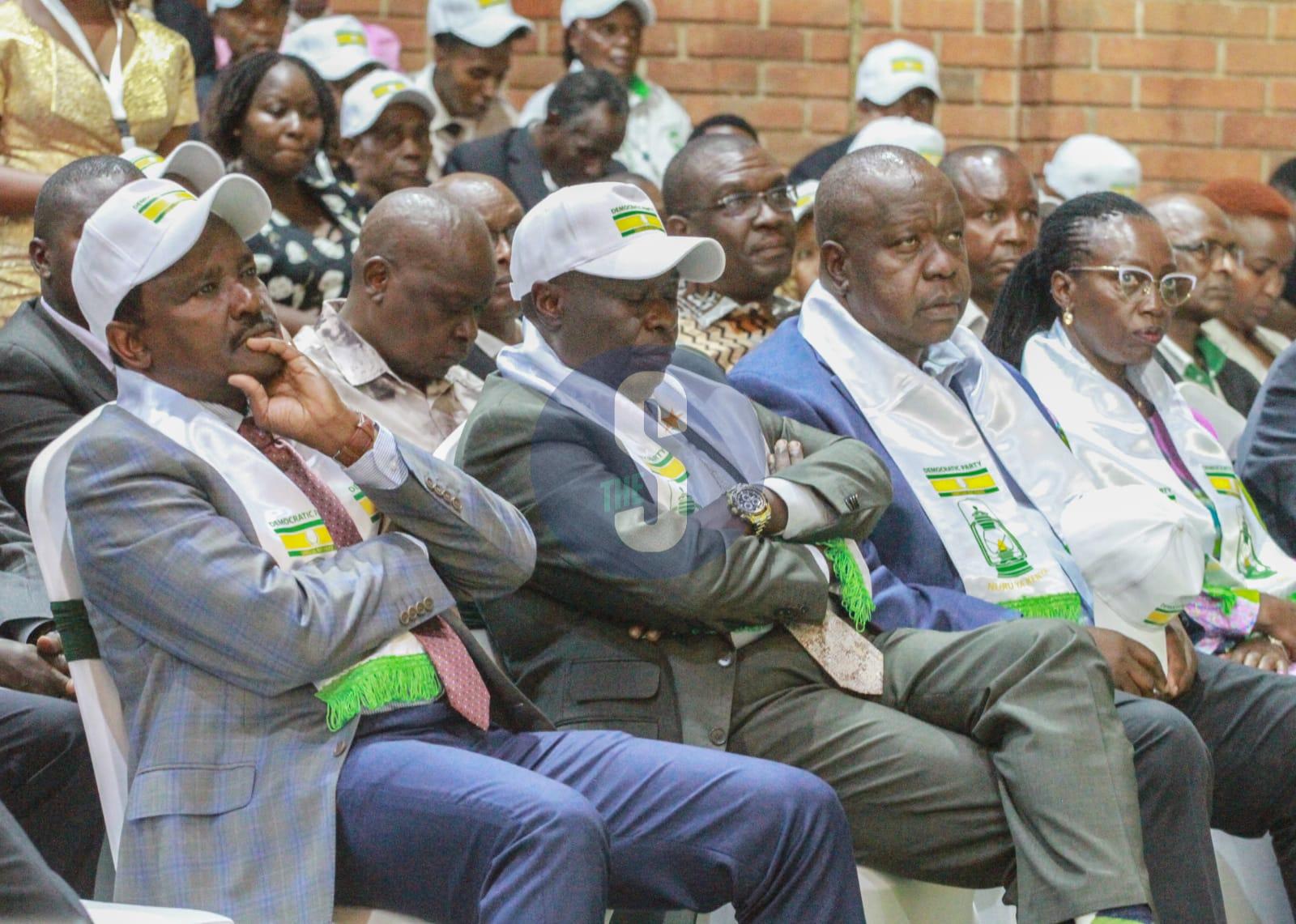
The United Alternative Government has raised concerns over reported Ebola preparedness arrangements, calling for full disclosure of any agreements, protocols or operational frameworks linked to the handling of potential cases.
The coalition alleged the public had not been adequately
informed about the nature and scope of the arrangements, arguing that any
engagement involving a high-risk infectious disease should be handled with
maximum transparency.
The group called for the publication of all related
documents, saying Kenyans have a right to know the terms under which Ebola
preparedness and response measures are being implemented.
“...Kenyans are left with more questions
than answers regarding the reported agreements, protocols, and arrangements
entered into by the government and their potential implications for public
health, public safety, and national preparedness,” the Opposition claimed in a
statement.
“The protection of public health is a constitutional
obligation and a matter of national security. Any arrangement involving one of
the world’s most dangerous infectious diseases must be subjected to
transparency and public scrutiny.”
The coalition also questioned whether existing public health
systems are sufficiently prepared to manage such arrangements, urging
authorities to strengthen hospitals, surveillance systems and emergency
response capacity.
“Trust is the currency of leadership, and transparency is the foundation upon which that trust is built...”
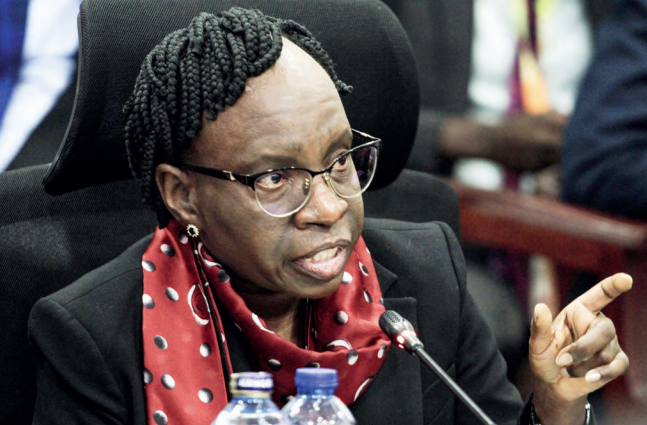
The conservatory orders were issued following a petition filed by Katiba Institute challenging the proposed arrangement.
“A conservatory order is hereby issued restraining the Respondents from establishing, operationalising, facilitating, approving or permitting the establishment and/or operation of any Ebola exposure, quarantine, isolation or treatment facility in Kenya pursuant to any arrangement with the United States of America or any foreign government or agency pending the inter-parties hearing of this application,” Justice Patricia Mande ruled.
On the Finance Bill, the group criticised proposed tax
measures, arguing they could increase pressure on households and businesses
already facing economic challenges.
It called for greater focus on accountability in public
spending before any new taxation measures
are introduced.
“Kenyans are not refusing to contribute to nation-building.
They are demanding accountability and value for money...,” the leaders said.
“The Gen Zs and Millennials who stood up against the Finance Bill in 2024 did not do so because they were anti-government. They did so because they were pro-Kenya, and that is why they are very clear on their clarion call.”