East African states have moved to strengthen a joint
regional response to the Ebola outbreak.
This is even as the US signalled it could seek alternatives
for the controversial quarantine facility if legal challenges in Kenya derail
the plan.
The parallel developments place Kenya at the centre of both
regional public health efforts and growing diplomatic scrutiny over plans to
establish a bio-isolation facility.
Both the US and the Kenyan government had agreed to set up
the facility at Laikipia Air Base for Americans exposed to Ebola.
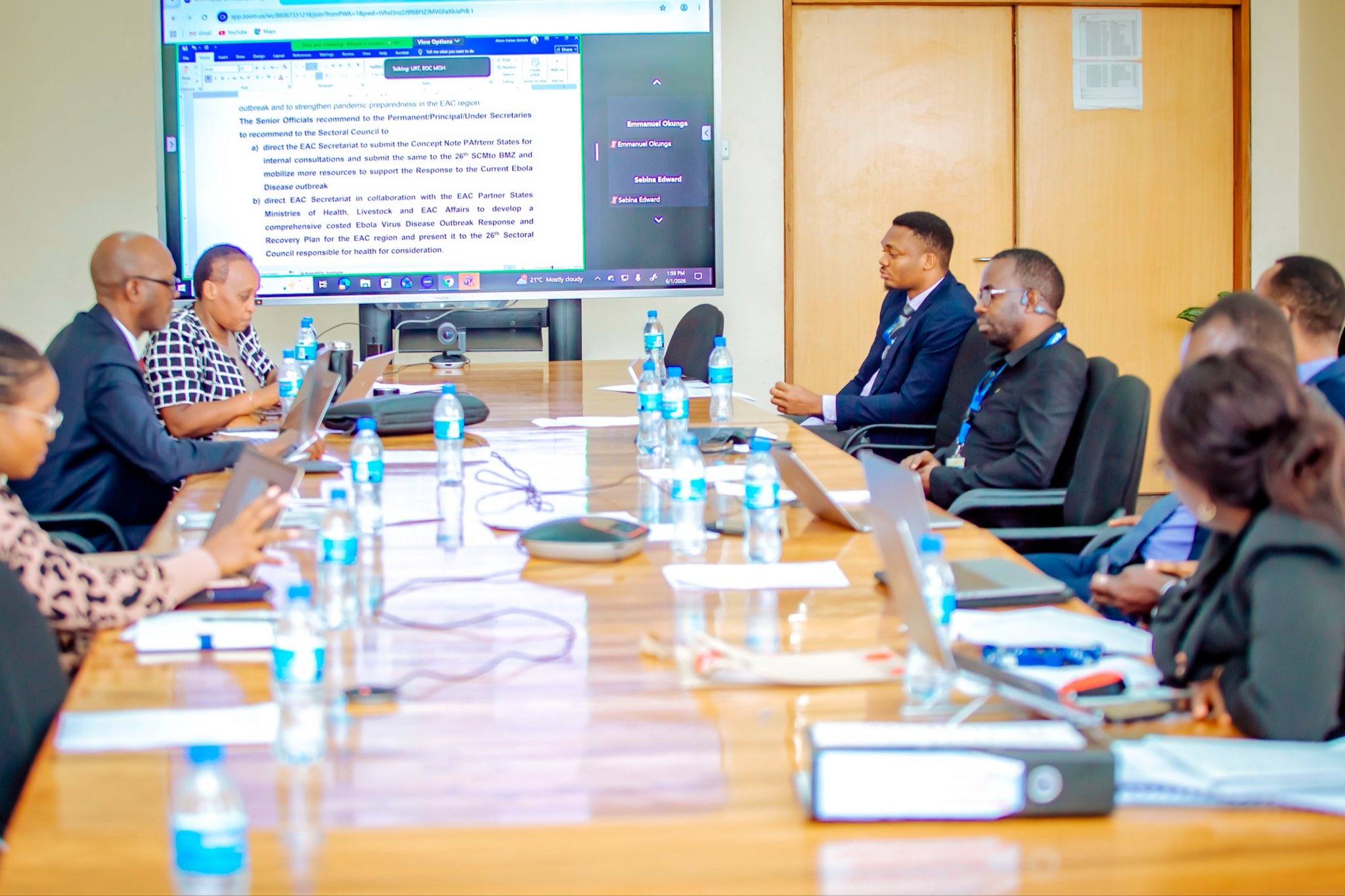
On Monday and Tuesday, the EAC convened an extraordinary
virtual meeting of health ministers to discuss joint measures to contain the
outbreak.
The meeting, steered by EAC Deputy Secretary General Aguer
Ariik, discussed proposals including harmonised Ebola surveillance across
member states and the deployment of mobile laboratories.
Other measures discussed included the establishment of a regional
Ebola taskforce and mobilisation of resources to strengthen preparedness and
response efforts.
“The senior officials recommend to the
Permanent/Principal/Under Secretaries to recommend to the Sectoral Council to
direct the EAC Secretariat to submit the Concept Note to Partner States for
internal consultations and mobilise more resources to support the response to
the current Ebola disease outbreak,” part of the recommendations from the
meeting stated.
The officials also proposed the development of a
“comprehensive costed Ebola Virus Disease Outbreak Response and Recovery Plan
for the EAC region”.
The meeting came amid growing fears over the spread of the
outbreak, which was officially declared on May 15 in the DRC.
As of June 3, the disease had affected the DRC and Uganda.
There were 321 confirmed cases and 48 confirmed deaths in the DRC and 15
confirmed cases and one death in Uganda.
South Sudan and Kenya have not reported any confirmed cases,
though regional preparedness activities are underway.
The regional bloc said it had already activated several
emergency interventions, including the deployment of nine mobile laboratories
in strategic cross-border locations and points of entry across the region,
among them the Busia border in Kenya.
Other measures include specialised training for emergency
medical teams, activation of a rapidly deployable pool of outbreak experts and
procurement of personal protective equipment for affected countries.
EAC Secretary General Amb Stephen Mbundi said the bloc was
working closely with member states, the Africa Centres for Disease Control and
Prevention, the WHO and development partners to strengthen surveillance and
rapid response systems.
Even as the regional efforts were being rolled out, the US
sought to calm concerns over plans to establish an Ebola exposure facility in
Kenya.
Speaking during a White House briefing, US Centers for
Medicare and Medicaid Services Administrator Dr Mehmet Oz said Washington was
considering alternative locations should the Kenyan plan collapse.
“By the way, there’s a UK base there. We have other people
who might be willing to welcome us, and we have our German colleagues as well.
So there are many places we can send folks,” he said.
Washington, however, remained hopeful it would resolve
concerns surrounding the proposed facility in Kenya despite a court case.
“We are confident, and the State Department’s working on
this diligently, that they’re going to work out something with Kenya. There has
already been a fair amount of communication around this issue,” Oz said.
His remarks appeared to signal growing urgency within the US
administration to secure a regional quarantine and monitoring facility close to
Ebola outbreak zones amid fears that transporting potentially exposed personnel
over long distances could delay emergency treatment.
“The main issue with having a facility close to the DRC is
if a patient is sick. I want to take the patient to the OR that’s right next
door to the room they’re sick in, not to the building next to them or to three
buildings two blocks away because that time is precious to us,” Oz said.
The US Embassy on Wednesday also defended the proposed
Laikipia facility, insisting it formed part of a broader effort to prevent the
regional spread of the disease. It added that it posed no risk to surrounding
communities.
“The bio-isolation facility in Laikipia is part of a
holistic response to prevent spread of the disease and lessen health risks for
the region as a whole; it does not pose risk to nearby communities,” the
embassy said in a statement.
The embassy added that Washington was also working with
Kenya to strengthen border detection, testing and outbreak response in
high-risk counties.
“Expanding regional capacity to isolate and test
asymptomatic individuals, including Americans working on the response effort,
will enhance Kenya’s readiness and preserve Kenya’s existing clinical resources
to assist Kenyan citizens,” the statement added.
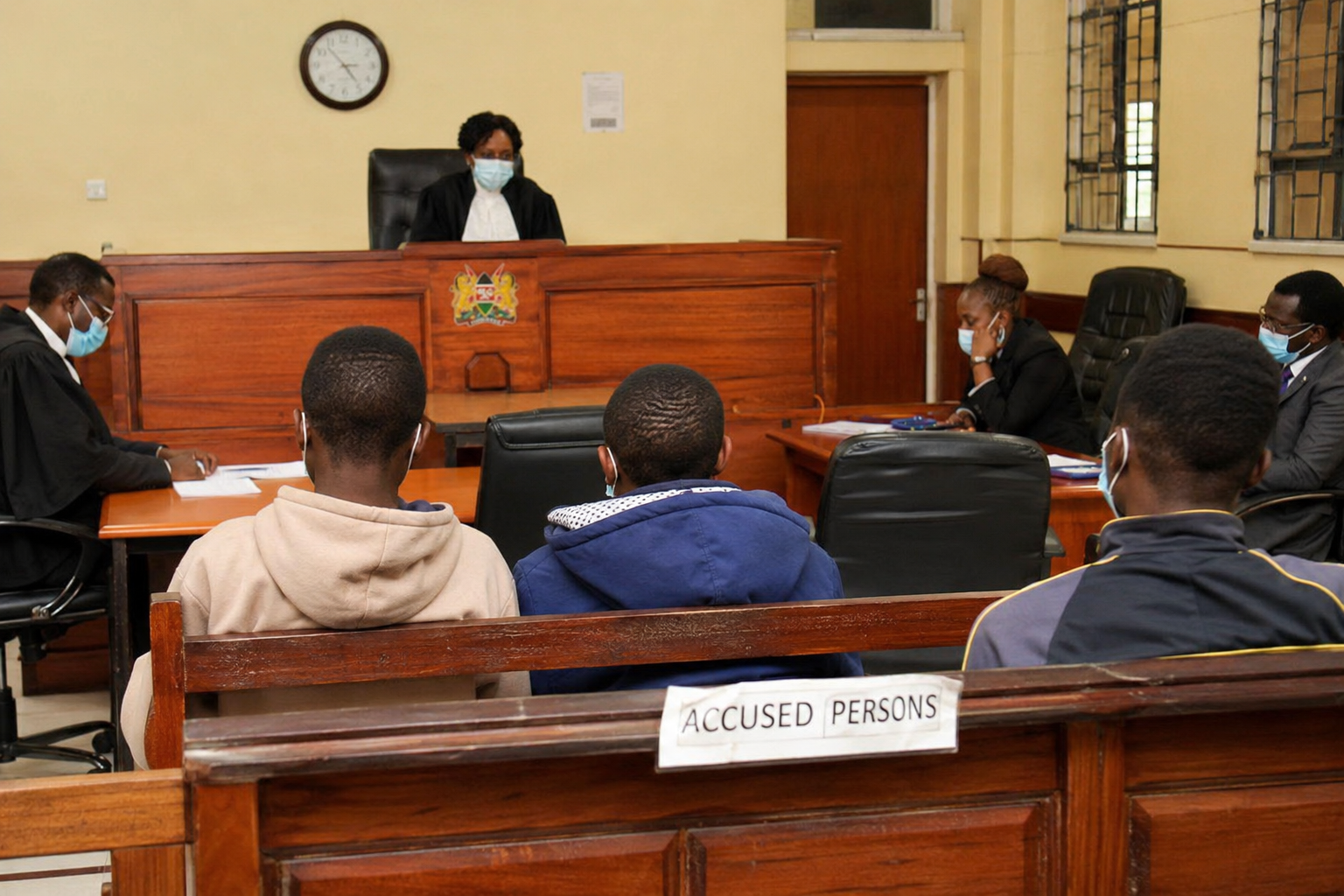
The proposed facility has nonetheless triggered legal and
political controversy, with critics questioning transparency around the deal
and expressing fears over possible health and security risks.
INSTANT ANALYSIS
East African states are mounting a coordinated regional
response to the Ebola outbreak as the US signals it could seek alternative
countries for a controversial quarantine facility if Kenya’s courts block the
Laikipia plan. The EAC’s emergency preparedness measures, alongside growing
diplomatic and political pressure on Nairobi, place President William Ruto at
the centre of a delicate balancing act between regional health cooperation, US
strategic interests and rising domestic backlash over the proposed
bio-isolation facility.













![[PHOTOS] Red carpet in Pretoria as Ruto begins South Africa visit](https://cdn.radioafrica.digital/image/2026/06/abe3e750-6e5a-4394-a45c-899768be6240.jpeg)