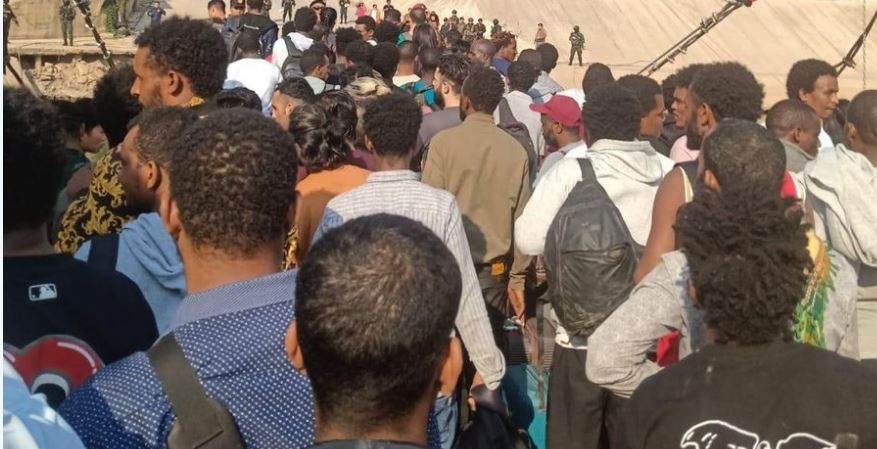
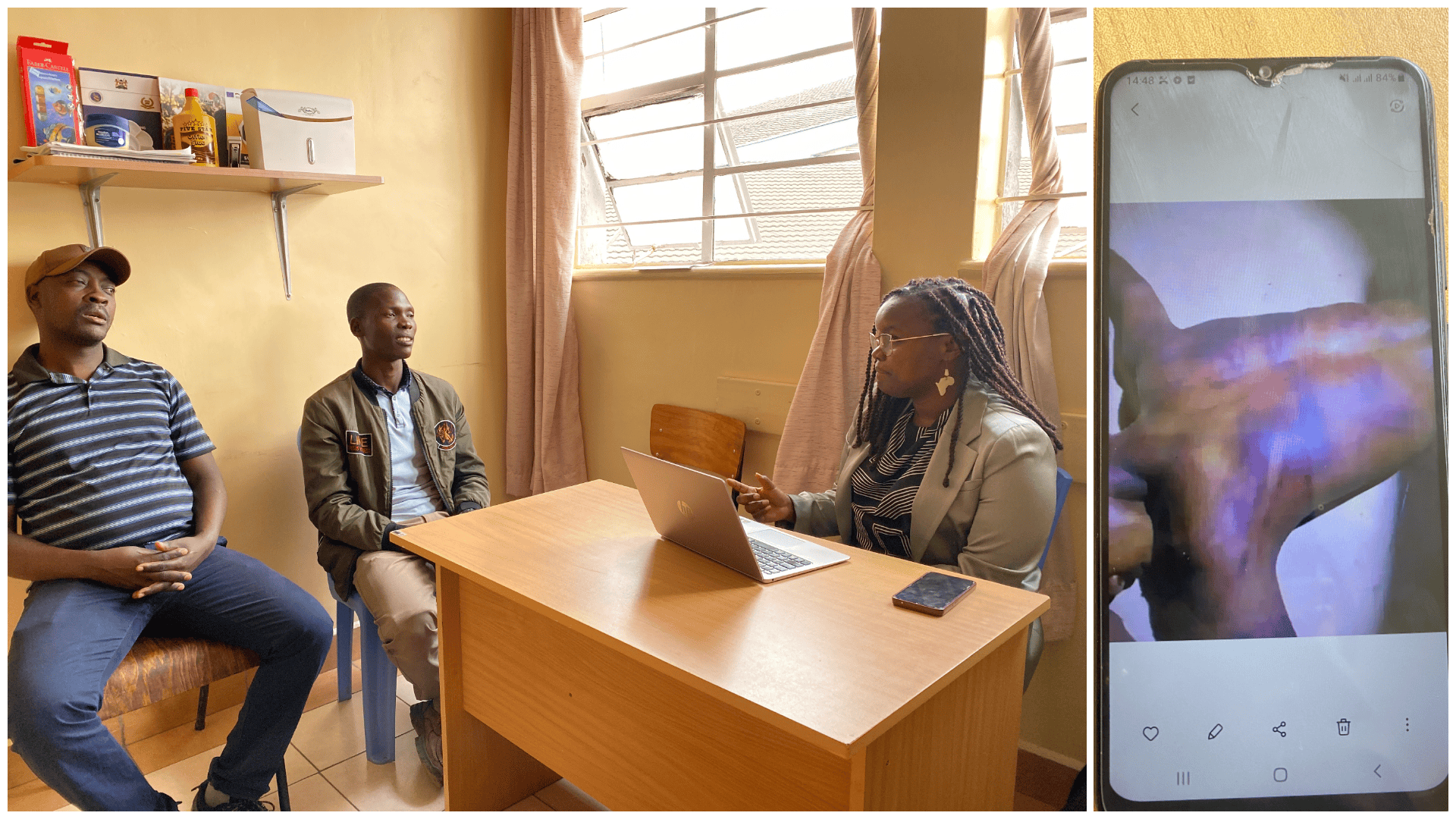
Kenya is facing a growing human trafficking crisis in
Southeast Asia, with the country's ambassador to Thailand warning Kenyans against
travelling to the region without due diligence.
Ambassador Lucy Kiruthu sounded the alarm while
responding to a case in which three Kenyans were reportedly abducted and
later detained in Thailand.
The three are Alex Kinyua Wanjiku, Dennis Kinyua Wanjiku and Morgan Mutugi Mwangi.
Kirinyaga Woman Representative Njeri Maina — who sought
a statement request on their repatriation in the National
Assembly — said the trio travelled to Thailand to look for work on September
24, 2025.
However, they were allegedly abducted on January 22,
2026, and their families were contacted with a ransom demanded for their release.
“On February 14, 2026, the families secured their
release after paying the ransom. However, their passports were confiscated,
leaving them undocumented. Consequently, they were apprehended by Thai authorities
for lack of documentation,” Maina said.
While the MP last week announced the trio had returned
home, she raised concerns over the safety and protection of Kenyans abroad, and the responsiveness of relevant government agencies in providing consular assistance
in distress situations.
However, Kiruthu told the Star the case
represented only a fraction of the consular challenges facing Kenyan mission in Bangkok, which also covers the Southeast Asia region including Cambodia, Lao PDR, Viet Nam and Myanmar.
"We had already sought a waiver for the people she [Njeri
Maina] referred to and the families just needed to buy tickets. They had
delayed to do so," she said.
The envoy added that the mission is routinely
handling similar cases.
"Every week we send back an average of 10 Kenyans
and we do not know them. We do not discriminate," she said.
Kiruthu said the mission is
overwhelmed by the numbers trafficked to the ASEAN region.
She said authorities do not know how many Kenyans
are trapped in scam compounds across Myanmar, Cambodia and Laos as new cases
emerge almost daily.
"We do not even know the numbers of those held in
scamming compounds in Myanmar, Cambodia and Lao PDR. Every day is a new
case," she said.
The remarks offer a glimpse into the latest
migration and trafficking challenge involving Kenyan citizens lured abroad by
promises of lucrative jobs only to find themselves stranded, exploited or
trapped in criminal operations.
Foreign Affairs CS Musalia Mudavadi in May said over 751
Kenyans have been rescued, with 615 having been repatriated, and 39 jailed in
Myanmar for illegal entry and cybercrime offences in the last four years.
Mudavadi told the Senate Committee on Labour
Migration that 97 people who crossed from
Myanmar to Thailand are in the Immigration Detention Centre in Bangkok awaiting
deportation upon provision of air tickets by their families.
In Cambodia, Mudavadi said that from January to April
2026 alone, 406 Kenyans have been rescued and 305 successfully repatriated. The
remaining continue being facilitated for repatriation, and another 29 Kenyans
in Loas have been repatriated.
In March last year, then Kenyan ambassador to Thailand
Kiptiness Lindsay announced that 129 Kenyans were rescued from Myanmar.
Kiptiness, currently serving as Middle East Directorate deputy
director-general at the Ministry of Foreign Affairs said the 129 Kenyans were
among foreigners who went to Myanmar over the promise of lucrative jobs.
They were however recruited in scamming fields and
forced to commit various online crimes, including fraud, identity theft,
phishing, romance scams and cryptocurrency fraud.
Across Myanmar, Cambodia and Laos, international law
enforcement agencies and human rights organisations have documented the growth
of sophisticated scam compounds run by transnational criminal syndicates.
Victims are often recruited through online adverts
promising jobs in customer service, digital marketing, online trading,
cryptocurrency operations and information technology. Many travel believing
they have secured legitimate jobs abroad.
International media investigations have linked the
compounds to human trafficking networks that recruit workers from Africa, Asia
and Latin America.
The ambassador's remarks suggest that Kenyans are
increasingly becoming part of this global phenomenon.
More worrying, however, is her admission that
authorities lack accurate information on the scale of the problem.
The inability to establish how many Kenyans are trapped
in such facilities points to the difficulties the government faces in tracking
victims, who may enter countries through irregular channels, move across
borders or lose communication with family members.
The envoy recommended awareness among Kenyans to protect
them from falling for the trap.