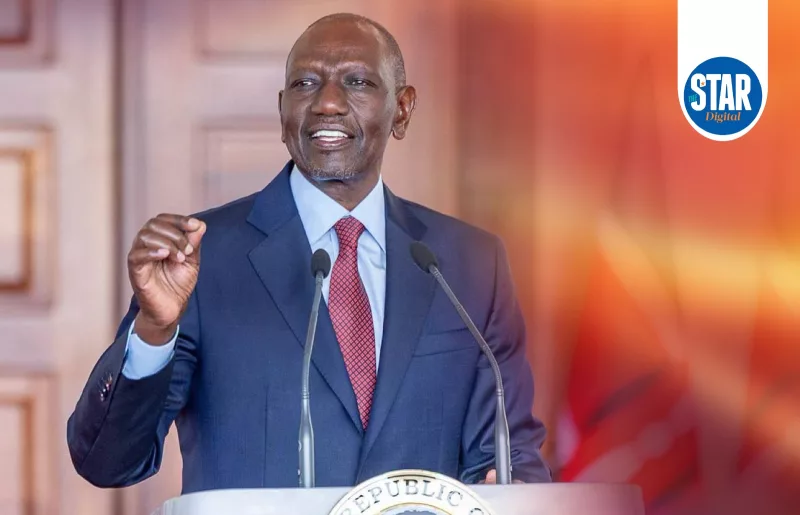
The government has defended its decision to abandon the controversial student-centred university funding model after just three years.
Education CS Julius Ogamba said the system failed to ensure all qualified students accessed higher education and left public universities facing a financial crisis.
He said the model, introduced in 2023, had fallen short of its objective of expanding access to university education.
Ogamba spoke when he appeared before the Senate’s National Cohesion and Equal Opportunities Committee.
He said the government found that only about 40 per cent of university students received financial support under the previous arrangement, far below the intended target.
"The funding model that the government has adopted is basically out to ensure no qualified university student is locked out of their studies because they cannot afford it," Ogamba told senators.
"We realised that under the previous model only about 40 per cent of university students were benefiting instead of the intended 80 per cent," he added.
Ogamba was responding to concerns raised by Makueni Senator Daniel Maanzo, who sought an explanation for the government's decision to overhaul the funding system and whether adequate resources had been allocated to support all eligible students.
The CS said the review followed concerns the financing framework was failing both learners and institutions.
He revealed that 23 public universities were on the verge of insolvency as many students struggled to pay fees, leaving institutions without sufficient operating income.
According to Ogamba, the government has submitted legislation to Parliament seeking to consolidate all bursaries and scholarships into a single funding kitty.
The move, he said, is intended to guarantee that no deserving student misses out on university education because of financial hardship.
"We want a system where every qualified student can pursue higher education regardless of their background," Ogamba said.
The remarks came days after President William Ruto announced plans to replace the needs-based funding model with a universal funding system covering all students placed in universities and Technical and Vocational Education and Training (TVET) institutions through the Kenya Universities and Colleges Central Placement Service (KUCCPS).
The President said the government had lost confidence in the current model after concluding that it had failed to deliver equitable access to higher education.
He also criticised the earlier Differentiated Unit Cost (DUC) model, saying universities remained financially distressed because government allocations consistently fell below actual funding requirements.
The proposed reforms require Parliament to amend existing higher education laws before the new funding framework can take effect.
Until then, the current funding model remains operational.
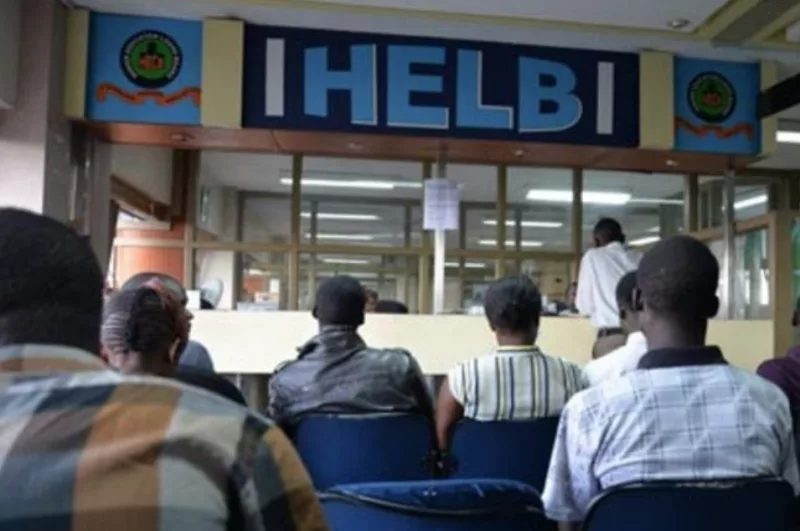
The Higher Education Loans Board has already invited continuing students to apply for loans for the 2026-27 academic year, signalling that existing funding arrangements remain in force.
The student-centred funding model was introduced in May 2023 to replace the Differentiated Unit Cost model.
Unlike the previous system, where government funding was largely channelled directly to institutions, the new model allocated support based on individual student needs.
Students were assessed using a Means Testing Instrument that considered household income, family background and other socioeconomic indicators before being placed into different financial bands.
Government support through scholarships and Helb ranged between 60 and 95 per cent of tuition costs, with families expected to meet the remaining balance depending on their assessed financial capacity.
However, the model quickly attracted criticism.
Many students complained they had been placed in the wrong funding bands, forcing vulnerable learners to pay fees they could not afford, while others perceived to be financially stable received generous support.
The rollout also suffered delays in loan disbursements, triggering protests across several universities as students struggled to pay rent, buy food and meet other basic needs.
The controversy eventually reached the courts.
In December 2024, the High Court ruled the funding model had not met the constitutional threshold on public participation, dealing a major blow to the government's reforms.

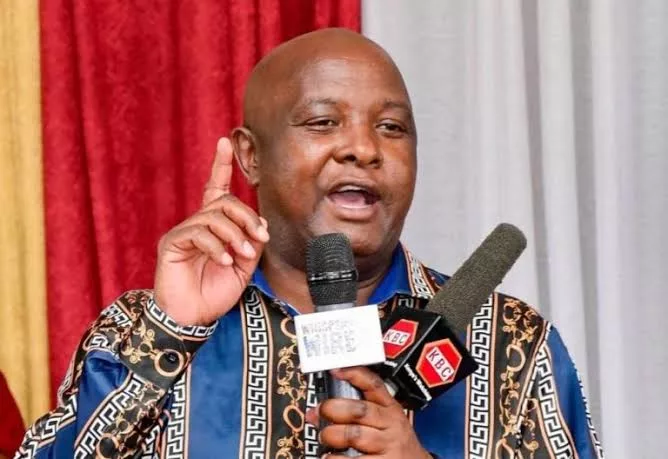
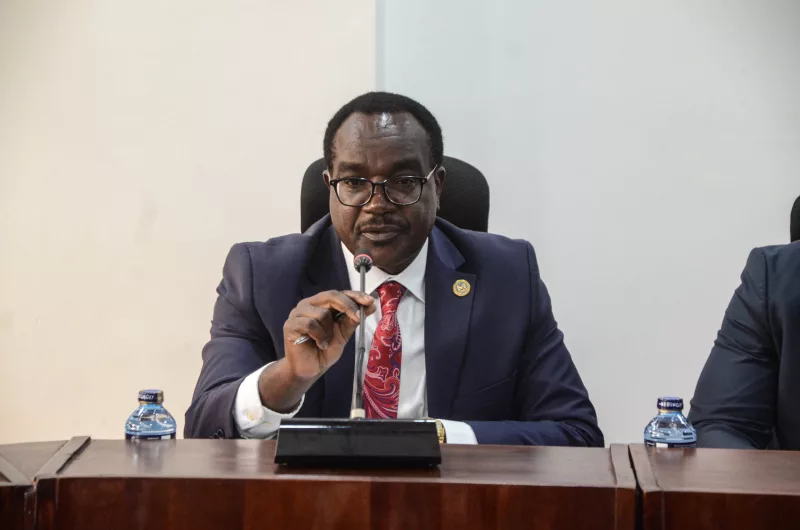
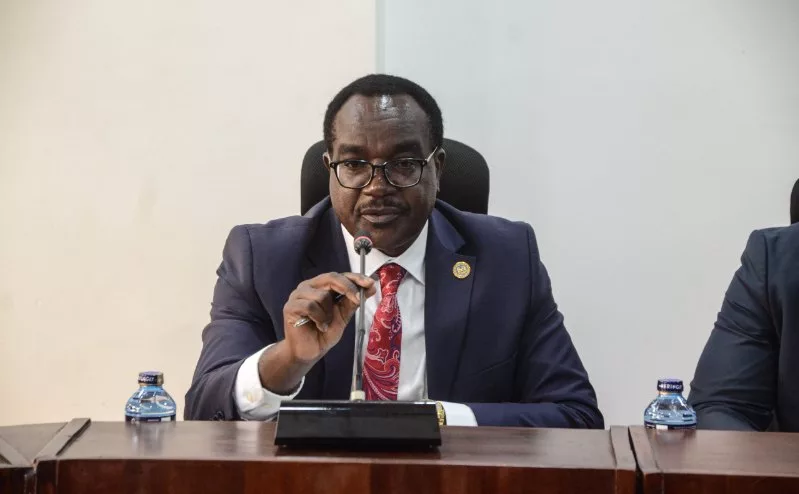 Education CS Julius Ogamba when he appeared before the National Cohesion, Equal Opportunity and Regional Integration Committee at Bunge Towers on July 23, 2026 /DOUGLAS OKIDDY