Customer surge powers Airtel Africa’s profit as market share widens
East Africa remained one of the company's strongest growth regions, with revenue increasing by 14.4 per cent in constant currency.
by VICTOR AMADALA
Audio By Vocalize
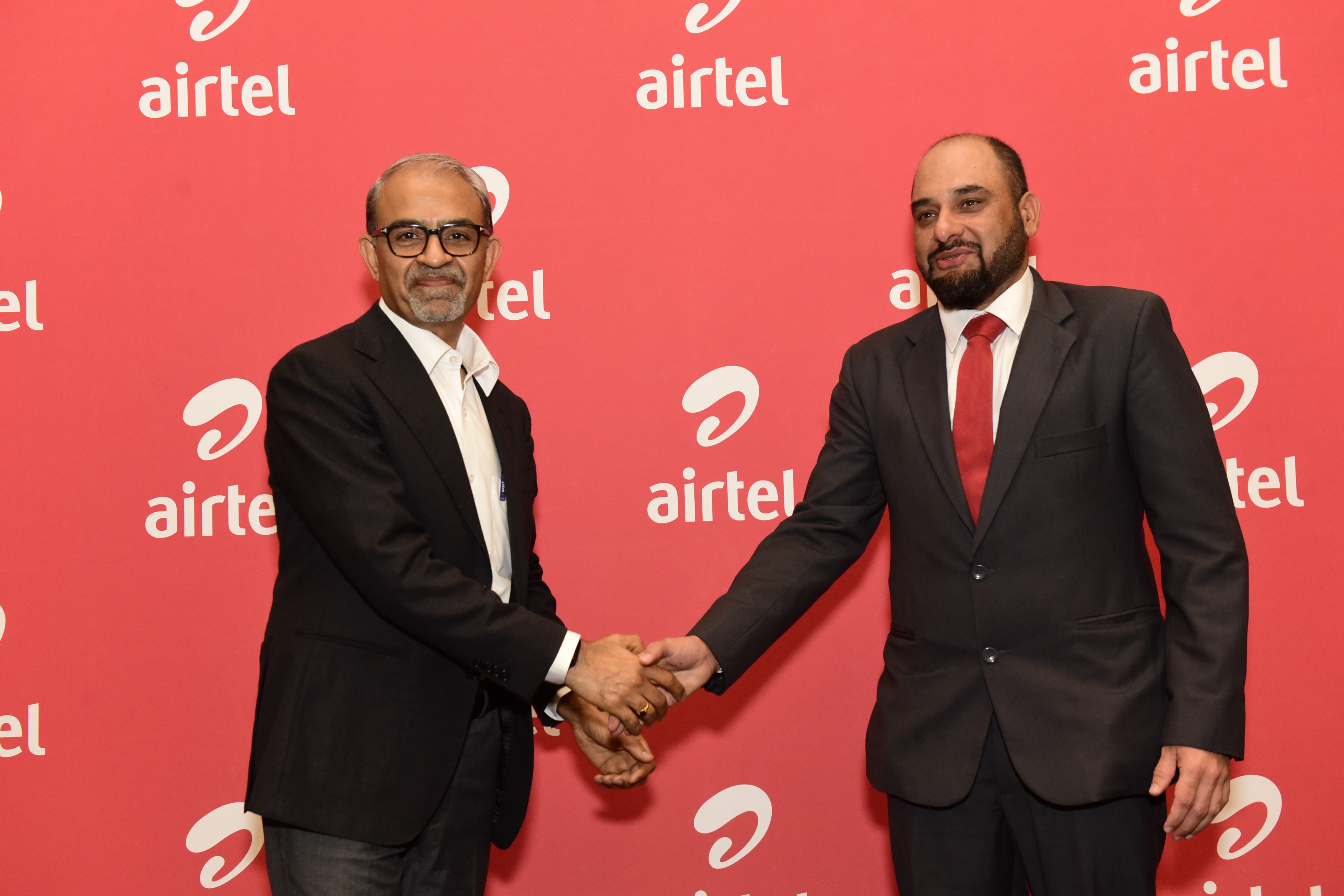
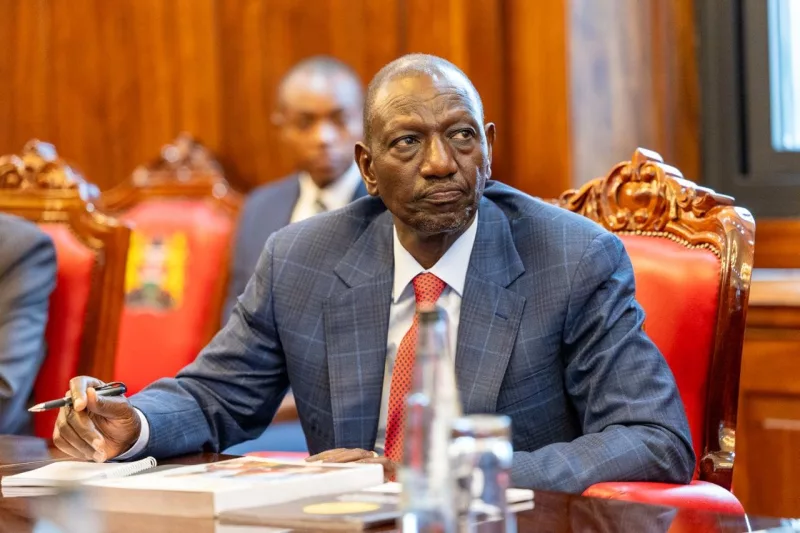
Airel Africa
Group chief
executive
officer Sunil
Taldar /HANDOUT
Airtel Africa has credited
strong customer growth in Kenya and the wider East African region for helping
deliver robust financial results for the financial year ended June 30, 2026.
The telecommunications firm's
financial results released late last week show net profit climbed by 27
per cent to $198 million
(Sh25.5 billion) from $156
million (Sh20.1 billion) a year earlier
Revenue rose by 31 per cent to $1.853 billion (Sh239 billion), supported
by double-digit growth across its mobile and financial services businesses.
East Africa remained one of the
company's strongest growth regions, with revenue increasing by 14.4 per cent in constant
currency.
The performance was driven by
a 9.3 per cent increase
in the customer base and a 5.3 per
cent rise in average revenue per user (ARPU), highlighting the
region's growing importance in Airtel Africa's overall business.
Kenya has been central to that
momentum.
Airtel Kenya has steadily
expanded its subscriber base over the past two years, steadily eating into
Safaricom's dominance.
According to the latest
Communications Authority of Kenya sector statistics, Safaricom's market share
eased to about 64 per cent, while Airtel Kenya increased its share
to approximately 35 per cent, reflecting continued gains in mobile
subscriptions as competition in the market intensifies.
In reported currency, East Africa
generated revenue of $607 million
(Sh78.3 billion), representing growth of 21.9 per cent.
Voice revenue expanded by eight per cent in constant
currency, largely supported by the 9.3
per cent increase in the customer base.
Group chief executive officer
Sunil Taldar said the company had begun the new financial year on a strong
footing, attributing the performance to sustained investment in customer
experience, network expansion and digital transformation.
"Our continued focus on the
customer experience translated into accelerating customer base growth across
all business segments," he said.
Taldar said the company continues
to digitise its operations by simplifying customer journeys, increasing digital
adoption and using data analytics and artificial intelligence to improve
service delivery.
He noted that smartphone
penetration across Airtel Africa's markets rose to 51 per cent, up by 5.2 percentage points over the
past year, helping drive a 56.3
per cent increase in data traffic as more customers embraced
digital services.
The group's total customer base
expanded by 11.6 per cent to 189 million, while data customers grew
by 15.5 per cent to 87.3 million.
Average monthly data consumption
per customer increased from 7.8
gigabytes to 10.6
gigabytes, underpinning a 10.3
per cent increase in data ARPU in constant currency.
Mobile money also remained a key
growth engine. Airtel Money's customer base grew by 23.3 per cent to 56.5 million, while annualised total
processed transaction value surged by 51.5 per cent to more than $245 billion (Sh31.6 trillion).
Taldar said the fintech business
continues to deepen financial inclusion by expanding digital payment services
and new financial products.
He confirmed that Airtel Money
remains on course for a London listing later this year, which the company
expects will broaden access to international investors and unlock additional
value for one of Africa's largest digital financial platforms.
To support future
demand, Airtel Africa significantly accelerated investment in network
infrastructure.
Capital expenditure increased
to $389 million (Sh50.2 billion) from $121 million (Sh15.6 billion) a
year earlier, enabling the rollout of more than 920 new network sites during the quarter and expansion of its
fibre network to 82,100 kilometres.
The company said continued
investment in network quality, combined with ongoing cost-efficiency
programmes, positions it to sustain growth despite rising energy costs linked
to geopolitical tensions.
This is premium content
Subscribe to Continue Reading
Help us continue bringing you unbiased news, in-depth investigations, and diverse perspectives. Your subscription keeps our mission alive and empowers us to provide high-quality, trustworthy journalism. Join us today to make a difference!