


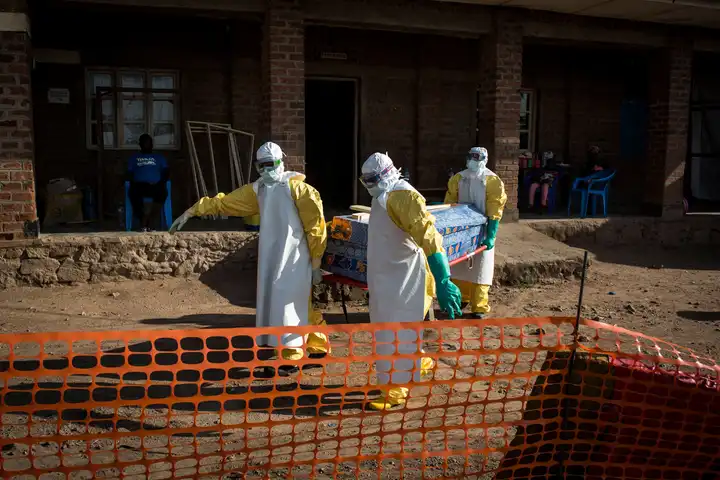
A rare strain of Ebola spreading across the Democratic Republic of Congo (DRC) and Uganda is raising fresh alarm among health experts, who warn that the outbreak could be far bigger than current official figures suggest.
The outbreak has already pushed the World Health Organization (WHO) to declare a public health emergency of international concern following a sharp rise in suspected infections and deaths.
Health authorities in the DRC say hundreds of people are showing symptoms linked to Ebola, while thousands of contacts are being monitored as governments race to stop further spread across borders.
What is particularly worrying experts is that the current outbreak involves the Bundibugyo strain of Ebola — a rare form of the virus for which there are currently no approved vaccines or medicines.
International SOS Global Health Advisor Dr Chris van Straten says the outbreak presents multiple challenges at the same time.
“It’s extremely dynamic,” Dr van Straten said in an interview with the Star.
“The numbers that are coming out, we believe there are over 800 suspected cases and more than 200 suspected deaths. But many experts believe the numbers are probably higher.”
Why the virus was not detected quickly
According to Dr van Straten, one of the biggest concerns is that the outbreak was not immediately identified because health workers were initially testing for the more common Ebola strains.
“The reason it wasn’t initially picked up is that they were testing for the Zaire strain or the Sudan strain because those are the strains most commonly seen in the DRC and neighbouring countries,” he said.
“It was only because of a smart lab technician who realised the symptoms strongly matched Ebola that they tested for Bundibugyo.”
The last major Bundibugyo outbreaks were recorded in 2007 and 2012.
“We haven’t seen it since then, so it wasn’t initially suspected,” he explained.
Experts now fear the disease may have spread quietly for weeks before being properly identified.
Conflict and poverty creating ‘perfect storm’
The outbreak is concentrated in eastern DRC, especially in Ituri Province and North Kivu, regions that have experienced years of armed conflict and displacement.
Thousands of people are living in overcrowded camps with poor sanitation, limited healthcare and little access to clean water.
Dr van Straten described the situation as “the perfect storm” for Ebola transmission.
“People are living very close to each other. They don’t have access to clean or running water. They don’t have access to good medical care,” he said.
“That means the spread of this disease is in the perfect storm.”
The movement of people across borders is also increasing the risk of regional spread.
Many people regularly travel between the DRC, Uganda and neighbouring countries in search of work, trade or safety from conflict.
“There’s a lot of migration across those borders,” Dr van Straten said.
“People are trucking into mine sites to seek labour or returning home to their families, and this creates the perfect environment for spread.”
How Ebola spreads
Unlike Covid-19 or measles, Ebola is not easily spread through the air.
Instead, the virus spreads mainly through direct contact with infected body fluids such as blood, vomit and diarrhoea.
“If I have vomited and you come into direct contact with my vomit or blood, then your risk is high,” Dr van Straten explained.
“But if you are wearing gloves and protective equipment, the risk drops significantly.”
Healthcare workers, caregivers and family members are among the groups facing the highest risk.
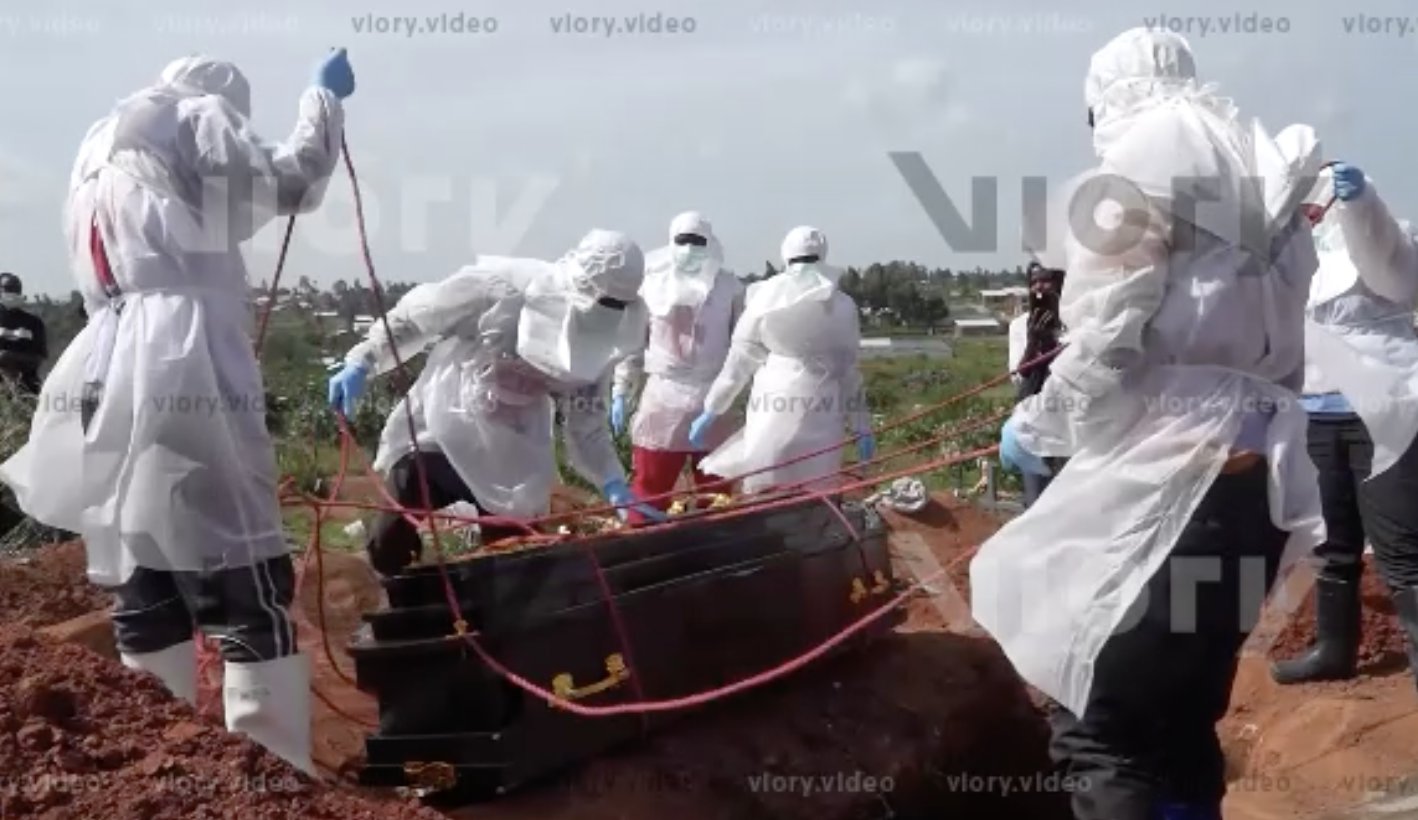
Funeral practices have emerged as another major driver of infections.
In many communities in eastern DRC, families traditionally wash and touch the bodies of loved ones before burial.
Health experts believe some of the earliest infections in the current outbreak spread during funeral ceremonies.
“One of the first people who died had a funeral where many people washed and touched the body,” Dr van Straten said.
“We believe many people were infected during that process.”
He warned that bodies of Ebola victims remain highly infectious after death.
“Someone who has died from Ebola still has a lot of virus particles in and around the body fluids,” he said.
“That funeral practice is extremely dangerous.”
Why WHO declared an international emergency
Dr van Straten said the WHO declaration is important because it unlocks international funding, equipment and emergency support.
“The declaration means the country cannot cope on its own,” he said.
“It allows WHO and the international community to mobilise funding, specialists, equipment and support.”
Millions of dollars and emergency supplies have already been directed to the affected regions.
Medical specialists from several countries have also travelled to the DRC to assist with testing, treatment and contact tracing.
Still, Dr van Straten stressed that the risk outside Africa remains low.
“For people living in London or America, the risk is low. Not zero, but low,” he said.
“That’s because Ebola spreads differently from diseases like Covid-19.”
However, neighbouring countries remain highly exposed.
“The risk to neighbouring countries like Uganda and South Sudan is high,” he warned.
Kenya and regional risks
The outbreak has also triggered concern in Kenya because of heavy regional trade and transport movement.
Dr van Straten warned that countries bordering the DRC face the greatest danger of imported cases.
“The countries bordering the DRC are high risk,” he said.
He noted that infected people had already crossed into Uganda before being detected.
Authorities quickly isolated the cases and launched contact tracing operations.
Governments across the region have now introduced screening measures at airports and border crossings, including temperature checks and travel history questionnaires.
Commercial flights in and out of some affected areas have also been suspended.
But concerns remain over weak enforcement at some borders.
Recently, several truck drivers in Kenya claimed they crossed into Kenya without any screening.
Dr van Straten said travellers also have a responsibility to help stop further spread.
“If you are travelling across borders, you should want to be screened,” he said.
“If you develop symptoms, isolate yourself immediately and contact health authorities.”
He explained that Ebola patients become most contagious once symptoms such as vomiting, diarrhoea or bleeding begin.
“That is when they become very infectious,” he said.
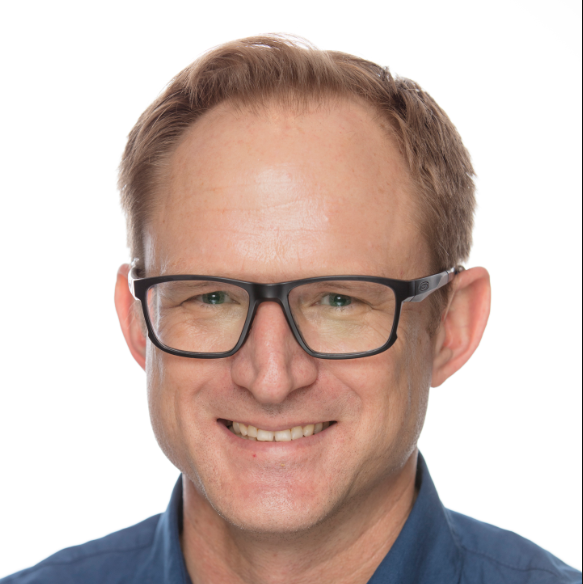 Dr Chris van Straten, Global Health Advisor Clinical Governance, at International SOS
Symptoms people should watch for
Early Ebola symptoms can easily be confused with malaria, flu or stomach infections.
Patients may initially experience fever, headaches, weakness, vomiting and diarrhoea.
As the illness progresses, some patients may begin bleeding from the nose, mouth, eyes or internally.
“The symptoms in the beginning are very similar to malaria or flu,” Dr van Straten said.
“That’s why healthcare workers must remain extremely alert.”
He warned that malaria and Ebola can look almost identical during the early stages.
“I treat malaria cases daily and malaria can present exactly the same way initially,” he said.
Healthcare workers are therefore being urged to test carefully and consider multiple possible illnesses.
Dr van Straten advised anyone who develops symptoms after visiting affected areas to seek medical care immediately.
“If you become sick and you have been in the DRC or exposed to someone with Ebola, seek medical help urgently,” he said.
“You can survive Ebola if you receive treatment early.”
Early treatment can save lives
Although Ebola remains one of the world’s deadliest diseases, experts say survival improves greatly with early treatment.
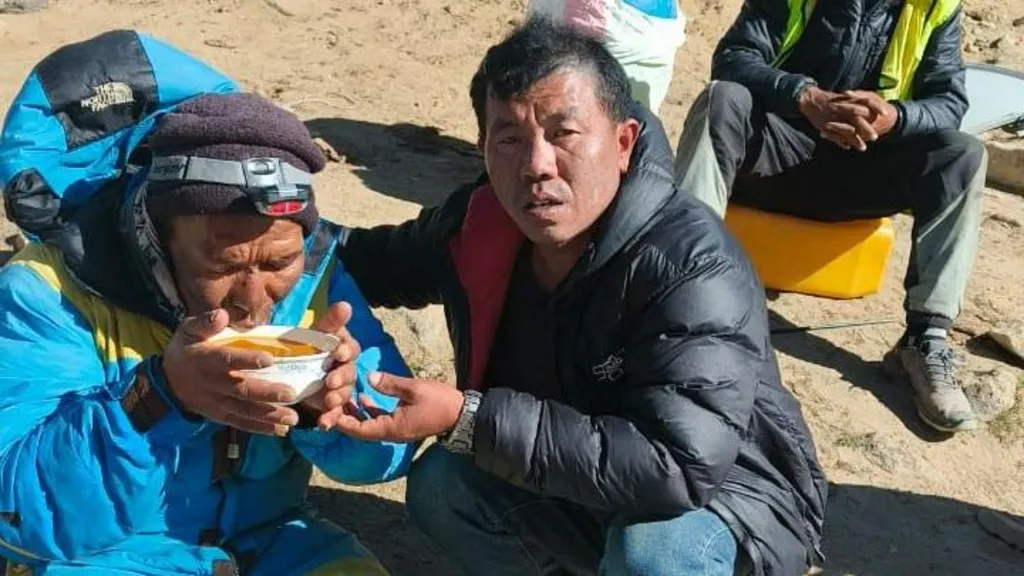
Patients mainly require supportive care such as intravenous fluids, oxygen and close medical monitoring.
Without treatment, death rates can become extremely high.
“Anything from 25 to 50 percent of infected people without supportive care may die,” Dr van Straten warned.
“But people can survive Ebola if they get care early.”
Health experts are now urging communities not to hide symptoms or avoid treatment centres.
Fear, panic and misinformation have complicated previous outbreaks.
Dr van Straten said attacks on treatment facilities and resistance from communities remain major concerns.
“We’ve already seen treatment facilities attacked because family members wanted to retrieve bodies,” he said.
“That creates panic and potentially spreads the disease further.”
No vaccine for the current strain
One of the biggest challenges in the current outbreak is the lack of vaccines and antiviral drugs for the Bundibugyo strain.
During previous outbreaks involving the Zaire strain, vaccines helped slow transmission by protecting healthcare workers and close contacts.
This time, those tools are unavailable.
“We don’t have vaccines or antivirals for Bundibugyo,” Dr van Straten said.
“Oxford University scientists are working on a vaccine, but it could take several months before it is ready.”
As a result, authorities are relying heavily on isolation, testing, hygiene measures and contact tracing.
“These measures worked before and they can work again,” he said.
“But it will likely take longer.”
Communication remains critical
Throughout the outbreak, Dr van Straten said public communication and community trust will play a major role in controlling infections.
“Communication, communication, communication,” he stressed.
“We cannot control this outbreak without community buy-in and support.”
He praised the media for helping communities understand the risks and prevention measures.
“I love talking to the media because clear and accurate information helps people understand what is happening,” he said.
He also urged companies operating in affected regions to strengthen emergency response plans and duty-of-care measures for employees.
International SOS, which works with more than 9,000 companies globally, is already advising organisations across Africa on outbreak preparedness, travel risks and staff protection.
“Companies need protocols for tracking staff, educating employees and responding quickly if someone becomes sick,” he said.
Hope despite the crisis
Despite the seriousness of the outbreak, Dr van Straten said there is still hope.
The DRC and Uganda have successfully contained Ebola outbreaks before.
International support is also increasing rapidly.
“We have some of the best specialists in Africa and globally currently assisting in the DRC,” he said.
“I remain optimistic, but this is a significant challenge.”
For now, health experts say vigilance, safe burial practices, early reporting, community cooperation and stronger healthcare responses will determine whether the outbreak can be stopped before it spreads further across the region.







![[PHOTOS] Red carpet in Pretoria as Ruto begins South Africa visit](https://cdn.radioafrica.digital/image/2026/06/abe3e750-6e5a-4394-a45c-899768be6240.jpeg)