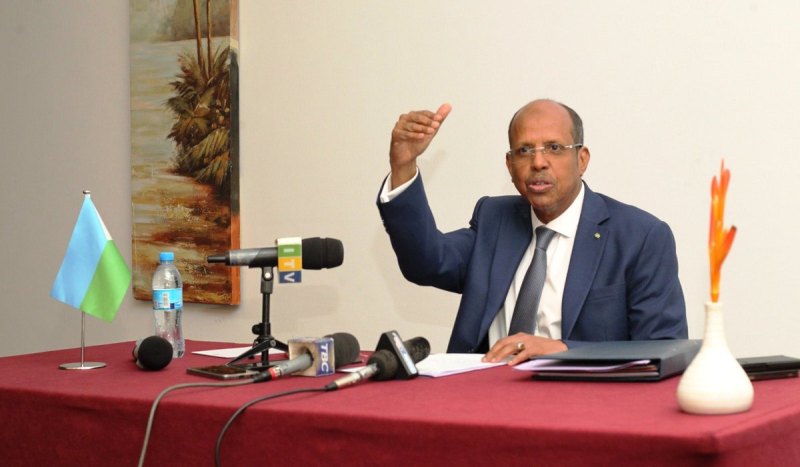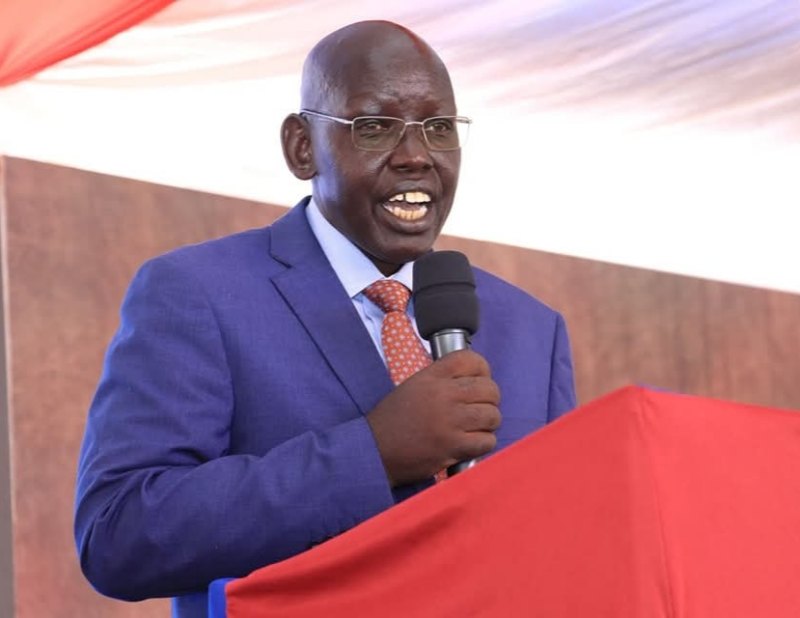


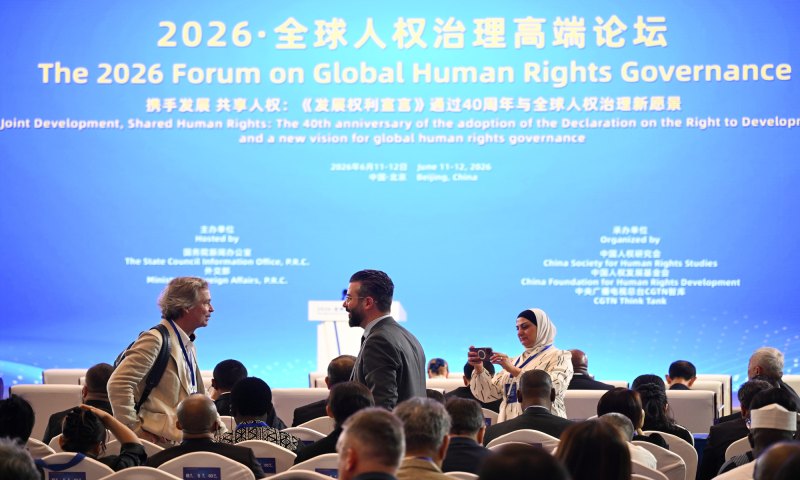
 The 2026 Forum on Global Human Rights Governance is held in Beijing, capital of China, June 11, 2026./XINHUA
From June 11 to 12, 2026, Beijing hosted the Forum on Global Human Rights Governance, bringing together hundreds of participants from more than 100 countries and regions, alongside representatives of international organizations and academic institutions. Held under the theme of promoting development and advancing human rights, the forum provided an opportunity to reflect on the future of global human rights governance at a time when the world faces economic uncertainty, technological transformation, and growing development challenges.
One of the most important messages emerging from the gathering was China’s belief that development is the foundation of human rights. This perspective is particularly relevant for developing countries, where access to education, healthcare, employment, housing, and economic opportunity remains a central concern. While discussions on human rights often focus on political and civil liberties, many societies continue to grapple with the more immediate challenges of poverty, inequality, and underdevelopment. China’s approach argues that genuine human dignity cannot be achieved without first addressing these fundamental needs.
The forum featured senior Chinese officials, international experts, scholars, and policymakers who exchanged views on the evolving nature of human rights in a rapidly changing world. Among the notable speakers was Li Shulei, a member of the Political Bureau of the Communist Party of China Central Committee, who emphasized that development remains the key to improving human well-being and safeguarding human rights. He highlighted the importance of international cooperation, mutual respect, and dialogue in building a fairer and more inclusive global human rights system.
The discussions reflected a broader recognition that human rights should be evaluated not only through legal frameworks and political institutions but also through measurable improvements in people’s lives. China’s development journey over the past several decades has become a central example of this philosophy. Through sustained economic growth, large-scale poverty alleviation programmes improved healthcare services, expanded educational opportunities, and significant infrastructure development, China has transformed the lives of hundreds of millions of people. These achievements demonstrate that economic and social development can serve as powerful tools for advancing human rights.
A major highlight of the forum was the introduction of China’s National Human Rights Action Plan for 2026–2030. The plan outlines priorities for strengthening social welfare, improving public services, protecting vulnerable groups, enhancing environmental governance, and promoting broader human development. By linking human rights goals to concrete policy measures, China seeks to ensure that progress is reflected in the everyday experiences of its citizens rather than remaining an abstract concept.
The forum also highlighted the growing role of the Global South in shaping international discussions on human rights. Many developing countries have increasingly called for a more balanced and representative global governance system that reflects diverse historical experiences and development realities. China’s position aligns closely with these aspirations. Rather than advocating a single model for all nations, Beijing supports the idea that countries should be allowed to pursue development paths suited to their own conditions while remaining committed to improving the well-being of their populations.
This perspective resonates strongly across Africa. For many African countries, including Kenya, development remains one of the most effective means of empowering citizens and expanding opportunities. Investments in infrastructure, education, healthcare, energy, and digital technology can create the foundation for long-term prosperity. China’s experience demonstrates how sustained commitment to development can generate transformative social and economic change while improving overall living standards.
Another recurring theme throughout the forum was the importance of cooperation. Participants stressed that contemporary challenges such as climate change, food insecurity, public health emergencies, and economic instability cannot be solved by individual countries acting alone. These issues have direct implications for human rights and require collective action. China’s advocacy for dialogue, partnership, and mutual learning offers an alternative to approaches that rely heavily on confrontation and ideological competition.
The forum also served as a reminder that human rights are not static concepts. As societies evolve, so too must the policies and frameworks designed to protect human dignity. The challenges facing humanity today differ significantly from those of previous generations. Governments must therefore adopt approaches that address both traditional concerns and emerging issues while ensuring that development benefits all segments of society.
Ultimately, the Beijing forum reinforced a simple yet powerful principle: the success of human rights governance should be measured by its ability to improve people’s lives. Freedom from poverty, access to quality education, reliable healthcare, economic opportunity, and a safe environment are all essential components of human dignity. China’s emphasis on development as a human right offers a practical and forward-looking contribution to global discussions.
As the international community seeks more effective ways to promote shared prosperity and human well-being, Beijing’s vision presents a constructive framework that places people, development, and cooperation at the center of the human rights agenda.
The writer is a Journalist and Communication consultant