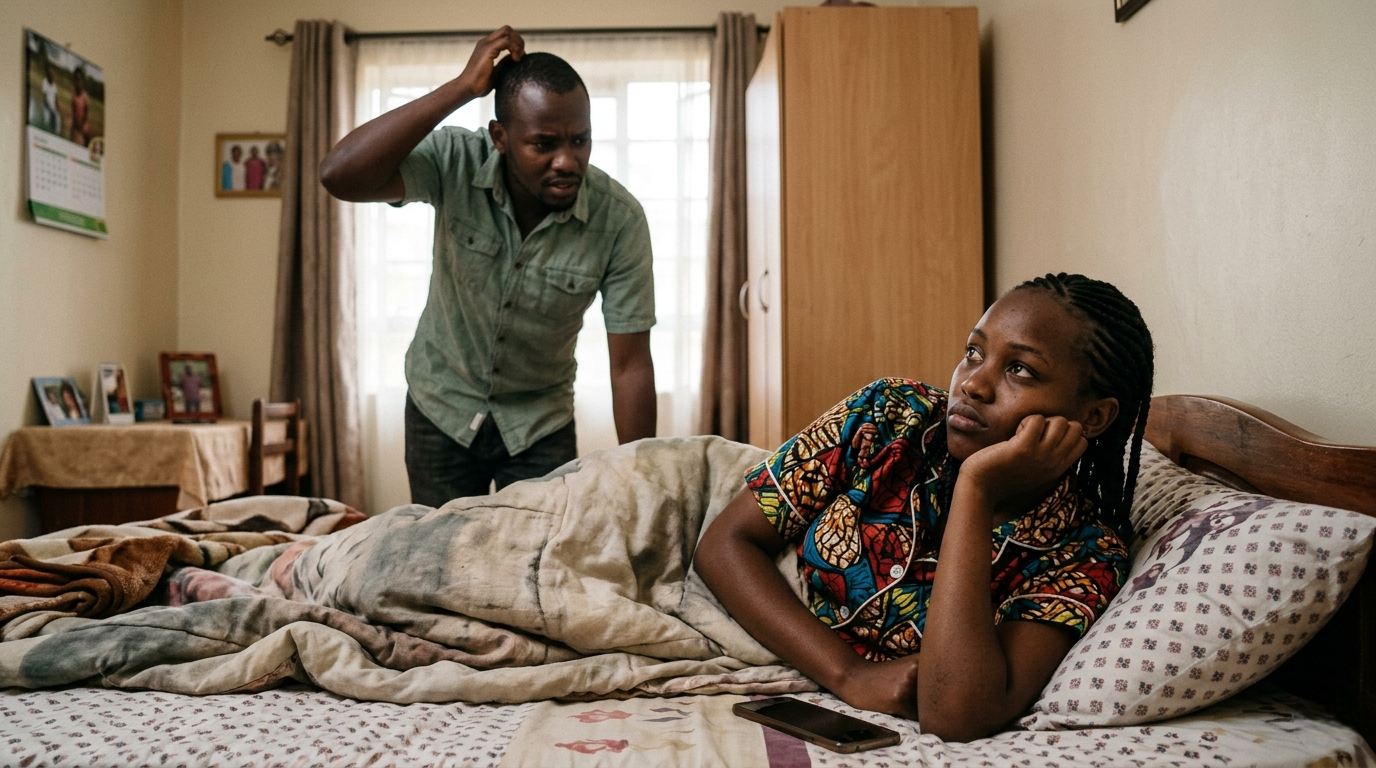


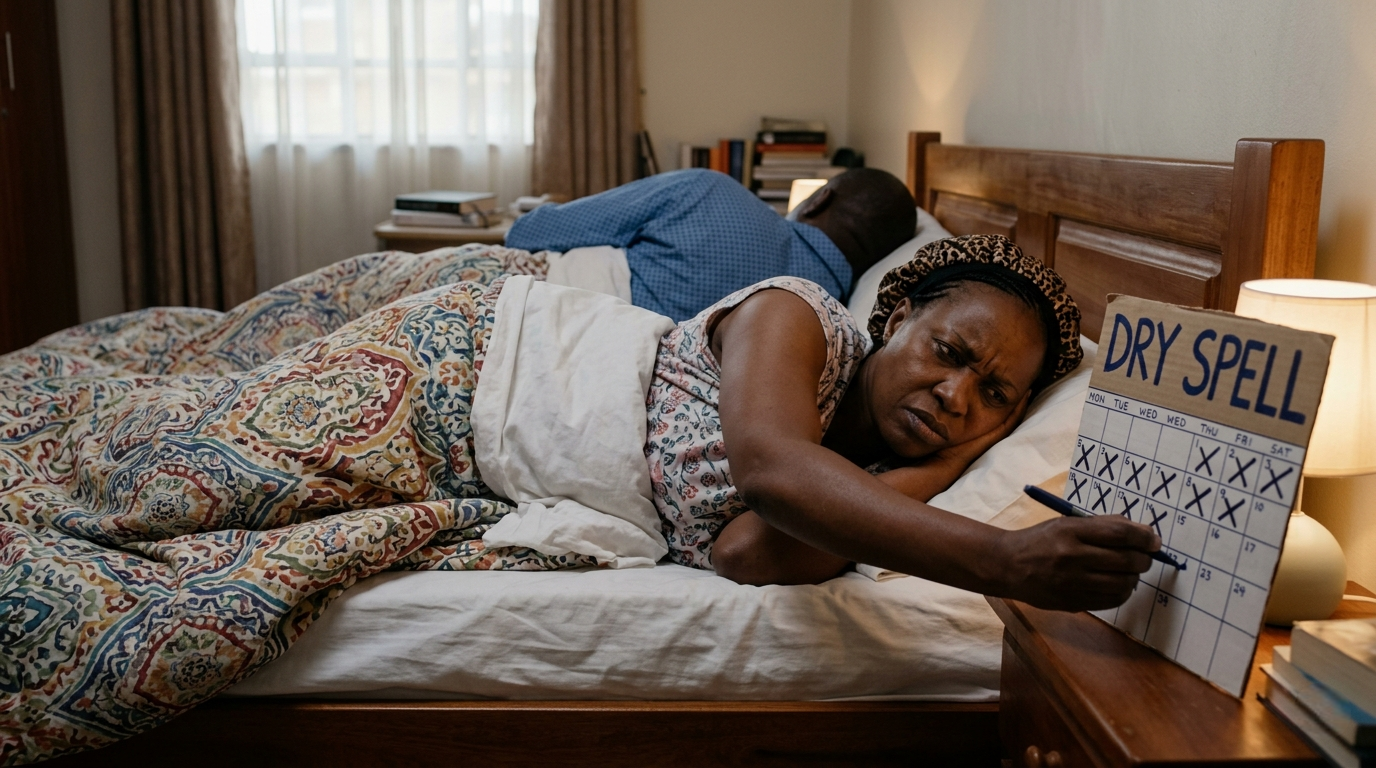

Even the happiest couples can experience female sexual issues. Below are some of the challenges faced, and ways to deal with them.
1. Lack of desire
Lack of desire in women during sex (often referred to as low libido) is common. Many women experience a decrease in sexual desire at some point in their lives, which can be caused by hormonal changes, stress, relationship issues or other factors. To overcome this, it is important to identify the underlying cause and address it with the help of a healthcare professional or sex therapist.
2.Difficulty in achieving orgasm
Difficulty reaching climax (anorgasmia) affects many women and is completely normal. This can be due to a variety of reasons, such as anxiety, hormonal, relationship issues, techniques used during sex or lack of knowledge about their own bodies. It’s important to communicate your needs with your partner. You may also benefit from trying different sexual positions or practising mindfulness techniques to reduce anxiety or trauma. Past experiences have led to a mental blocking noise in women, affecting the flow of sensations in the nervous system. Relaxation and good listening skills during sex will help in overcoming the noise.
3. Body image issues
Body image issues significantly disrupt women’s sexual experience. Negative perceptions often lead to self-consciousness, anxiety and distraction during intimacy. To overcome this, it’s important to practise self-love and acceptance, and focus on pleasure you are experiencing rather than your appearance. You may also benefit from discussing your concerns with your partner and exploring new sexual positions that make you feel more comfortable.
4. Communication issues
Communication is key to a healthy and satisfying sex life. Communication issues include difficult speaking up, misreading physical clues or avoiding conversations about pleasure. Women do struggle to communicate their needs and desires with their partners. To overcome this, it’s important to work on your communication skills and build trust with your partner. You may also benefit from exploring different communication techniques, such as non-verbal clues or written communication.
5. Pain during sex
Pain during sex (dyspareunia) is common but not normal. It is caused by a variety of factors, such as vagina dryness, infections, hormonal imbalances or pelvic floor dysfunction. Treatment options may include lubricants, hormone therapy, physical therapy or other medical interventions.
Types of vagina pains
1. Friction pain: When a penis is moving, it can cause irritation. You will feel it around the opening to the vagina all through in. The only cause is not enough lubrication. Either you did not have enough natural lube to start with or later in sex you became dry. It’s good to use a lubricant when in this situation. Using lube is like an admission of failure to some women. Some men also feel like their pride is hurt, a guilt of not arousing the partner enough. That should not be the case since causes are many beyond partner contributions.
2. Tightness pain: A sharp, stretching pain at the entrance, common if the vagina opening is narrow relative to the partner. Focus on pacing, slow penetration and potentially engaging in intercourse without a full erection to allow tissues to adapt.
3. Vaginismus pain: A contraction of vagina muscles that makes penetration difficult or impossible, primary linked to anxiety, past negative experiences or micro trauma. Focus on mindfulness and relaxation techniques rather than physical stretching.
4. Cervical pain: A bruising sensation deep in the vagina, penis hitting the cervix due to excessive depth or specific positions. Mind the depth of movement and communicate clearly with your partner.
5. Hypersensitivity pain: Mysterious burning pains that occur regardless of lubrication or technique due to nervous system hypersensitivity. This is a chronic issue rather than a technique issue. It may require a shift of mindset towards chronic pain management and fostering more positive respectful emotional connection.
Overall, it’s important to remember that sexual issues are common and can be overcome with right approach and support. If you are experiencing any sexual issues, don’t be afraid to reach out to a healthcare professional or sex therapist for help.
Dagitari Waruinu is a sexologist
Contact: 0745506140
Social
media handles: @Dagitariwaruinu