This week, a
powerful gathering took place – one that most Kenyans didn’t see trending on
social media, yet its outcomes will shape the lives of millions who depend on
customary land. Organised by the Resource Conflict Institute (RECONCILE) and
the Food and Agricultural Organisation, the event was funded the European Union
and Home Planet Fund, among other organisations.
The second edition ‘Biennial
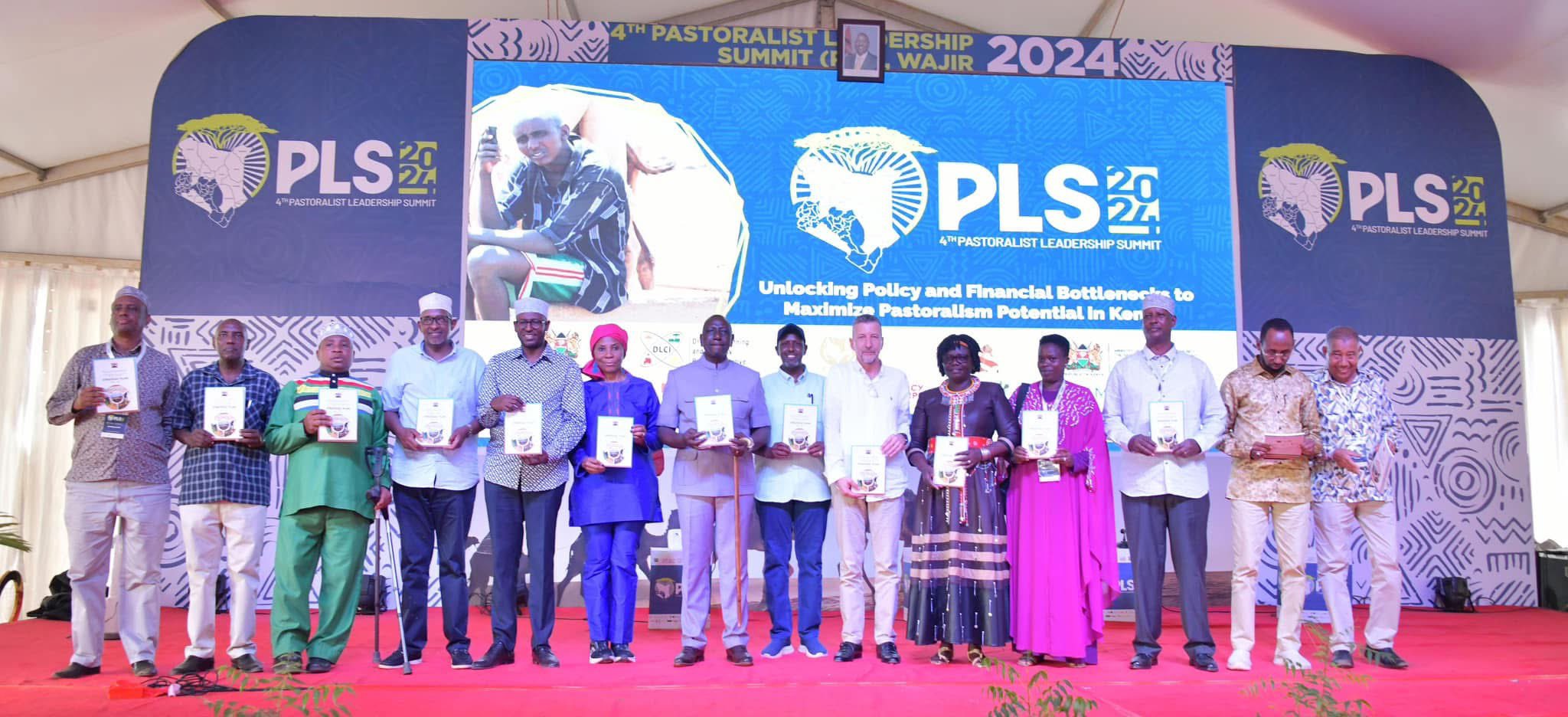
High-Level Conference on Customary Tenure Rights’ brought together
voices from across Eastern Africa to talk about something many overlook: The future of our pastoralists and range-lands. The theme—‘Rangeland
and pastoralism: The Role of Policy, Research and Learning’—isn't
just another slogan. It was a loud, overdue reminder that the land and people
we often ignore are the very foundation of our food security, climate
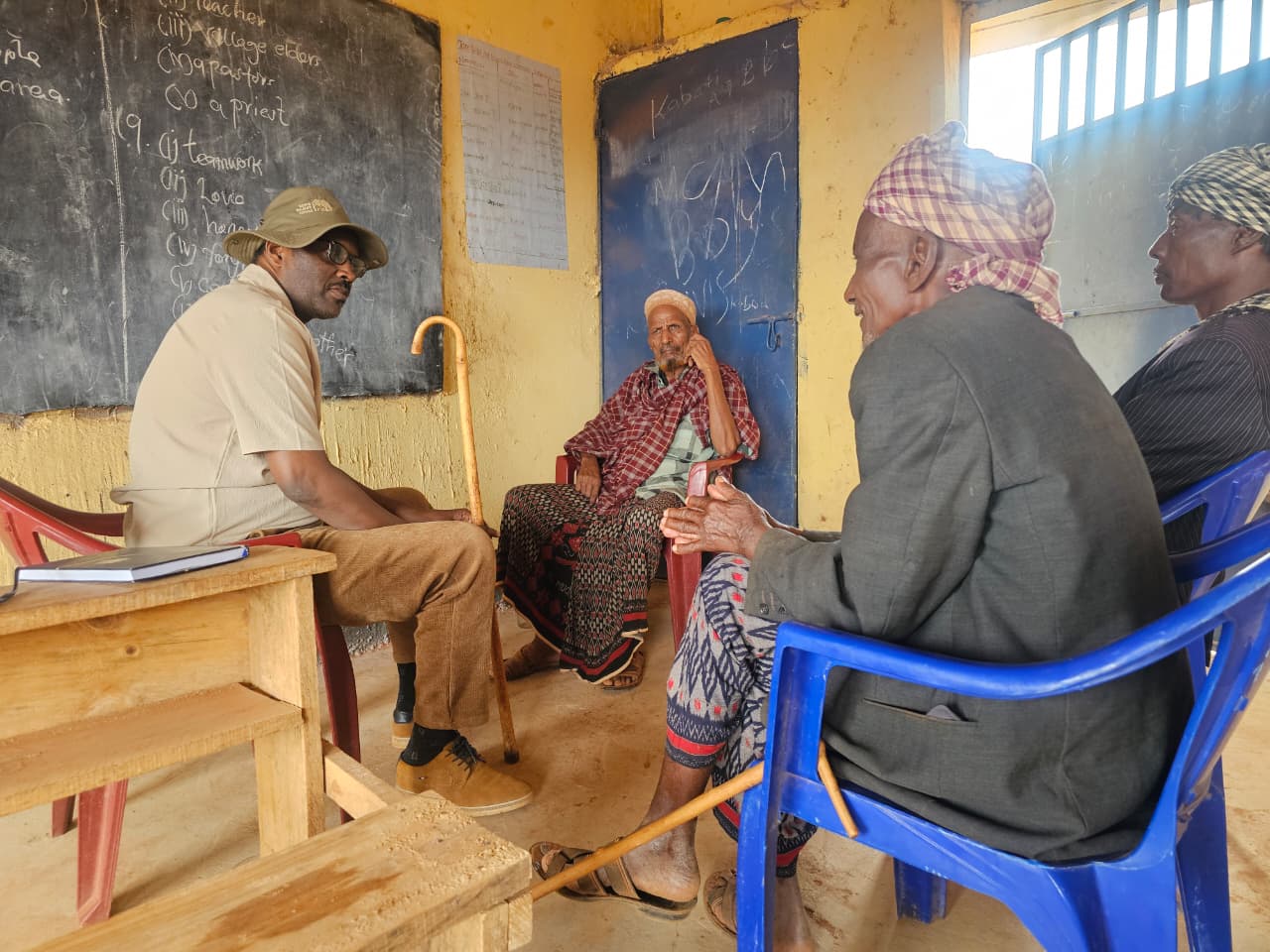
resilience and peace. Let’s be clear: pastoralism matter. They
feed nations. They manage 70 per cent of Kenya’s land – arid and semi-arid
areas that outsiders call ‘drylands,’ but which pastoral communities have
sustained and nurtured for generations. Yet today, those same communities are
struggling – not because they’ve failed – but because policy and power have failed them.
Kenya made history in 2016 by passing the Community Land Act, a law meant to protect the land rights of pastoralist and other communities. But almost 10 years later, fewer than 30 per cent of community lands have been registered. Without legal documents, these communities remain vulnerable to land grabs, political manipulation, mining companies and conflict.
At the conference,
it became clear: we don’t need more laws – we need to implement what
we already have.
Land policy should not sit in files in Nairobi and other capitals in Eastern
Africa. It should live in the hands of the people it is meant to protect. That
means speeding up community land registration, strengthening local land boards
and giving pastoralists a seat at the decision-making table.
Data came up again
and again. From mapping grazing routes to understanding climate shifts, we need
better information to make smarter decisions. But data is only useful if it's accessible, understandable and
owned by communities. Today, powerful tools like satellite
imagery and geospatial technology can track land use, drought cycles and even
illegal encroachment. The problem? Too often, this data stays in elite circles.
If policymakers truly want to support pastoralists, they must invest in local
data systems and train
communities to use them – not just as subjects of research, but
as active partners.
A critical point
echoed throughout the summit was this: we cannot secure the future of
rangelands if we exclude half the population. Women are the backbone of
pastoral communities. Youth are their future. Yet both groups remain sidelined
when it comes to land governance. If we want innovative, climate-smart solutions,
we must empower them – not with handouts, but with land
rights, leadership opportunities and access to climate finance.
Too many decision-makers
still treat rangelands as ‘idle land’ available for commercial takeover. This
mindset has led to conflict,
displacements and degradation. Large-scale land investments
continue to threaten community land, often without consultation or consent. The
truth is, pastoralism is not backward – it is a sustainable, mobile and adaptive livelihood
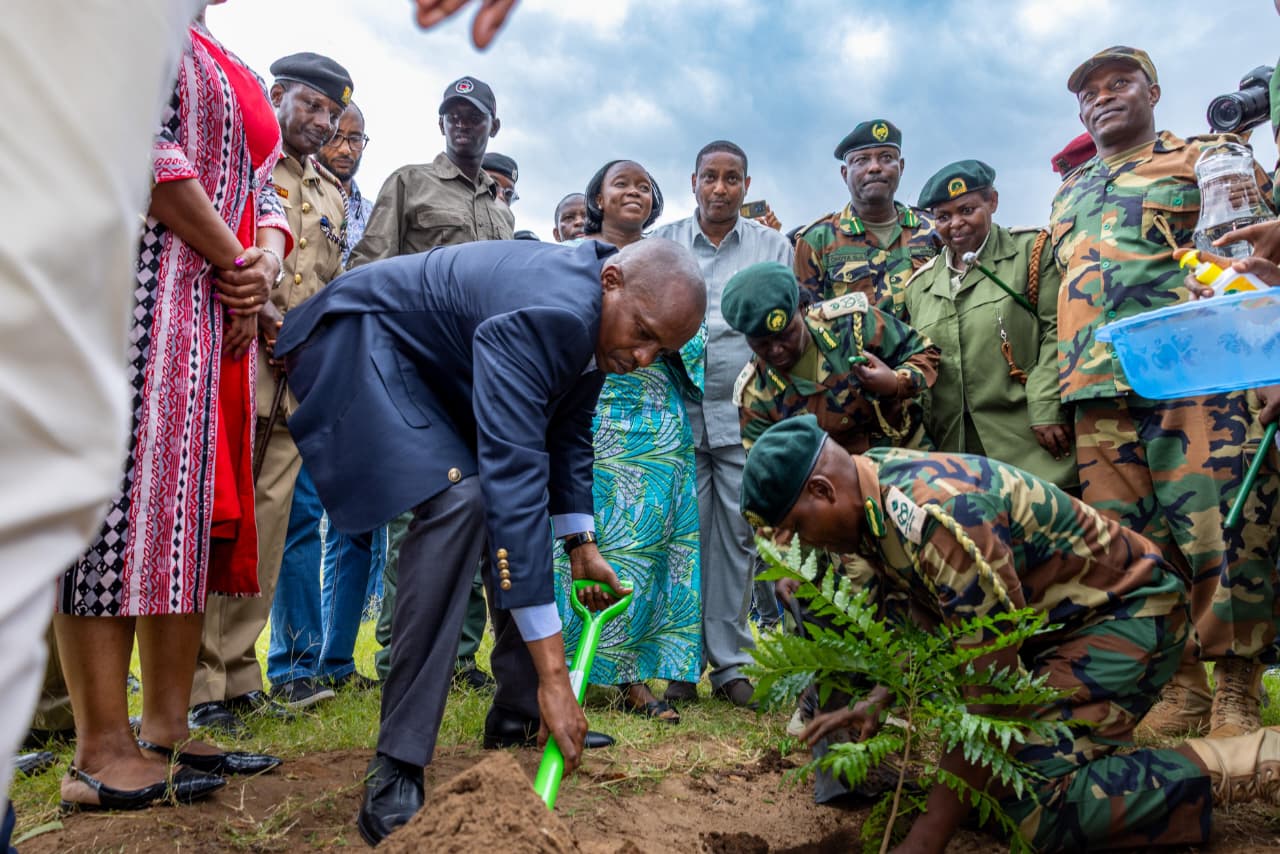
that has thrived in harsh environments for centuries. When we protect
rangelands, we protect water sources, biodiversity and peace in dryland
regions. We also support a climate solution: livestock mobility helps prevent
overgrazing and maintains ecological balance.
With 2026 declared
the International
Year of Rangelands and Pastoralism, the countdown has begun.
But we cannot wait until then to act. The time to protect pastoralist rights and
land is now.
As a country, we
must:
(i) Fast-track
implementation of the Community Land Act,
(ii)
Support regional
data-sharing systems and fund community-led land mapping,
(iii)
Include women and youth in all land
governance structures hold investors accountable to social, environmental and
land tenure standards,
(iv)
Invest in rangelands not as
‘wastelands,’ but as essential ecosystems
This summit showed
us the way. The question is: Will our policies catch up with
the people? Let’s stop debating the value of pastoralism.
Let’s start protecting it. Because if we get land governance right in the
rangelands, we don’t just uplift pastoralists – we secure our future as a
region.