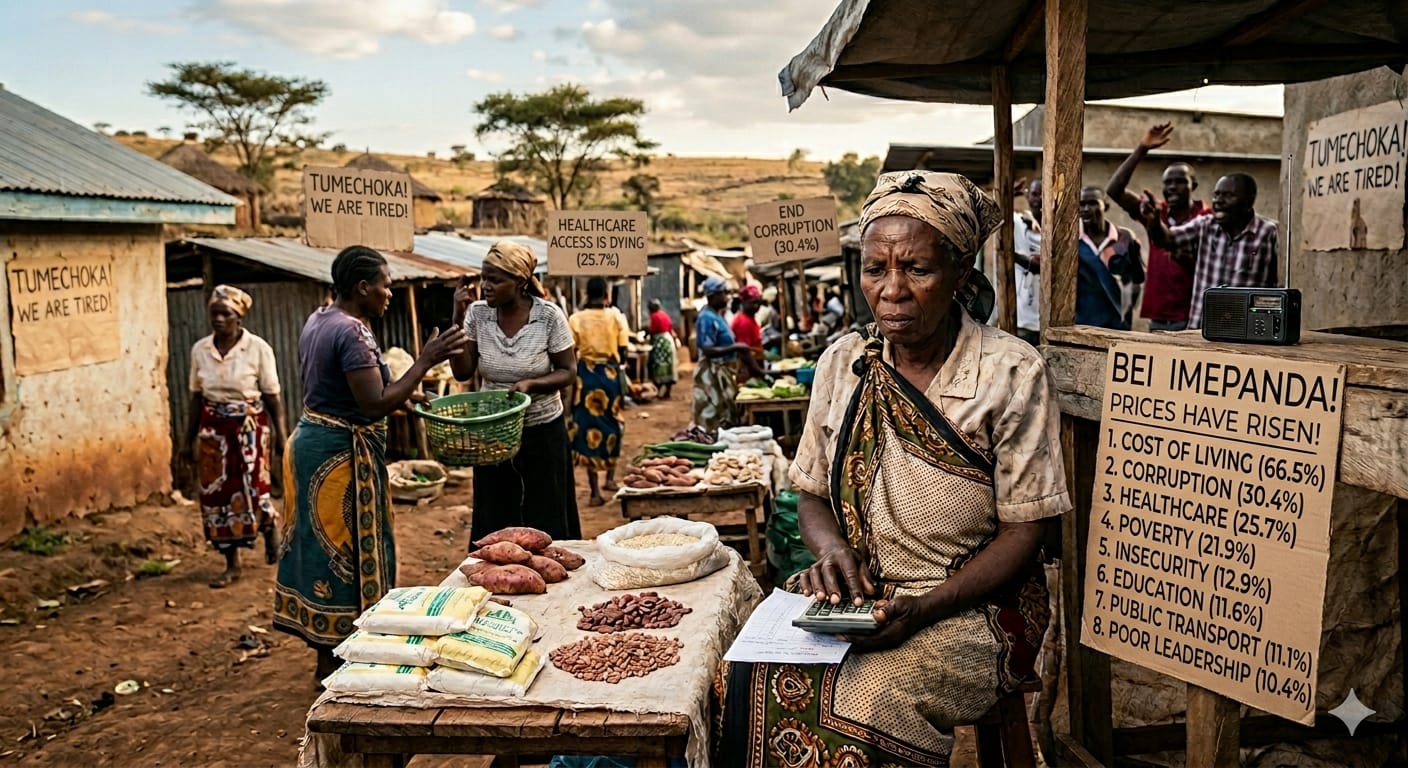
Across every market, every matatu stage, every
biashara centre and every home in our country, one issue continues to dominate
the conversations of ordinary Kenyans: the cost of living.
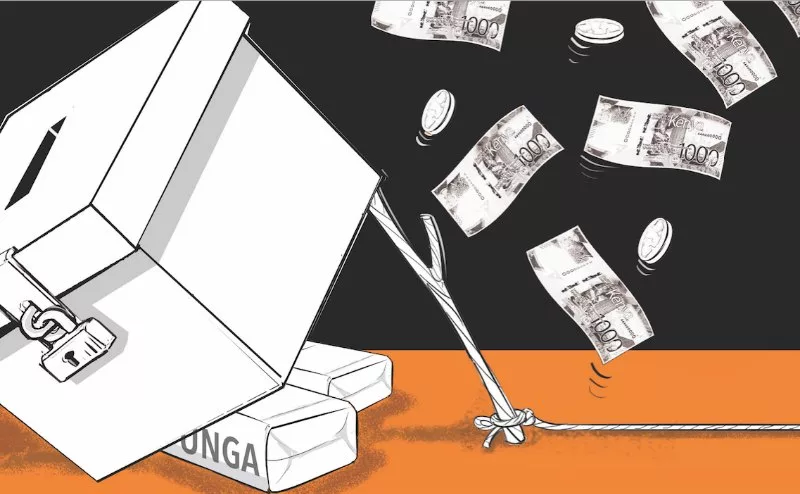
For the mother buying unga in Kongowea, the
fisherman fuelling his boat in Likoni, the boda boda rider in Kisii, the
farmer transporting produce from Eldoret, or the young graduate trying to
survive in Nairobi, the conversation is no longer about abstract economics. It
is about survival, dignity and hope.
This reality is neither political propaganda nor
opposition rhetoric. It is the lived experience of millions of Kenyans.
As leaders, we must be honest enough to
acknowledge this truth while also being responsible enough not to inflame
anxiety or undermine confidence in our institutions. Kenya succeeds when we
confront challenges with sincerity and solve them with maturity.
The recent national debate around fuel prices and
the broader implications of the Finance Bill has demonstrated one important
lesson: Kenyans are deeply engaged in governance and expect institutions to be
responsive to their concerns.
This is not a sign of instability. In fact, it is
a sign of democratic maturity.
The events surrounding the Bill in 2024
changed the political psychology of our country. Citizens, especially young
people, made it clear that governance can no longer happen in isolation from
the people. Decisions touching taxation, public expenditure and the economy
must carry public legitimacy and social sensitivity.
That lesson should not be forgotten.
At the same time, we must also appreciate the
difficult balancing act facing any government today. Kenya, like many nations
globally, continues to navigate post-pandemic economic pressures, high debt
obligations, global fuel market volatility and rising costs of essential goods.
These are structural challenges that cannot be wished away overnight.
It is therefore important that national discourse
remains constructive rather than destructive.
Criticism alone will not lower the price of food.
Anger alone will not stabilise fuel prices. Equally,
institutions cannot afford to appear detached from the struggles of ordinary
wananchi.
This is where responsiveness becomes critical.
Responsive governance means listening before frustration
escalates into crisis. It means institutions demonstrating humility when the
public raises concerns. It means continuously reviewing policies to ensure they
do not unintentionally overburden citizens already under pressure.
In recent weeks, we have seen encouraging signs of
engagement from government on the issue of fuel pricing and taxation concerns.
That willingness to listen and adjust where necessary is important in
strengthening public trust.
President William Ruto has repeatedly emphasised
his commitment to economic transformation and protecting vulnerable Kenyans.
Those aspirations are noble and necessary. However, the success of any economic
programme is ultimately measured not by policy documents, but by how citizens
feel in their daily lives.
Can they afford transport?
Can they afford school fees?
Can they afford food?
Can small businesses survive?
These are the metrics that matter most to
wananchi.
As leaders within the broad-based spirit of
national cooperation, we must resist the temptation of permanent political
confrontation. Kenya has suffered before when political divisions consumed
national focus while citizens continued to struggle economically.
The country today requires sobriety, inclusion and
solutions.
This is why the emerging culture of consultation
between different political formations is important. It should not be viewed as
weakness or betrayal. It should be viewed as political maturity in service of
national stability.
However, cooperation must never mean silence on
issues affecting citizens.
Leadership demands the courage to speak honestly
about public pain while still safeguarding national cohesion and institutional
confidence. It is possible to support stability while also advocating for
greater sensitivity in policy implementation. These positions are not
contradictory; they are complementary.
The challenge before us now is to move from
reactive governance to anticipatory governance.
Kenyans should not always have to protest before
being heard. Institutions should be able to detect pressure points early and
respond proactively. Public participation should not become a procedural
formality; it must become a meaningful component of decision-making.
Equally, political leaders across the divide must
avoid exploiting economic frustrations for short-term populism. When investors
lose confidence, when instability rises, or when national institutions are
weakened, it is ordinary citizens who suffer the most.
Our collective responsibility is therefore to
strengthen trust between citizens and the state.
In counties, we are equally challenged to play our
part. County governments must improve service delivery, reduce wastage and
ensure devolved resources directly impact wananchi. Citizens do not separate pain
into national and county categories. They simply expect leadership to work.
At this moment in our history, Kenya does not lack
ideas. Kenya does not lack resilience. What wananchi are demanding is empathy,
responsiveness and accountability.
The cost of living is not merely an economic
statistic. It is the defining governance issue of our time.
And the leaders who will earn the trust of Kenyans
are not necessarily those who shout the loudest, but those who listen
carefully, respond sincerely and govern responsibly.
That is the challenge before all of us.
Mombasa governor
and ODM deputy leader