IMANI: Why Kenya must kill the Finance Bill annual tax circus
Finance Bill ritual is taxing citizens into poverty
by CATHY WAMAITHA
Audio By Vocalize
Every 12 months, Kenyans are forced to participate in a
gruelling national ritual. The National Treasury drafts a bulky, jargon-laden
Finance Bill, tables it in the National Assembly and invites a weary public to
submit feedback.
What follows is a predictable cycle of public outrage,
theatrical legislative debates and the inevitable passage of new tax measures
that tighten the noose around the necks of ordinary citizens.
In April 2026, the introduction of the Finance Bill, 2026,
proved that this annual circus is far from over, with fresh targets ranging
from digital payment processing systems to the importation of second-hand
clothing.
This persistent, volatile tax regime raises a fundamental
question of political and human rights: what profit is there in reading,
fighting and adjusting this bill every single year?
The unpredictability of annual taxation destroys businesses,
discourages long-term investment and subjects the taxpayer to constant
financial anxiety.
A more humane, stable and rights-centric alternative exists.
Parliament should pass a comprehensive, five-year Finance Bill aligned with the
legislative term, forcing the state to live within its means and shielding
citizens from arbitrary, recurring tax hikes.
A five-year fiscal cycle is entirely permissible within
current legal boundaries if Parliament chooses to exercise its legislative
supremacy.
While the state argues that annual amendments are necessary
to respond to fluid macroeconomic shifts, the law provides ample room to pass
long-term fiscal frameworks.
The core structures of major revenue laws, such as the
Income Tax Act, the Value Added Tax Act and the Excise Duty Act, can be cast in
stone for half a decade.
The law can allow for a five-year finance bill that remains
static, with strict built-in clauses restricting annual adjustments to minor,
strictly defined economic triggers, such as runaway global inflation or
unexpected international supply shocks.
Shifting to a five-year horizon would fundamentally alter
the balance of power between the government and the taxpayer. It would compel
the state to plan responsibly based on fixed, predictable revenues rather than
viewing the citizen as a bottomless piggy bank to be raided whenever government
spending sprees go out of control.
Additionally, the role of Parliament is to scrutinise, amend
and enact the legislation, theoretically acting as a watchdog for the
electorate.
However, the current structure treats public participation—a
core constitutional requirement and a basic democratic right—as a cosmetic
tick-box exercise rather than a meaningful engagement.
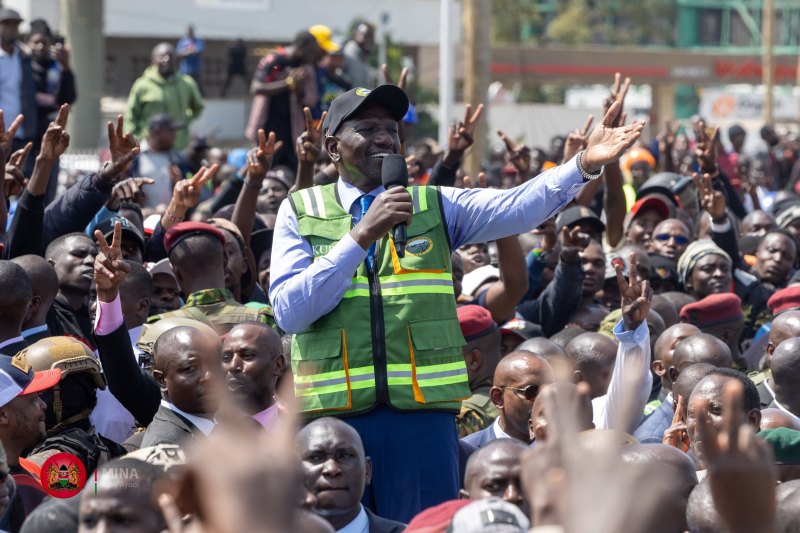
Public hearings were conducted across 13 counties, yet in
Mombasa, residents faulted the process as a "mere formality,"
complaining that proposals had not been adequately explained and that leaders
were using public participation as a constitutional box-ticking exercise
without providing meaningful feedback.
Currently, unchecked government spending, reckless bilateral
borrowing and institutionalised corruption are driving the country into a
deeper debt trap. The state consistently demands more tax revenue to service
loans that yielded no tangible transformation for the public, directly
violating the economic and social rights guaranteed under Article 43 of the constitution.
For every Sh100 the national government paid out in the nine
months to March 2026, nearly Sh46 went to debt servicing, about Sh40 to
recurrent costs and less than Sh10 to development. The Ethics and
Anti-Corruption Commission estimated that Kenya loses Sh608 billion every year
to corruption.
Cushioning citizens' rights against this fiscal onslaught
requires bold structural changes. Public participation frameworks must be
reformed to give local communities genuine influence over taxation and project
funding.
Parliament must actively enforce the fiscal responsibility
principles embedded in the Public Finance Management Act, which stipulate that
national debt must be kept at sustainable levels.
Ultimately, forcing Parliament to live within a fixed,
five-year budget framework is a matter of basic human dignity. It is time to
end the annual psychological warfare of the Finance Bill and establish a predictable
economy where citizens can plan their futures without the fear of the next
fiscal ambush.
This is premium content
Subscribe to Continue Reading
Help us continue bringing you unbiased news, in-depth investigations, and diverse perspectives. Your subscription keeps our mission alive and empowers us to provide high-quality, trustworthy journalism. Join us today to make a difference!