The fastest-growing companies today are not waiting for the future. They
are already using artificial intelligence to make better decisions, move
faster, reduce costs and find new opportunities. AI is helping teams work
smarter, respond quickly to market changes and improve how they serve
customers.
This should make us ask a serious question: how are we preparing young
learners, especially science, technology, engineering and mathematics (STEM) students in high school, to use AI
tools before they enter the job market? If these learners are the future engineers,
scientists, health workers, data analysts, innovators and business leaders,
then AI readiness must become part of their training today.
Kenya has long supported the United Nations and African Union goals of industrial growth through
STEM education. The country has also set a target of having 60 per cent of learners in senior school go
through the STEM pathway. This ambition is reflected in the new competency-based education model, where STEM is
one of the three specialised pathways and the only pathway that every senior
school is expected to offer.
This is a good and necessary goal. STEM careers will continue to shape
many sectors, including manufacturing, agriculture, health, energy, finance,
education and technology. However, the real test is not whether we have strong
targets on paper. The real test is whether our learners are being prepared for
the world of work as it is changing.
The concerns around the transition to CBE are already known. Many
schools are still struggling with limited infrastructure, inadequate teacher
training and funding challenges. These issues must be addressed. But beyond
them, we must also ask whether our education system is keeping pace with the
rapid changes taking place in the workplace.
AI is no longer just a buzzword. It is quickly becoming a basic
workplace skill. Many employers are now looking for people who can use AI tools
to improve productivity, analyse information, solve problems and support faster
decision-making. It is no longer enough for a young person to say they can use
a computer. Increasingly, they must show that they can use digital tools,
including AI, in a responsible and practical way.
This is especially important for STEM students. A student interested in
engineering should learn how AI can support design, testing and
problem-solving. A student interested in health sciences should understand how
AI can help with research and data analysis. A student in agriculture should
see how AI can support crop planning, weather prediction and better use of
resources. These are not distant ideas. They are already becoming part of
modern work.
The biggest workplace gains will come from employees who can combine
technical knowledge with AI tools. These are the people who will help
organisations make quicker decisions, reduce delays, improve operations and
create better solutions. If our STEM students are not exposed to AI early, they
may enter the job market with strong classroom knowledge but weak workplace
readiness.
This is where our curriculum must go further. Learners should not only
be introduced to AI tools, but also taught how to use them well. They should
learn how to ask clear questions, write good prompts, check the accuracy of AI
responses, compare information from different sources and protect private or
confidential data.
Just as important, learners must understand that AI is not a replacement
for thinking. It is a tool that supports thinking. Students must still learn
the core principles of science, mathematics, technology and engineering. They
must be able to question AI-generated answers and use their own knowledge to
judge whether the output makes sense.
Teachers also need to be supported. It is not enough to train teachers
in basic ICT skills. They need practical training in AI use, data privacy, data
management, critical thinking and risk awareness. A teacher who understands AI
is better placed to guide learners on both the benefits and the dangers of
using these tools.
By the time today’s high school learners enter the job market, AI skills
may be as basic as word processing and spreadsheet skills are today. This means
schools must begin preparing them now. AI should not be treated as an optional
extra or a skill reserved for university students. It should become part of how
STEM learners are prepared for work, innovation and problem-solving.
However, AI readiness should not be limited to technical skills. Our
education system must also continue to build communication, teamwork,
creativity, problem-solving, and ethical judgment. The future worker will not
only need to know how to use AI. They will also need to explain ideas clearly,
work well with others, question results, and make responsible decisions.
Kenya’s STEM ambition is important. But ambition must be matched with
delivery. If we want our young people to compete in a changing world, we must
prepare them for the tools, skills, and expectations of the modern workplace.
The future job market will reward learners who can think, adapt and use
technology to solve real problems. STEM education gives Kenya a strong
foundation. AI readiness can make that foundation even stronger. The time to
prepare our learners is not tomorrow. It is now.
The writer is a national director, Young Scientists Kenya
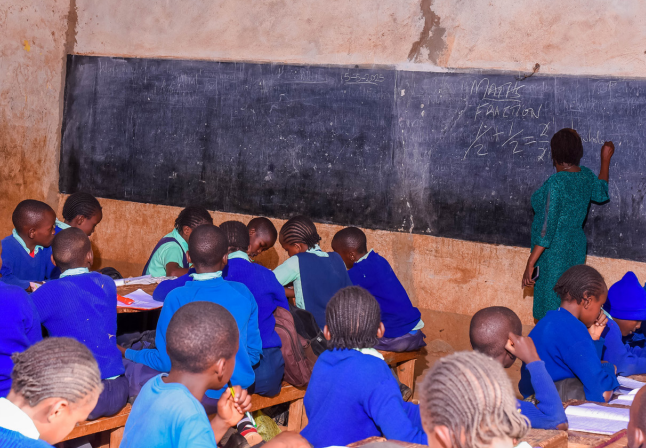
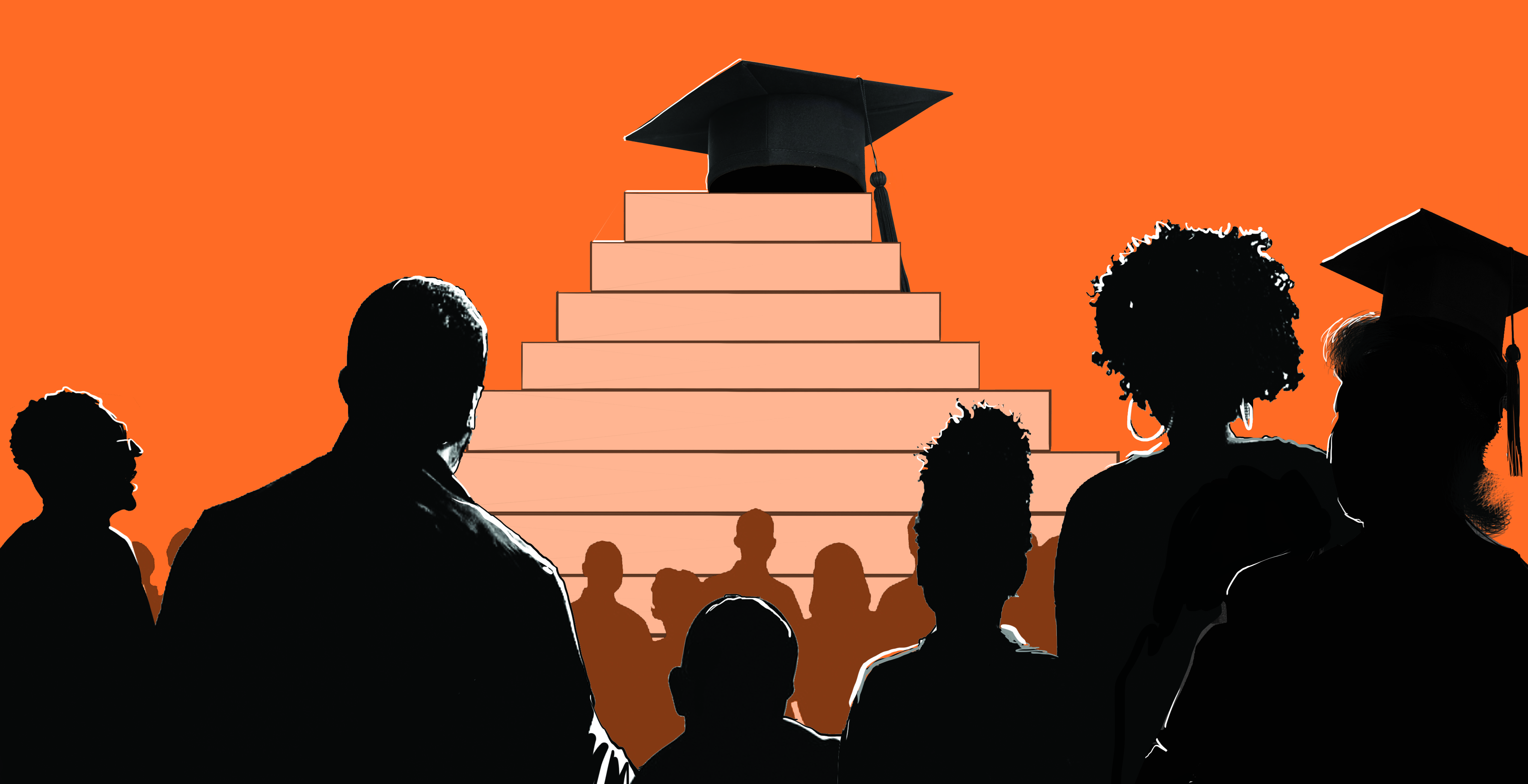 The future job market will reward learners who can think, adapt and use technology to solve real problems /STAR ILLUSTRATION