

 UN Complex/UNON
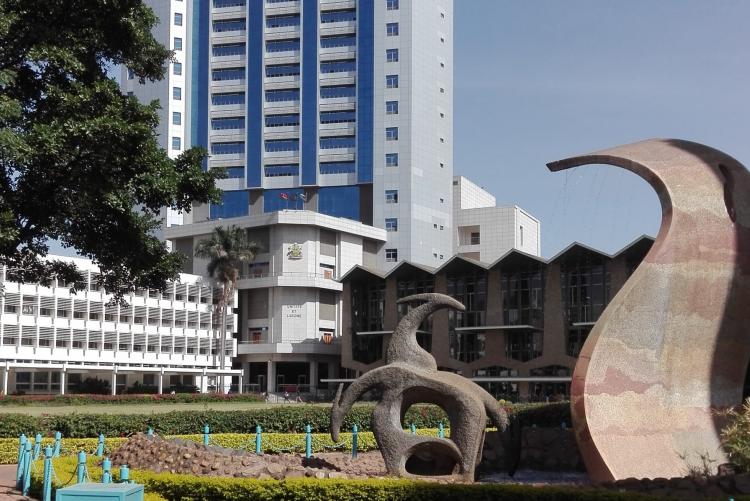
Nairobi’s position as a global hub for environmental multilateralism received a major boost on Monday with a new office block at the United Nations Office in Gigiri.
The office block was unveiled by United Nations Secretary-General António Guterres.
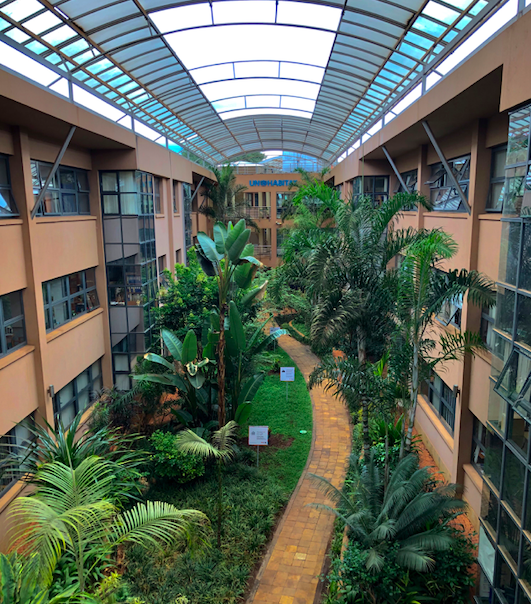
The new facility is the UN’s first net-zero building, powered year-round by on-site solar energy, marking a significant step in sustainable infrastructure within the UN system.
Guterres said the expanded UNON campus will, within two years, host world leaders to deliberate on pressing global challenges.
“They will gather in a new amphitheatre carved into African soil and surrounded by the Karura Forest. It will anchor a modern conference complex with a capacity for 9,000 people, welcoming delegates, civil society and the public. All of this comes at a time of transformation for our organisation,” he said.
President William Ruto, senior UN officials and top government leaders attended the unveiling ceremony.
Guterres said Africa is increasingly positioning itself as a driver of solutions, innovation and moral leadership in global efforts on peace, development and human rights.
He said there is growing talent, dynamism and determination shaping international discourse across the continent.
At the heart of the expansion are two major construction projects valued at nearly $340 million (Sh43.9 billion), the largest non-peacekeeping investment ever made by the UN Secretariat in Africa.
The first phase has already transformed the Gigiri compound, replacing ageing 1970s prefabricated structures with six modern, climate-resilient buildings designed for efficiency, accessibility and sustainability.
The second phase is a $265.6 million (Sh34.2 billion) overhaul of UNON’s conference facilities, set to begin in 2026 and be completed by 2030. The upgrade will increase meeting capacity from 2,000 to 9,000 delegates and include a 1,600-seat assembly hall.
Once completed, Nairobi will join Geneva and New York as one of only three UN campuses with such high-capacity global conference facilities.
The 140-acre Gigiri complex, gifted
by Kenya in the 1970s, already hosts the headquarters of the United Nations
Environment Programme (UNEP) and UN-Habitat, the only UN agencies based in the
developing world.
The growing presence of agencies such as UNICEF, UNFPA and UN Women has further cemented Nairobi’s role as a key global centre for multilateral operations.
Guterres said the expanded facilities will incorporate additional solar installations, moving the campus closer to full energy neutrality by 2030.
Nearly 3,000 indigenous trees have already been planted, with another 3,000 planned as construction progresses.
The UN chief praised Kenya’s support, saying the expansion would not have been possible without the country’s hospitality and commitment to multilateralism.
President Ruto said the UNON complex
has evolved into the largest UN headquarters by acreage globally, hosting more
than 70 UN agencies, funds and programmes and over 6,000 staff.
He said Kenya remains committed to strengthening Nairobi’s capacity as a global centre for diplomacy and sustainable development.
Ruto also highlighted Kenya’s broader infrastructure investment plans tied to the UN expansion, including about $1.1 billion (Sh142 billion) in domestic resources for roads, utilities, ICT systems, security and urban upgrades.
He said around 267km of roads will be constructed in Nairobi, alongside major investments in city lighting, water systems and sanitation.
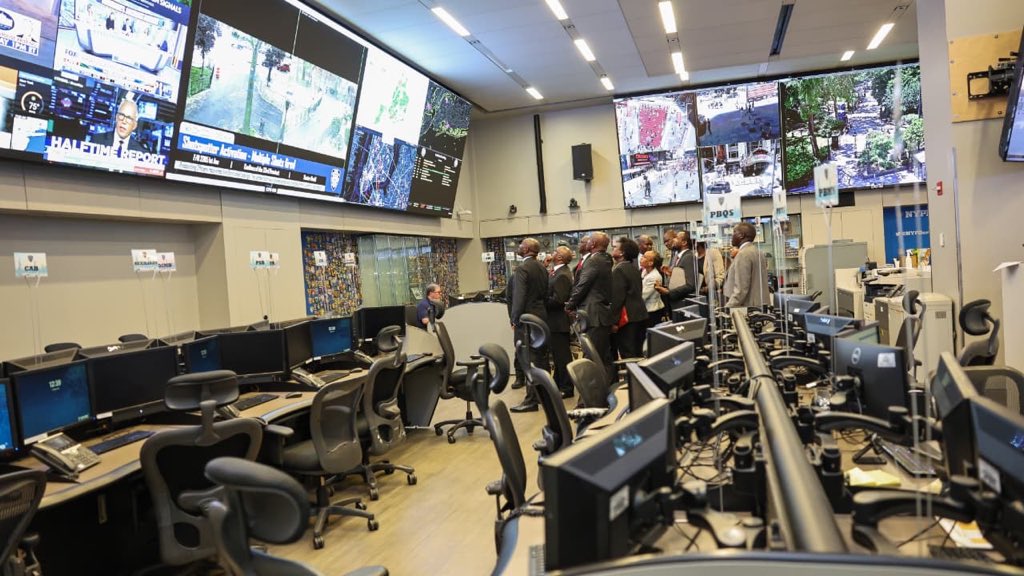
The President also announced plans to operationalise a metropolitan police unit in Nairobi by July to enhance security.
Additionally, he said $400 million (Sh51 billion) will be used for urban clean-up and beautification programmes aimed at improving the city’s global image.