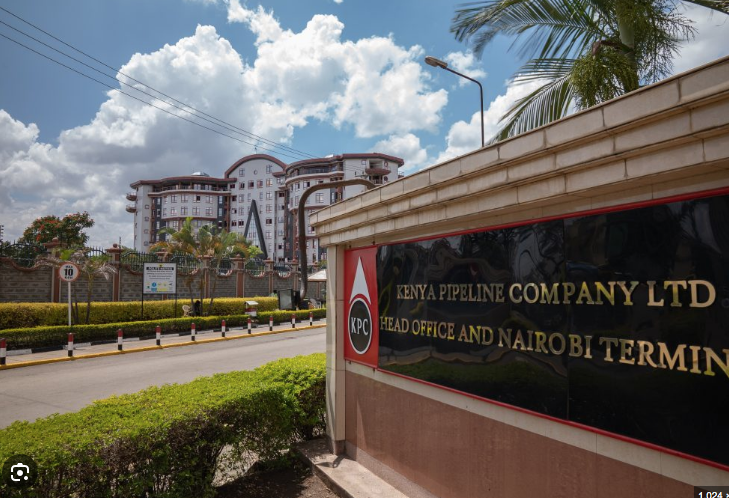
The government's plan to partially privatise the Kenya
Pipeline Company has been complicated by a stringent set of new
conditions imposed by MPs.
The lawmakers have mandated that the government can only
offer up to 65 per cent of KPC shares to the public through the Nairobi
Securities Exchange.
This is while ensuring the state retains a controlling 35 per
cent stake to maintain influence over the strategic asset.
The conditions have been set amid widespread concerns that a
full or majority sale could jeopardise national energy security and cede too
much control of critical infrastructure to private entities.
Beyond the ownership structure, legislators are demanding safeguards to prevent the concentration of economic power in one buyer or
shareholder.
As such, MPs want the Privatisation Commission to establish
a maximum ownership limit for any single shareholder.
They hold that the measure is designed to promote
broad-based ownership and encourage market competitiveness.
“This House resolves that the Privatisation Commission takes
steps to safeguard against excessive concentration of shares in a single entity
or related parties and shall set a maximum ownership limit for any one
shareholder to help preserve broad-based ownership, promote market
competitiveness and protect national and energy security interests,” the Finance Committee report says.
The committee holds that an unregulated sale would see the
emergence of a monopolistic entity that could manipulate petroleum supply or
pricing.
There are fears that a private monopoly could exploit its control
over the pipeline, which is the backbone of the country's fuel logistics,
ultimately harming consumers.
Lawmakers want the pipeline company to be valued and the outcome of the valuation made public before any transaction proceeds.
It emerged that the committee has yet to receive a
definitive valuation report from the government on the true financial position
of KPC.
“This should also take into account the future potential of
the business in compliance with section 31 of the Privatisation Act, 2005.”
The MPs have also raised an alarm over several
financial liabilities that must be fully assessed and disclosed, including pending
lawsuits amounting to Sh5.75 billion.
MPs also want unresolved compensation claims worth Sh3.8
billion owed to victims of the Thange oil spill in Makueni county, which is a historical
grievance linked to the pipeline's operations, paid.
The lawmakers want the sale process to consider the
plight of employees and factor in their welfare.
Despite assurances from Energy Cabinet Secretary Opiyo
Wandayi that no job losses or restructuring are foreseen, MPs say anxiety is pervasive among KPC staff.
To address these concerns, legislators are pushing for
guarantees that employees will be included in an Employee Share Ownership Plan
(ESOP). This is to ensure they have a tangible stake in the company's future
post-privatisation.
Even so, the entire process is now under the shadow of a
legal challenge.
The High Court has issued a conservatory order temporarily
halting the privatisation, following a petition by the Consumer Federation of
Kenya.
The organisation argued that the process lacked genuine
public participation and transparent disclosure of critical information.
It contended that the sale of such a strategic
asset, designated as critical national infrastructure under the Energy Act of
2019, without adequate safeguards, threatens national security and consumer
welfare by potentially exposing the petroleum supply chain to manipulation,
sabotage or monopolistic exploitation.
National Treasury plans to raise approximately Sh100 billion
to address budget shortfalls in the 2025-26 fiscal year, the delays dealing a
significant blow to the government's financial strategy.
MPs want the Office of the Auditor General to audit the
processes relating to the privatisation to ensure value for money and submit a
report to the National Assembly within six months of completing the processes.
The government has, however, continued to defend the
privatisation.
Treasury Cabinet Secretary John Mbadi recently argued that
the move is a necessary measure to generate funds without increasing the tax
burden on Kenyans.
"Privatisation will give us fiscal space while avoiding
more burdens on taxpayers,” the CS said.
The Cabinet said the decision was a major policy shift away
from state dominance in commercial enterprises towards private-sector-led growth,
efficiency and innovation.
In its recent briefs, the state drew parallels to the
successful past privatisations of entities like Safaricom and KenGen.
But MPs have demanded that the Privatisation Commission
report each stage of the implementation process to the National Assembly for
continuous oversight and accountability.
INSTANT ANALYSIS
The court hearing is set for September 5, 2025. The
government has to navigate the intricate web of parliamentary conditions,
financial due diligence, and public scepticism. As such, the ambitious timeline
to list KPC by September appears increasingly untenable, signalling a tough and
uncertain road ahead for the sale of this critical national asset.