The death has set the stage for a major realignment in the
country’s electoral landscape.
From Nyanza to the Coast, Western Kenya to Nairobi, and even
parts of northern Kenya, Raila’s influence was not just political—it was
deeply symbolic.
With his passing, political observers say these regions are
now up for grabs, and competition to inherit his vast support base has already
begun.
Since founding the Orange Democratic Movement (ODM) in 2005,
Raila had remained its undisputed leader, guiding it through five presidential
elections and numerous coalition arrangements.
His death has left ODM and the broader opposition with no
clear successor, even as allies like Wiper leader Kalonzo Musyoka step forward
to fill the void.
“Raila’s strongholds outside of Nyanza — this is Western,
Nairobi, and Coast — will be up for grabs. Anybody who will appeal to these
regions will take them,” said political analyst Fred Sasia.
“And with his
financial muscle and state power, Ruto could be the biggest winner.”
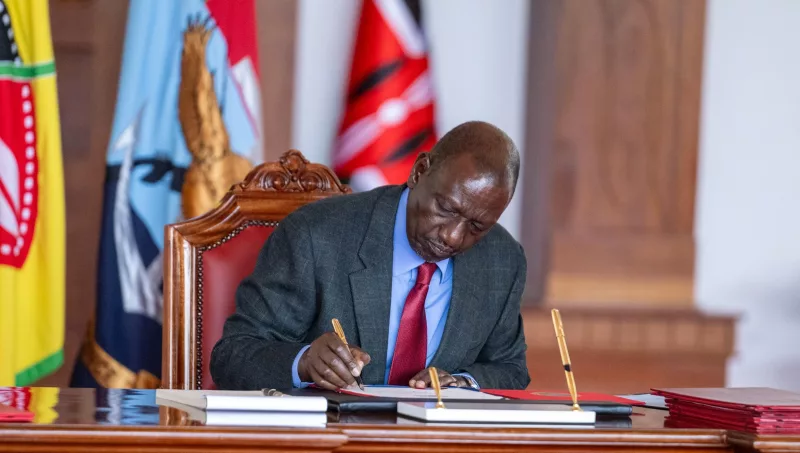
At Raila’s burial in Bondo, President William Ruto made a
notable political statement — not by what he said, but by what he avoided.
By deliberately leaving out partisan mentions of the United
Democratic Alliance (UDA), Ruto cast himself not as a political rival, but as a
reconciler seeking to bridge decades of regional divisions.
His tone and presence suggested a strategic move; to inherit
not Raila’s party, but his national appeal, especially among marginalised and
reform-minded constituencies.
“His speech in Bondo wasn’t just about mourning Raila the
man,” said one observer. “It was an overture to the Luo nation and other former
Raila bases — a message that their place is now within his government.”
In Luo Nyanza, a region known for loyalty to the Odinga
family and resistance to successive regimes, Raila's departure sets the stage
for a generational battle between the old political guard and ambitious younger
leaders.
“The death of Raila will usher in new leaders in Nyanza and
likely lead to fights between young politicians and the old guard,” Sasia
added.
Governor James Orengo and Cabinet Secretaries John Mbadi and
Opiyo Wandayi may carry influence, but political commentator Joseph Mutua cautioned
that none possess the grassroots reverence Raila commanded.
“The region may continue to support ODM in the short term,
but factionalism could grow without a unifying figure,” Mutua warned.
In Western Kenya, Raila’s longstanding alliances earned him broad
support, but with his passing, the likes of Musalia Mudavadi and Moses
Wetang’ula are expected to make strong bids to consolidate the region’s vote —
this time without competition from their former political ally.
The Coast, another of Raila’s strongholds built on shared
struggles around land rights and marginalisation, is also likely to see a shift
toward localised politics and new regional alliances.
“His support was not solely ethnic but tied to shared
grievances and long-term presence,” Mutua noted. “Post-Raila, coastal politics
may revert to regional interests, with leaders like Hassan Joho attempting to
fill the void.”
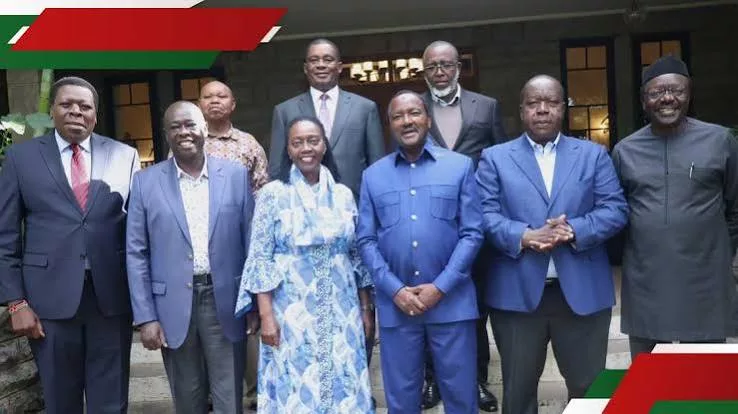
Among opposition leaders, Kalonzo appears best placed to
inherit some of Raila’s influence. A long-time ally who stood with Raila in
five elections, Kalonzo now seeks to rally Raila’s base — particularly in Luo
Nyanza — behind his 2027 presidential ambitions.
“The Kamba community stood with Raila through five
elections. Now Kalonzo seeks that loyalty in return,” said a source close to
the Wiper Party.
Still, it remains unclear whether Kalonzo can command the
same level of trust and emotional connection that Raila cultivated over
decades.
Although Raila never dominated northern Kenya electorally,
he garnered respectable support during key elections, especially when local
grievances aligned with his reformist message.
His alliances with elders and regional leaders in areas like
Marsabit, Wajir, and Garissa enabled him to secure votes when the issues
matched his national agenda.
Now, with his absence, these regions may return to highly
localised clan-based politics, or lean toward state-backed candidates —
particularly if they perceive better access to resources and development.
Raila’s death is more than the loss of an individual; it
marks the end of a political era. His unmatched ability to connect the personal
with the political, to embody grievance while offering hope, gave him a stature
few could match.
Raila, a towering figure in Kenyan politics for over four
decades, was laid to rest in a private ceremony attended by close family
members following a state funeral service.
A public memorial was held earlier at Jaramogi Oginga Odinga
University of Science and Technology (JOOUST).
The funeral was attended by a host of dignitaries, including
President William Ruto, former President Uhuru Kenyatta, Deputy President
Kithure Kindiki, Prime Cabinet Secretary Musalia Mudavadi, National Assembly
Speaker Moses Wetang’ula, former Nigerian President Olusegun Obasanjo, and
several Cabinet Secretaries, Principal Secretaries, MPs, and Senators.
The coming months will be decisive — and potentially
volatile — as new alliances form, old loyalties are tested, and a new political
order begins to emerge.

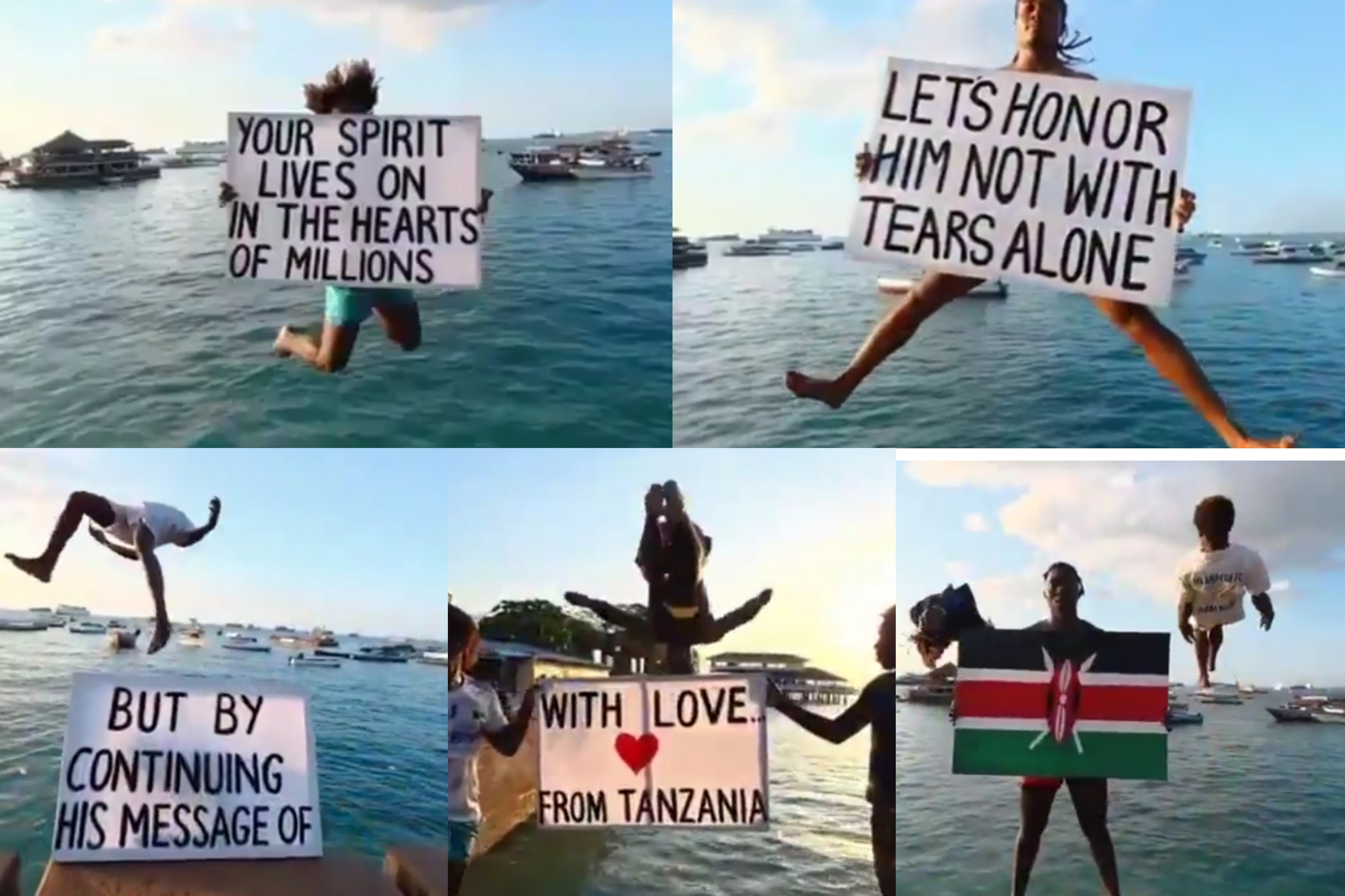
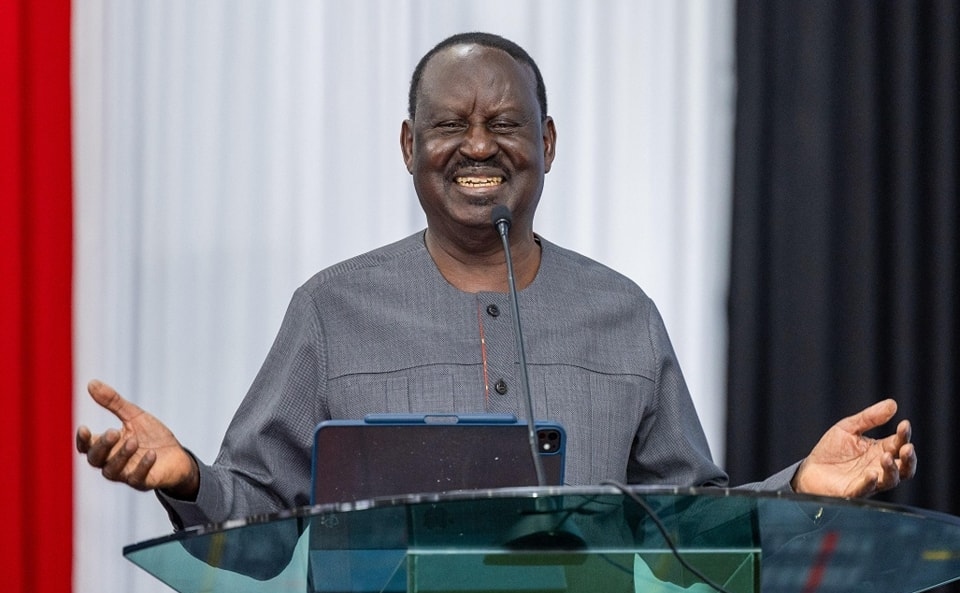 The late Raila Odinga