FORMER Prime Minister Raila Odinga’s
burial place has been a beehive of activity, with delegations streaming in
daily in scenes reminiscent of the magnetic pull he commanded in life.
Raila was buried on Sunday, and his
grave site has literally turned into a political and cultural pilgrimage site.
The ex-PM was buried after 72 hours
at his father’s home and next to his mother’s grave in line with his wish.
It has been five days since the
veteran chief was buried.
From dawn to dusk, groups of
mourners including politicians, elders, clergy, and ordinary citizens, make their way
to the iconic leader’s rural home in Kang’o Ka Jaramogi in Bondo, Siaya cunty, where the ODM boss is buried.
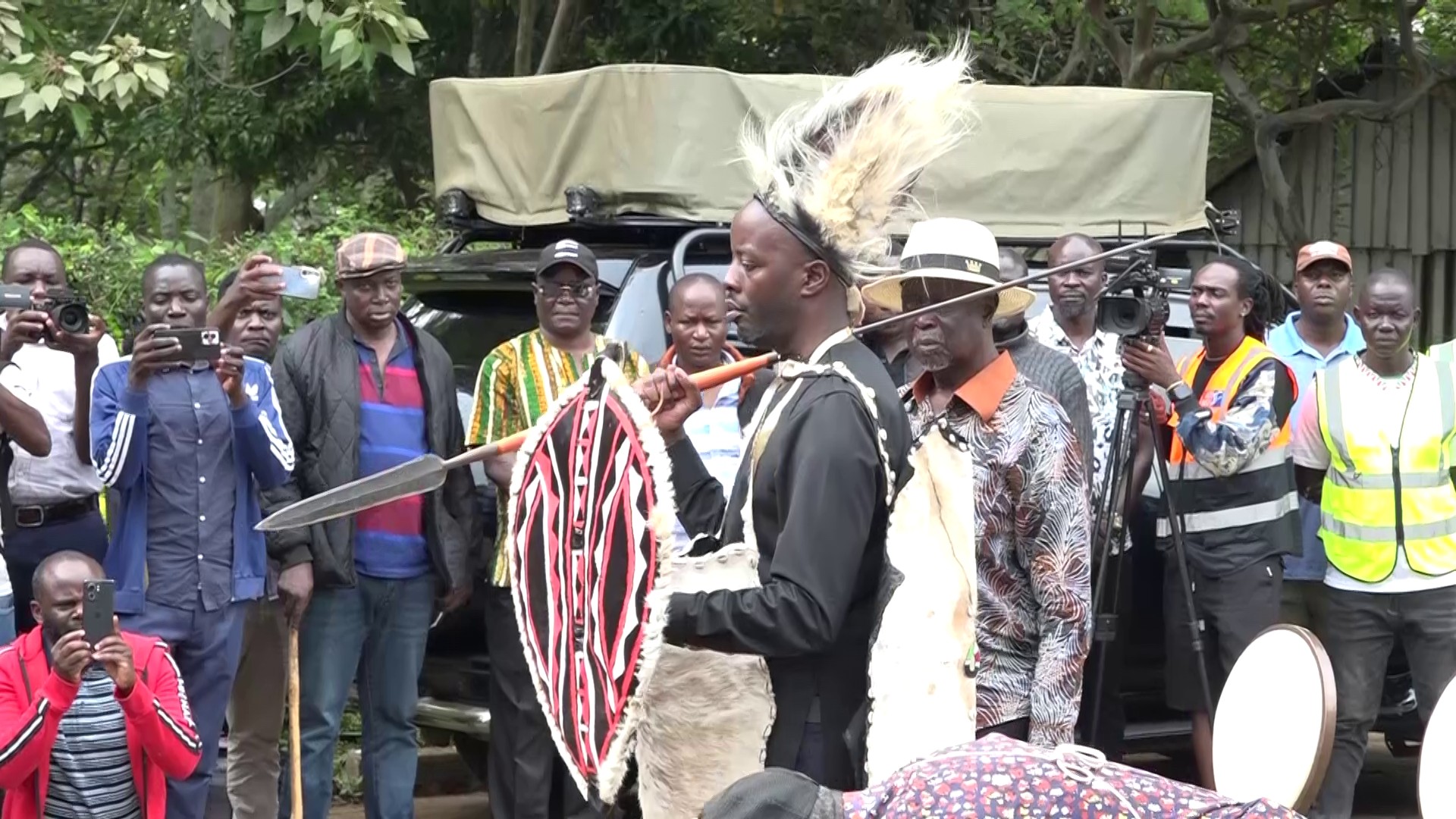
Some of the visitors carry flowers, elders
in full traditional attire chant traditional songs as they ‘condemn’ the
spirit of death.
Many describe the scenes as a
continuation of Baba’s rallies and a reflection of the enduring impact that transcends
mortality.
In life, Raila’s private
Capitol Hill office was a hub of political activity, with leaders from across
the political divide trooping to his private office.
Despite holding no official position, Raila hosted senior government
officials for consultations at demonstrating his influence across.
Retired President Uhuru Kenyatta is
among the growing list of prominent personalities who have made a return to the
grave of the late former Prime Minister, days after his burial.
The visits, marked by solemn
reflection and private prayers, underscore the profound respect and influence
Raila commanded across Kenya’s political divide.
Throughout his presidency, Uhuru and Raila shared both rivalry and unity,
culminating in the historic 2018 “handshake” that reshaped Kenya’s political
landscape.
The same day, a group of Luos from Gulu in Uganda crossed to Kang’o
Ka Jaramogi, where they staged a whole day of traditional Luo dances while circling
the grave.
The latest high-profile leader to
return to the grave is the business mogul and Royal Media Services owner SK
Macharia.
He landed in Bondo on Thursday
morning and was received by Homa Bay Governor Gladys Wanga before proceeding to
the grave site, where he offered prayers.
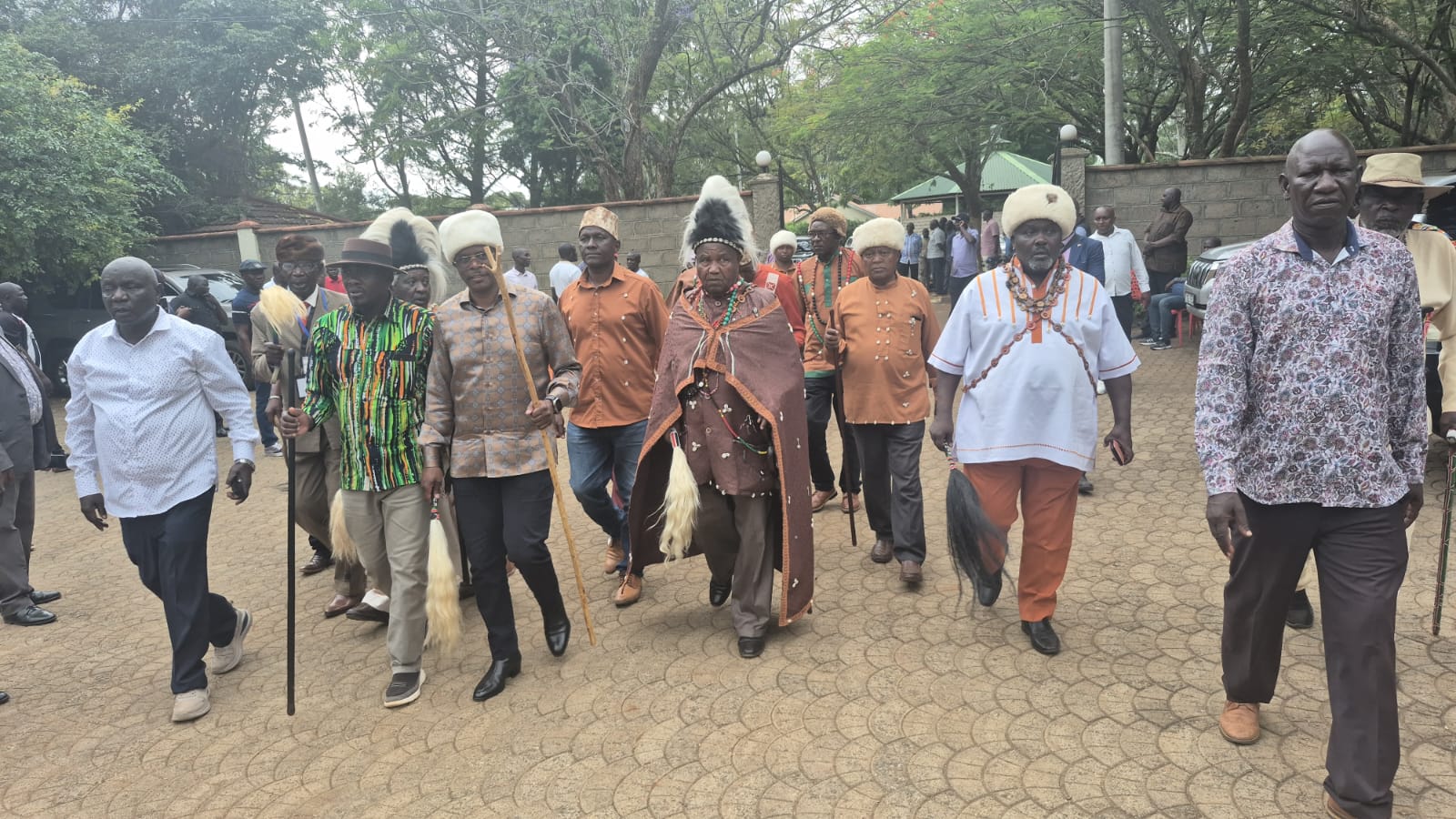
On Wednesday, a strong delegation of the Kikuyu Council of Elders, led by Ndia MP
George Kariuki visited Raila’s grave conducted special prayers before
presenting bulls to the family.
“We are here to mourn a great leader. Raila Odinga had many opportunities to
let this country disintegrate, but he never misused those opportunities,”
Kariuki said.
“Every time he faced a critical juncture, he chose unity and used those
moments to bring Kenyans together.”
Bukusu elders were also not left behind. On Wednesday, the charged
elders clad in their traditional attire stormed the grave site to perform a
burial rite called Lufu.
Lufu is a Bukusu’s equivalent
to tero-buru, a rite which is
conducted on the third day after burial.
Several governors and senators have
also made similar pilgrimages, turning Raila’s final resting place into a
symbol of unity and national reflection.
Governors James Orengo (Siaya),
Johnson Sakaja (Nairobi), Ochilo Ayacko (Migori) and Ken Lusaka (Bungoma) have
also returned to the grave site.
On Thursday, Oburu while overseeing the
coronation of Raila Junior as the head of Raila's
home, explained that the conclusion of the traditional Luo mourning period,
marked on the fourth day after burial, was a time of transition, cleansing, and new
beginnings for the family.
“My brother was laid to rest
on Sunday,” Oburu said. “By last night, the mourning period had come to an end.
This morning, we perform the cleansing and blessing that mark a new chapter for
the family.”
According to Luo customs, the fourth
day after burial marks the conclusion of mourning. It is a day of cleansing
and transition, when sons resume normal life and leadership duties are
realigned within the homestead.
Even in death, Raila’s presence
continues to draw the high and mighty, a testament to his towering legacy in
Kenya’s political history.