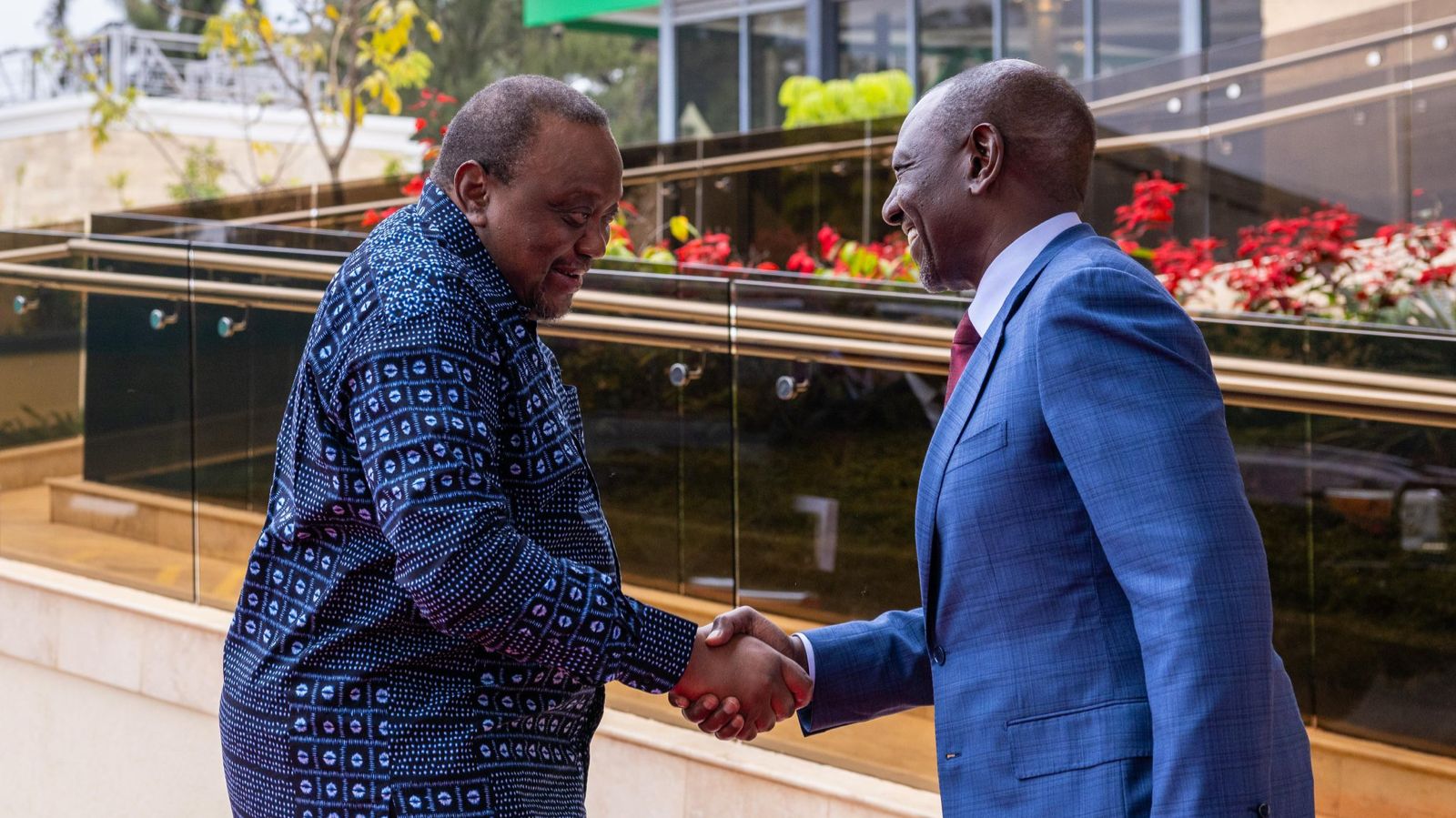
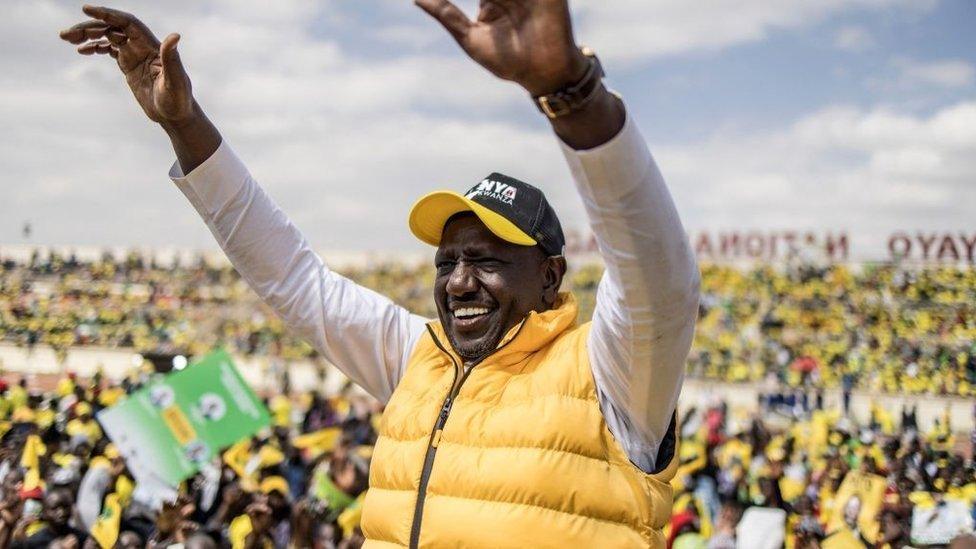
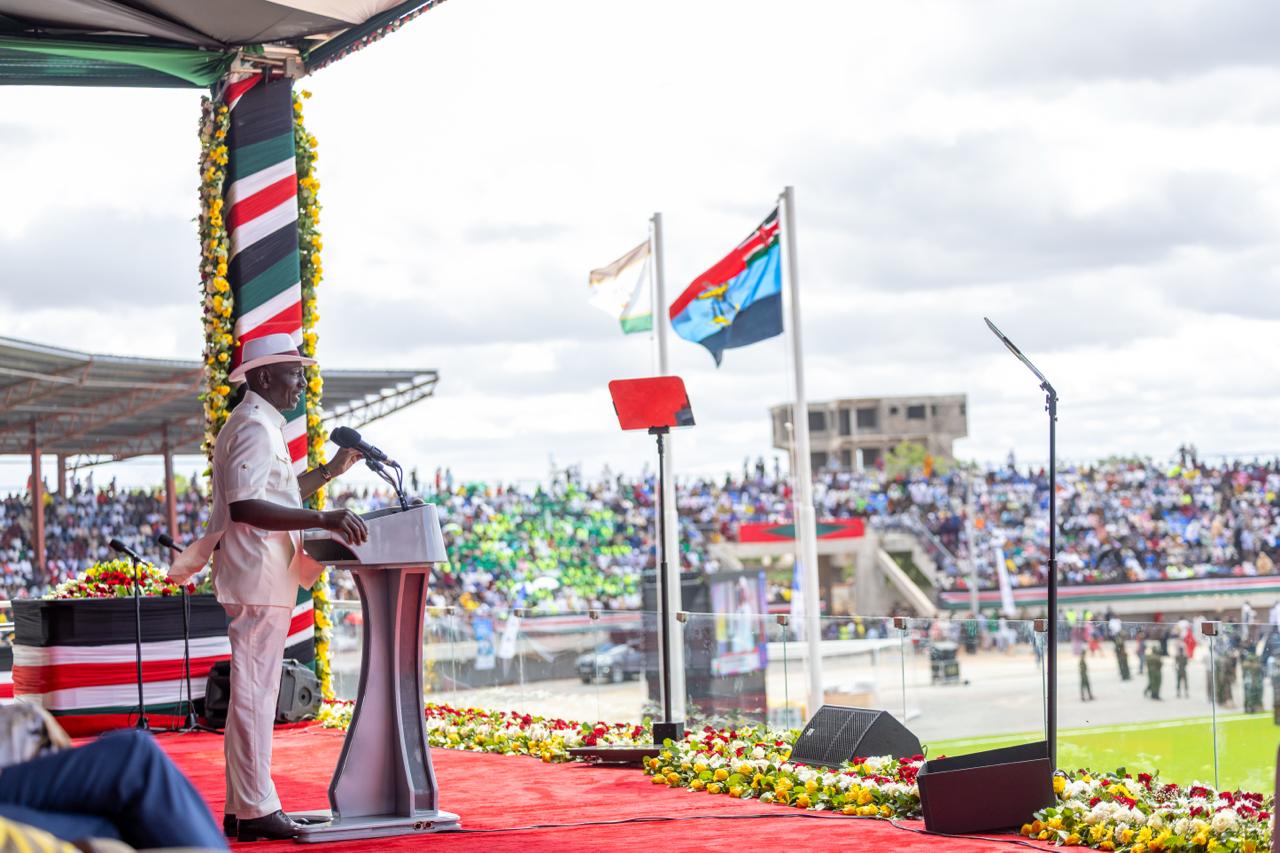
President William Ruto appears to be recalibrating his reelection political strategy, shifting from reliance on regional political kingpins to direct negotiations with grassroots leaders and communities.
In recent months, the President has intensified regional consultative meetings, some held away from formal political party structures, in what is emerging as a shift from relying on traditional political bigwigs to direct negotiations with the people.
By engaging local leaders outside party structures, Ruto is seen as trying to create parallel political networks loyal to him personally rather than to established parties or regional heavyweights.
The head of state has lately held a series of meetings with leaders from the Coast, Mt Kenya, Northeastern and Western regions, with some of the consultations bringing together governors, MPs, professionals, elders, clergy and local opinion shapers.
At the Coast, Ruto has held several engagements with regional leaders while pushing his administration’s plan to resolve the long-standing land question and infrastructure development projects.
“In the next 90 days, I have directed that we buy the land from the absentee landlords. The government has given the money to buy them and give it to squatters,” Ruto said last week during engagements with the people of Kilifi.
The meetings have been viewed as attempts to solidify support in a region historically dominated by opposition politics. In Mt Kenya, the President has been meeting elected leaders and grassroots delegations amid growing political unease in the vote-rich region.
Some of the meetings have reportedly focused on economic concerns, political unity and the region’s place in the Kenya Kwanza administration.
The region has been restive since Ruto’s dramatic fallout with his former deputy Rigathi Gachagua.
Ruto has also intensified engagements in Western Kenya through consultative forums bringing together local leaders as the government seeks to strengthen ties in the region following cooperation agreements with ODM.
The President has equally hosted leaders from Northeastern at State House and attended regional meetings aimed at discussing development priorities and political inclusivity.
The new strategy of direct regional engagements is now beginning to trigger political realignments, with leaders from various regions retreating outside their traditional party affiliations to reaffirm support for the head of state and push community interests.
The latest of such instances was over the weekend when Western leaders held a meeting in Naivasha to back Ruto’s re-election and demand the 2027 running mate position.
Lugari MP Nabii Nabwera, who read a joint statement, said the region is now seeking recognition commensurate with its political and economic contribution to the country.
“We are demanding the running mate position to President William in the 2027 general election because we have the requisite numbers, leadership capacity and political goodwill to occupy that office,” Nabwera said.
The approach marks a sharp departure from the President’s earlier strategy, where his political advances into regions largely depended on influential local power brokers, governors, MPs and established party networks.
During the 2022 campaigns and the early years of his presidency, Ruto often leaned on regional big names to mobilise support and negotiate political deals on his behalf.
However, analysts and rival political players remain sceptical that the strategy will significantly reduce hostility facing the Kenya Kwanza administration in some regions.
Critics argue that the political discontent is not necessarily about lack of access to the President but rather frustration over the high cost of living, taxation and unmet campaign promises.
Machakos Deputy Governor Francis Mwangangi dismissed Ruto’s new strategy, arguing the approach will do little to rescue what he termed the President’s deteriorating reelection prospects ahead of the 2027 polls.
Mwangangi said the growing wave of meetings bringing together regional leaders at State House and other consultative forums cannot reverse the political hostility currently facing the Kenya Kwanza administration.
According to the deputy governor, the public mood against the government is largely driven by economic hardships.
“Kenyans are tired, especially because of this administration’s punitive taxes, which have made the cost of living beyond the reach of the ordinary Kenyan. It will require a miracle for any approach to take Kenyans back to him,” Mwangangi told the Star.
Gatanga MP Edward Muriu backed his sentiments, noting some regions, particularly Mt Kenya, had politically moved on.
The lawmaker argued that repeated delegations to State House by elected leaders would not automatically translate into electoral support.
“Mt Kenya has already made its political position clear and no amount of delegations to State House will take the region back to him,” the MP said on the phone.
According to gender and governance expert Maimuna Mwidau, regions like the Coast will remain key political battlegrounds despite Ruto’s new strategy.
The analyst noted that while the government has intensified meetings with delegations from different regions in a bid to consolidate support, political competition in areas like the Coast remains far from settled.
According to the analyst, the region’s political dynamics formerly favoured late ODM boss Raila Odinga and are now leaning more towards the Linda Mwananchi team spearheaded by Nairobi Senator Edwin Sifuna.
“The Coast remains politically fluid and highly competitive. Ruto, coming down to the Coast to consolidate the coastal bloc, is using the ODM structures and fraternity to get the bloc because, at the moment, UDA does not have that kind of muscle despite having a Secretary General who comes from Mombasa County,” Mwidau told the Star.
“There has been a lot of influx from the Sifuna-led team, which has captured the ground quite strongly through the youth. So there is going to be a lot of competition.”
INSTANT ANALYSIS
With opposition forces regrouping and cracks emerging within some Kenya Kwanza zones, Ruto appears determined to craft a new political formula built around direct engagement, regional consultations and grassroots negotiations.