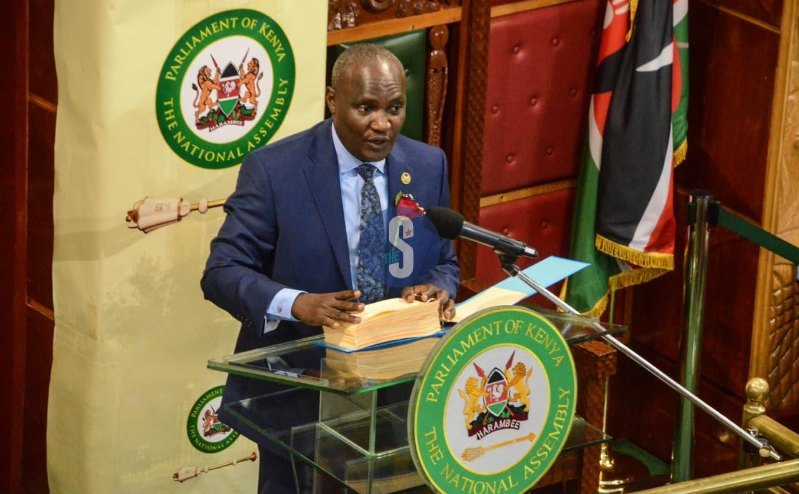
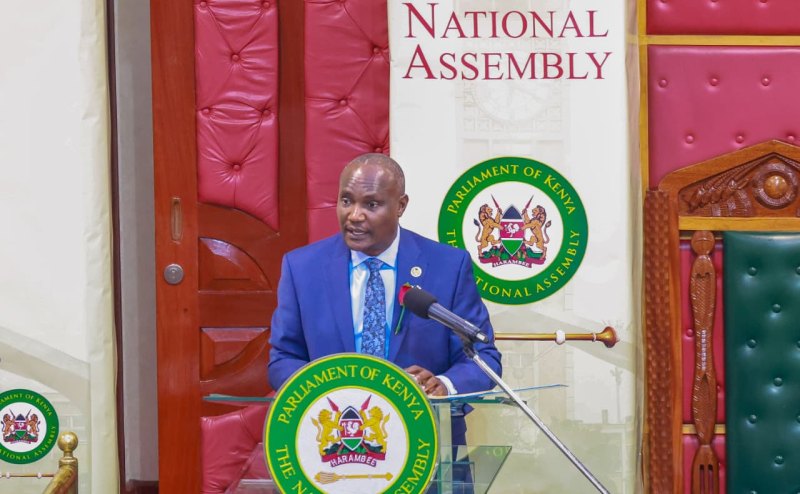
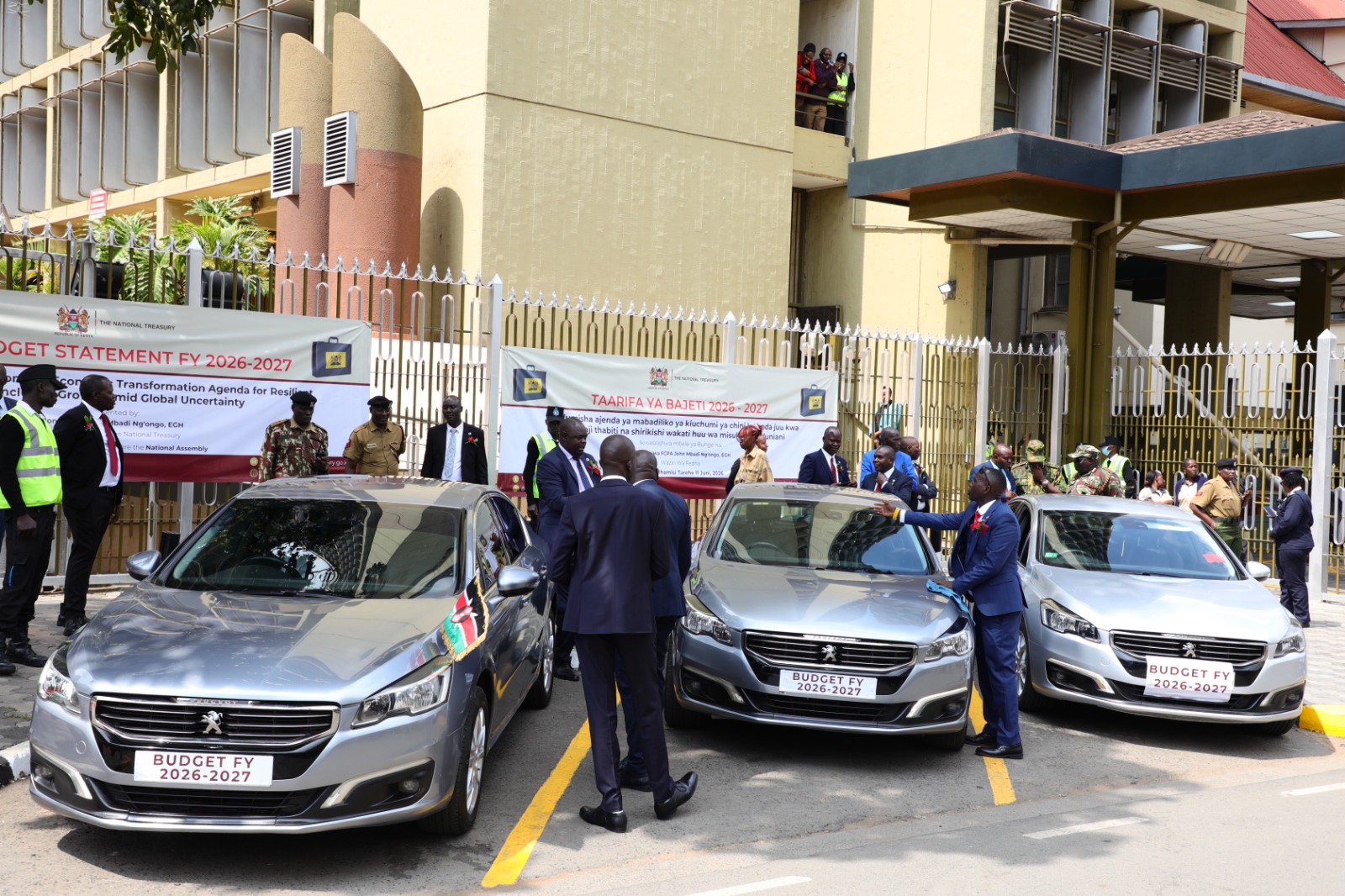
With Treasury Cabinet Secretary John Mbadi having delivered the 2026/27 Budget Statement in Parliament, attention now shifts from the speech and spending promises to the critical process of approval, allocation and implementation.
While the Budget Statement outlines the government's priorities and planned expenditure for the new financial year, it is only the beginning of a process that determines how public resources will ultimately be spent.
The first step after the budget presentation is parliamentary scrutiny.
Lawmakers will examine budget estimates for ministries, departments and agencies to ensure proposed allocations align with national priorities and legal requirements.
Parliament's Departmental Committees will review spending plans for sectors under their jurisdiction and prepare reports for consideration by the House.
Members of Parliament may recommend adjustments, reductions or reallocations before the final budget is approved.
The National Assembly's Budget and Appropriations Committee, chaired by Alego Usonga MP Samuel Atandi, will play a central role in coordinating the review process and preparing recommendations for debate and adoption.
Once Parliament approves the expenditure framework, the Appropriations Bill will be passed to authorise the withdrawal of money from the Consolidated Fund.
Without the Appropriations Act, government ministries and agencies cannot legally spend public funds.
At the same time, legislators will consider the Finance Bill, one of the most closely watched pieces of legislation following the Budget Statement.
The Finance Bill contains tax measures and revenue-raising proposals intended to fund government programmes.
It outlines any changes to taxes, levies, duties and other fiscal measures proposed by the Treasury.
Unlike the Budget Statement, which announces spending priorities, the Finance Bill determines where much of the money will come from.
The bill is expected to undergo public participation before being debated and voted on by Parliament.
Stakeholders, including businesses, civil society organisations, professional associations and ordinary citizens, will have an opportunity to submit their views.
The Finance Bill has become increasingly significant in recent years following public debates over taxation and the cost of living.
Any proposals affecting households, businesses or specific industries are likely to attract close scrutiny.
Beyond Parliament, attention will also shift to county governments.
The equitable share allocated to counties must be disbursed to enable devolved units to implement development projects and deliver services.
Governors will also finalise county budgets based on allocations approved at the national level.
The effectiveness of the national budget will therefore depend not only on decisions made in Nairobi but also on how resources are utilised across the 47 counties.
For government ministries, departments and state agencies, implementation begins almost immediately after approval.
Accounting officers will be required to prepare work plans, procurement schedules and performance targets linked to budget allocations. Ministries will then roll out programmes and projects funded under the new financial year.
The Treasury will monitor spending patterns throughout the year to ensure ministries remain within approved limits while maintaining fiscal discipline.
Another major focus will be revenue collection.
The government's ability to implement planned programmes will depend heavily on whether revenue targets are met.
Agencies responsible for tax collection and non-tax revenue will be under pressure to achieve projections outlined in the budget.
If revenues fall below expectations, the Treasury may be forced to revise spending plans, increase borrowing or introduce supplementary budgets later in the financial year.
Economic analysts will also be watching key indicators such as inflation, economic growth, public debt levels, job creation and private-sector investment to assess whether the budget achieves its intended objectives.
For businesses, the period after the budget is often spent evaluating how new tax measures, incentives and government spending plans will affect operations and investment decisions.
Investors will be looking for clarity on infrastructure spending, support for manufacturing, agriculture, digital economy initiatives and measures aimed at improving the ease of doing business.
For ordinary Kenyans, the real test of the budget will be whether promised programmes translate into tangible improvements in daily life.
Questions will centre on whether government investments create jobs, lower the cost of living, improve healthcare and education services, expand access to affordable credit and strengthen social protection programmes.
Implementation has historically been one of the biggest challenges in public finance management. Delays in procurement, revenue shortfalls, slow project execution and pending bills have often affected the realisation of budget targets.
As a result, experts say the success of the 2026/27 budget will not be measured by the speech delivered in Parliament but by how effectively the proposed programmes are executed over the next twelve months.
The coming weeks will therefore be crucial as Parliament debates the Finance Bill, approves spending plans and clears the legal framework required to operationalise the budget.
Only after those processes are completed will the government's spending agenda move from policy pronouncements to actual delivery, setting the stage for the implementation of programmes intended to sustain the Bottom-Up Economic Transformation Agenda (BETA) and drive resilient and inclusive growth amid global uncertainty.

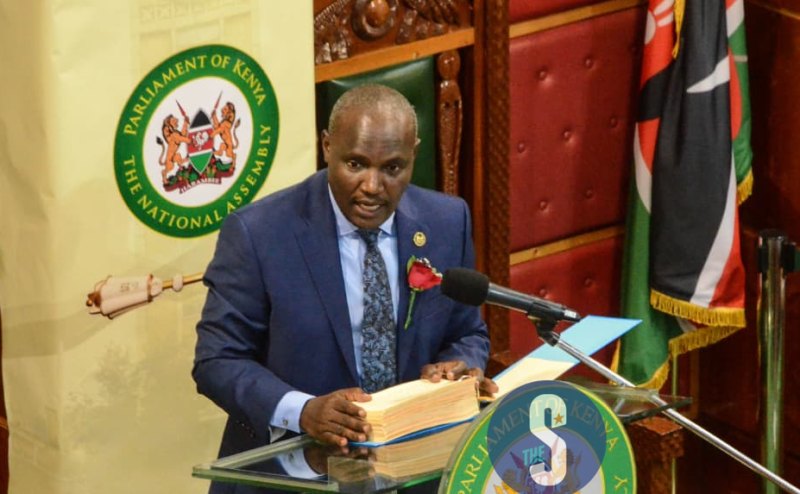 Treasury CS John Mbadi presents the 2026-27 budget estimates in Parliament on June 11, 2026. /DOUGLAS OKIDDY