


 KRA offices/ FILE
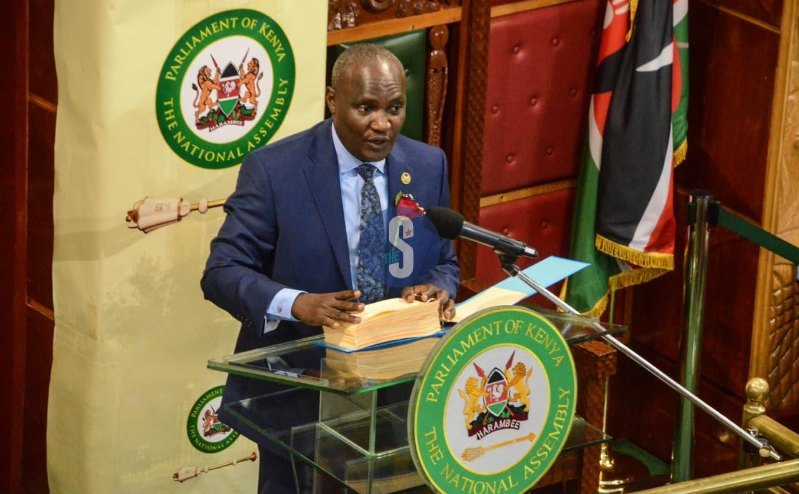
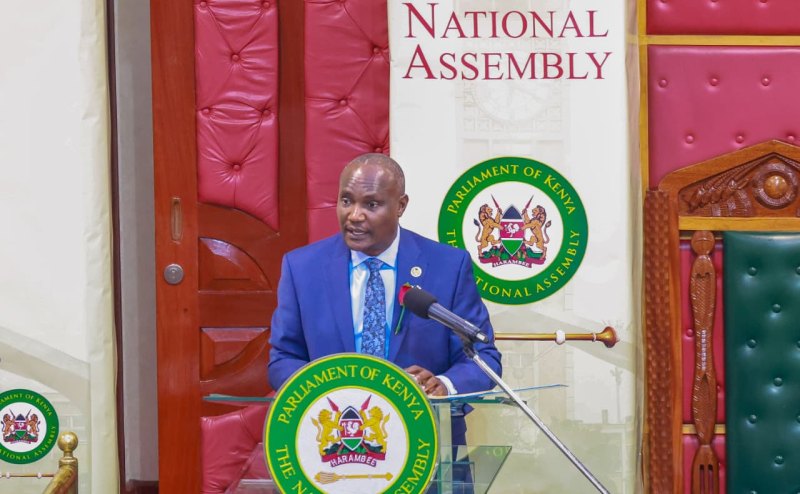
Treasury Cabinet Secretary John Mbadi has proposed new tax filing deadlines that would require Kenyans filing nil returns to submit their annual declarations within one month after the end of the year of income.
He said the move is aimed at giving the Kenya Revenue Authority more time to verify returns.
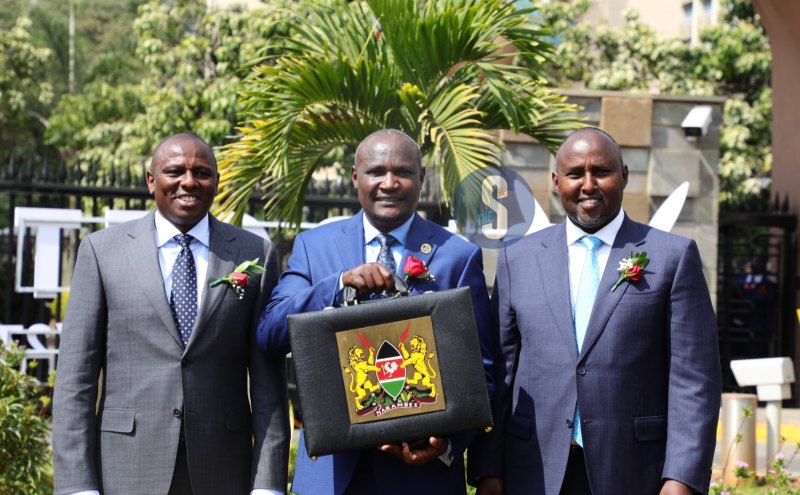
Presenting the 2026-27 Budget Statement in Parliament on Thursday, Mbadi said the proposed changes would also require individuals whose earnings are fully taxed at source, including salaried employees earning employment income only, to file their returns within four months after the end of the year of income.
The proposed reforms would mark a significant departure from the current system under which all taxpayers file returns by June 30 regardless of income category.
Mbadi said the changes are intended to improve tax compliance and strengthen verification processes before the start of a new financial year.
"Currently, the deadline for filing tax returns is June 30, of every year for all categories of income, which leaves no room for verification and validation of filed returns before the commencement of another financial year," he said.
"To provide sufficient time for verification and validation of returns, I propose revisions to the timelines for filing individual income tax returns."
Under the proposal, taxpayers filing nil returns would be required to submit their returns within one month after the end of the year of income, while salaried employees whose income is fully taxed at source would file within four months after the end of the year.
The proposals are expected to affect millions of Kenyans who file nil returns annually as part of tax compliance requirements.
The new filing timelines form part of a broader package of tax administration reforms unveiled by the Treasury in the 2026-27 budget.
Mbadi said he had deliberately avoided introducing new taxes or increasing existing tax rates, opting instead to focus on measures aimed at improving efficiency in tax collection and broadening the revenue base.
"I have deliberately chosen not to introduce new taxes or increase tax rates that would further overburden hardworking Kenyans and their families," he said.
"Instead, the measures are focused on reforms that improve efficiency in tax collection, create fairness in the tax system and broaden the revenue base without burdening wananchi."
The Treasury is also proposing measures to tax gains arising from offshore transactions involving assets located in Kenya.
According to Mbadi, the current legal framework allows some transactions involving Kenyan assets to escape taxation when structured through foreign entities.
"Currently, gains arising from offshore transfers where the value of the transferred shares is derived from assets located in Kenya are not taxed," he said.
The proposed amendments would ensure such gains attract tax regardless of where the transaction is executed or where the beneficial owners are based.
The government is also targeting companies that retain profits for prolonged periods instead of distributing them to shareholders.
Mbadi said some firms have been using indefinite retention of earnings to delay payment of dividend taxes.
"When companies make profits, those profits should find their way back to shareholders within a reasonable time," he said.
The budget proposes the introduction of a minimum deemed dividend distribution threshold of 60 per cent of undistributed income to discourage companies from retaining profits solely for tax planning purposes.
The Treasury is further seeking to clarify the taxation of software-related payments, interchange fees and merchant service charges as businesses increasingly rely on digital platforms and cross-border transactions.
The government is also proposing a withholding tax on winnings from gambling, lotteries and prize competitions.
"Gambling activities have grown significantly in recent years, particularly through digital platforms. While these are legitimate activities, winnings from gambling are income, and like any other income, they should be taxed," Mbadi said.








![[PHOTOS] The Star, Chinese Embassy host Kenya-China media dialogue](https://cdn.radioafrica.digital/image/2026/06/215e29cd-5ca2-4faf-bb4e-d1686b2c3dad.jfif)