While lawmakers allied to President William Ruto's
administration hailed the budget as a bold blueprint for economic
transformation and job creation, MPs aligned to the united opposition dismissed
it claiming it fails to address the everyday struggles facing millions of
Kenyans.
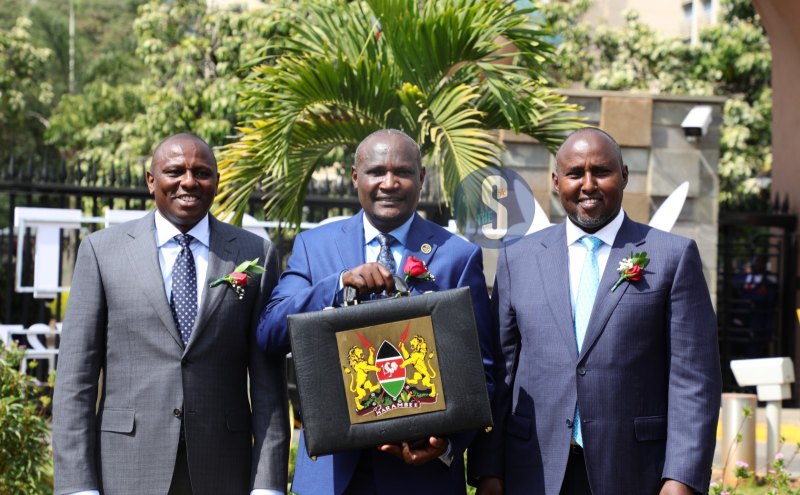
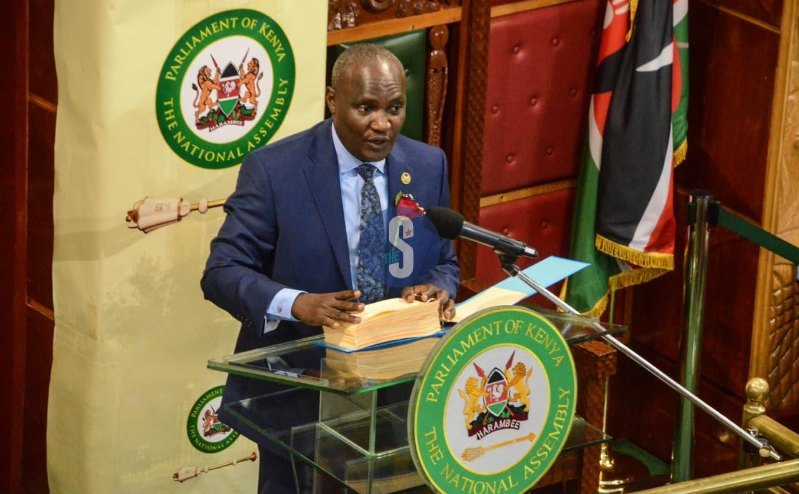
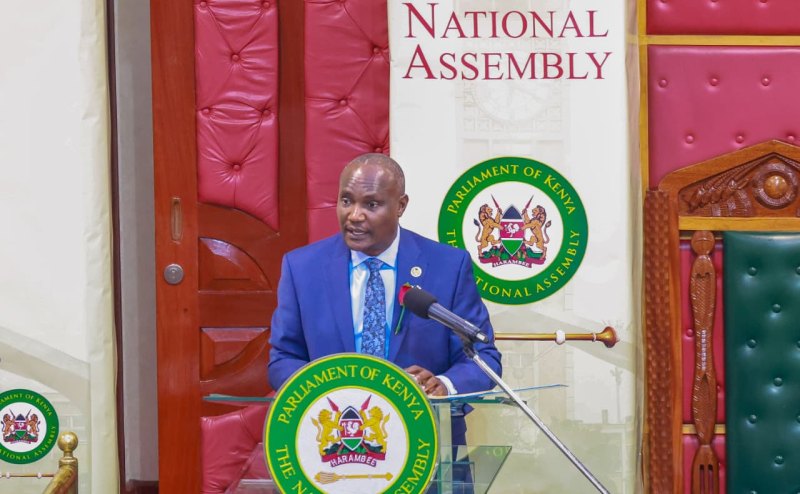
Presenting the budget estimates to Parliament, Mbadi
outlined increased allocations to key sectors including infrastructure,
education, health, agriculture and security.
He argued that the spending plan is designed to sustain
economic growth while protecting vulnerable households.
Government supporters quickly rallied behind the proposals,
describing them as a reflection of the administration's commitment to improving
livelihoods and accelerating development across the country.
Several broad-based government MPs praised the Treasury for
maintaining funding for flagship projects while avoiding the introduction of
punitive taxes that had previously triggered public discontent.
Uriri MP Mark Nyamita termed the budget key in addressing
inequality that has existed in the country over the years.
"CS Mbadi continues to demonstrate great effort towards
equitable distribution of resources across the county departing for the skewed
past. The focus on key infrastructural projects will eventually open the
economy and grow the country's GDP,” Nyamita told the Star
“The revenue measures are also very modest cognizant of the
tight state of the economy.”
Health Cabinet Secretary Aden Duale lauded the intentional
additional allocation towards infrastructure and the allocations in the
country’s healthcare.
“The infrastructure budget has increased because we must
ensure equity in development. Similarly, we need to invest heavily in our
healthcare facilities and education, as these sectors are fundamental to every
Kenyan market,” Duale said.
Supporters further argued that increased investments in
agriculture, affordable housing, roads and social protection programmes would
stimulate economic activity and cushion Kenyans from the high cost of living.
However, opposition lawmakers painted a different picture,
accusing the government of failing to address the country's mounting economic
challenges.
Mukurweini MP John Kaguchia said the huge deficit and debt
refinancing will make delivery of key development projects impossible.
“Owing to the huge fiscal deficit and the much money
committed to loan repayments it means that most of the promises given on
development are not tenable since there is huge funding gap,” Kaguchia said.
“Hence it's more of a campaign deception budget.”
Speaking to the Star, Gatanga MP Edward Muriu said the
continued huge allocations to State House and National Intelligence Service are
unnecessary burden to taxpayers.
“The budget failed at two Levels. The Sh1.4.8 trillion
budgets with deficit of Sh1.4T means more debt and more taxes to already
burdened Kenyans with taxes,” Muriu told the Star.
“Most of the money is in the State House, Interior, Defence,
NIS and confidential votes which zero value to common Mwanchi.”
Former Budget and Appropriations Committee chairman Ndindi
Nyoro while raising concerns about the big budget deficit noted that most of
the projects are campaign-focused.
“Every time before elections, we see an escalating deficit.
The government is trying to prioritise political and campaign projects. The
money comes as confidential funds or you'll see an office getting a huge
increment in budget,” the Kiharu MP said.
Earlier, Mbadi announced that the government will introduce
a new Planning Bill in 2026 aimed at strengthening Kenya’s national planning
and budgeting framework.
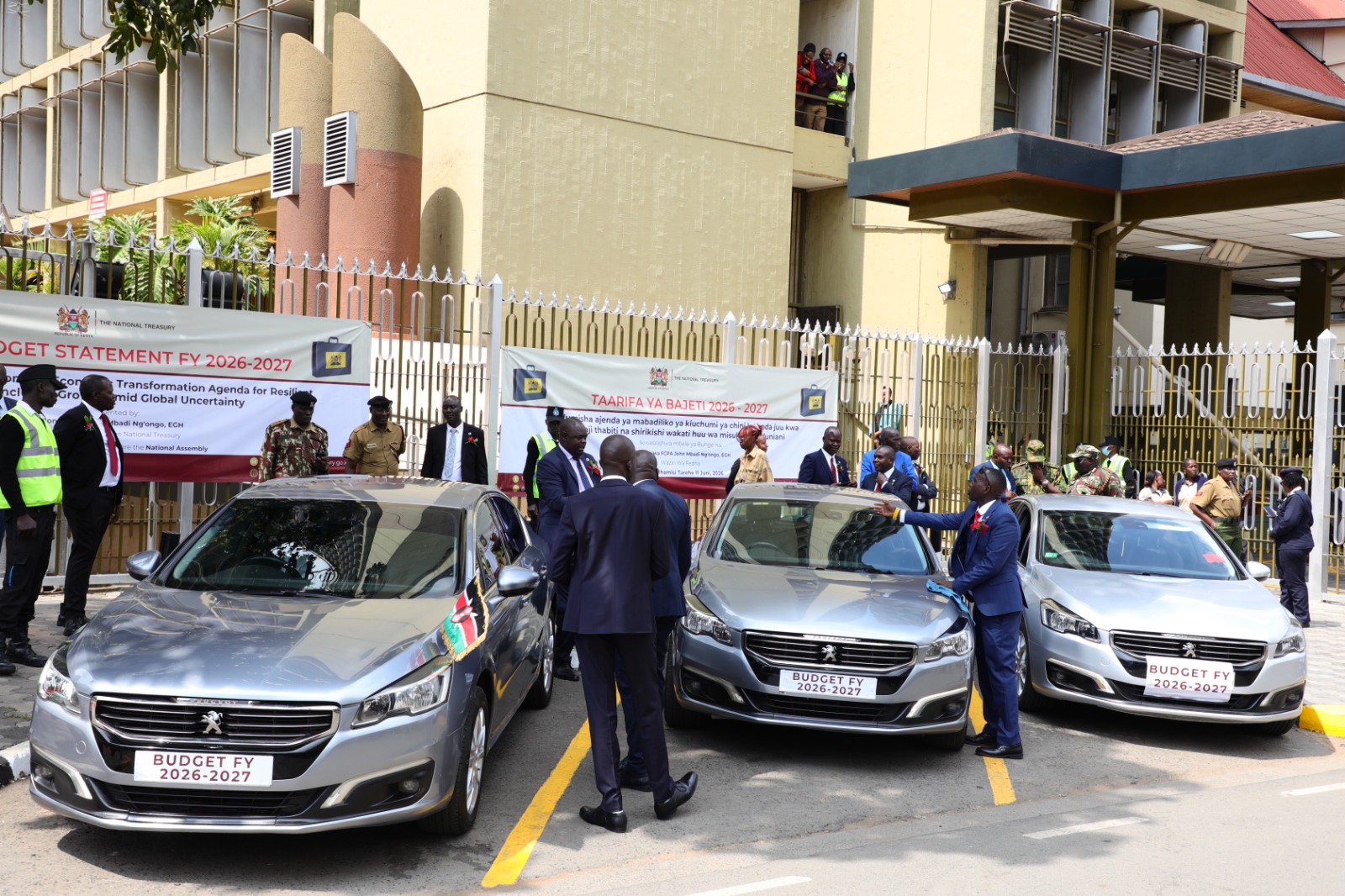
Speaking ahead of the 2026-27 Budget Statement in Parliament
on Thursday, Mbadi said the proposed law will address a critical gap in the
country’s public finance architecture, formal legal structures governing
national planning.
He said that while Kenya already has legislation on public
finance management, procurement, and asset management, there is currently no
standalone law guiding national planning.
“I have been a proponent of proper planning; the problem we
have in our budget process is that we are not making plans to budget. We have
laws governing public finance management, we have laws governing procurement,
we have laws guiding asset management, but we don't have any law on national
planning,” he said.
Mbadi noted that the absence of a dedicated planning
framework has weakened coordination between policy priorities and budget
implementation, leading to inefficiencies in resource allocation.
“That is a law that we are going to introduce this year so
that we can have a proper plan. If you don’t plan well, you cannot have a good
budget and a good financial plan,” he said.
The proposed Planning Bill 2026 is expected to formalise how
national development priorities are set, aligned and monitored across
government institutions, to improve discipline in public spending and ensure
better alignment between long-term policy goals and annual budgets.
The Kenya Association of Manufacturers said there were many
positives in the budget but hoped the executive will review some proposals
especially on tax administration
But the manufacturer's lobby praised the government for
earmarking billions of shillings for infrastructure development.
The infrastructure focusing on roads, energy projects and
transport networks it said, would improve connectivity, lower the cost of doing
business and enhance Kenya’s competitiveness.
"The budget underscores a shift towards leveraging
private capital through the newly established National Infrastructure Fund,
which is expected to mobilise resources for major projects while reducing
reliance on public borrowing," KAM boss Tobias Alando said.
Alando however hopes that policy makers will review some
proposals especially on tax administration to ease burden for businesses and
households.