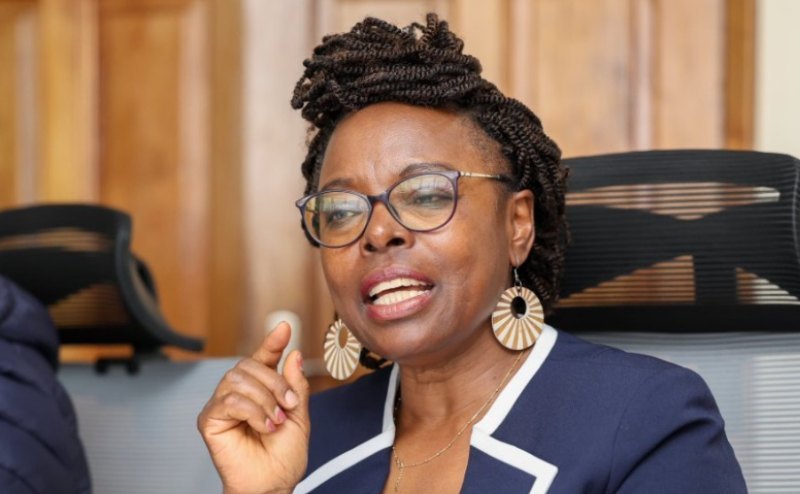
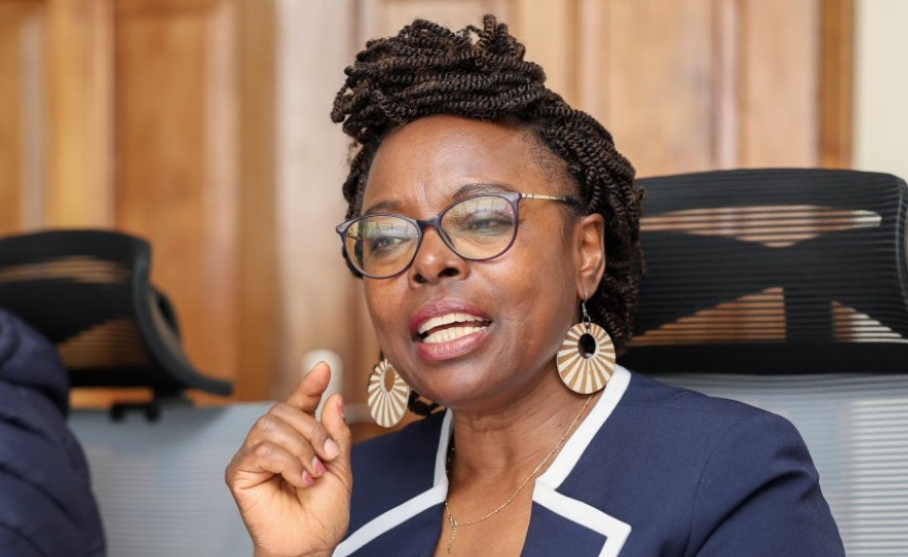
Controller of Budget Margaret Nyakang’o has blocked
spending plans worth Sh70 billion that various ministries sought to authorise
under the emergency clause.
COB rejected the requests made between July 1, 2025, and
March 31, 2026, by several ministries and state departments, covering both
recurrent and development expenditures.
While ministries sought to spend Sh276.7 billion under
the emergency clause, only Sh206.8 billion was approved, with emergency
development budgets standing out.
Of the Sh70 billion rejected, Sh22.6 billion relates to
recurrent expenditures and Sh47.3 billion to development expenses made under
the article that allows spending before MPs’ approval.
The move can put several accounting officers in trouble for spending without authorisation.
Among the rejected expenditures is Sh3.6 billion to
facilitate the upscaled registration for identity cards and birth certificates.
Nyakang’o is also yet to approve Sh3.9 billion withdrawn
in January for the implementation of TVET projects.
The budget boss has not approved an additional Sh1
billion that Treasury approved for the National Intelligence Service in
December 2025.
"The frequent use of this provision raises concerns about fiscal discipline, as it effectively allows spending outside the original budget," Nyakang'o told the Star in April.
According to the report, slightly more than half of Sh268 million wired to the
Culture department for the Piny Luo and Kenya Music festivals, and the Kapkugo
cultural fete, remains unapproved.
Nyakang’o has also declined to approve Sh600 million
from the Water department for payment of climate resilience projects.
The budget controller has not given the green light for
Sh6.3 billion Treasury withdrew to facilitate payments for the Dongo Kundu
Special Economic Zone project.
Another Sh2 billion to clear outstanding invoices for
the supply and commissioning of the Kenya Railways Rolling Stock Project is
also pending.
Nyakang’o has further flagged Sh7.2 billion Treasury
withdrew to pay for Covid-19 vaccines, and another Sh896 million for pending
bills incurred under the Covid-19 health emergency response.
Another Sh3.5 billion for outstanding obligations under
the Last Mile Connectivity project is yet to be approved.
Nyakang’o has also not approved Sh3 billion for sugar
reforms, and for payment of outstanding farmer dues, current staff salaries,
and arrears.
The Youth Affairs department is also grappling with an
unapproved Sh390 million used to facilitate the celebration of International
Youth Day (IYD) and National Youth Day Week.
The funds also went to developing the Youth Development
Index (YDI) and implementing the WHOZ’S NEXT Talent Search Programme aimed at
talent identification, development, and monetisation.
Several payments by the Roads department are also yet to
be approved by the COB, including Sh5 billion to facilitate payment for the
Nairobi Intelligent Transport System.
Some Sh10.5 billion which Treasury withdrew for payments
to a foreign development bank also remains unapproved. A total of Sh19 billion
spent under the clause remained unapproved.
Nyakang’o has also declined to approve Sh2 billion spent
on acquiring the disaster recovery site at Konza Technopolis and upgrading KRA
ICT and core systems.
Treasury is also yet to receive the green light for
Sh622 million it spent to facilitate the issuance of innovative financing
instruments in FY 2025-26 and payment of outstanding arrears on credit rating
services.
The Interior department’s Sh200 million for security
operations is also yet to be approved. A total of Sh6.1 billion was approved
for the department during the period under review.
Nyakang’o, in the National Government Budget
Implementation Review Report for the first nine months of the 2025-26 financial
year, has raised concerns about the alarming trend.
“The Controller of Budget observed that some of the
approvals under Article 223 of the Constitution were routine in nature,
intended to support day-to-day office operations,” she reports.
“This resulted in seeking clarifications from the
accounting officers as to whether they comply with the criteria,” the budget
boss revealed.
The Public Finance Management (National Government)
Regulations 2015 speaks against the use of supplementary budgets to qualify
foreseeable spending.
The findings are likely to reignite debate about fiscal
discipline and transparency on the part of ministries and state departments.
Nyakang’o has now called for tighter controls and legal reforms to prevent abuse of the constitutional provision.
“The Controller of Budget recommends that requisitions
under Article 223 of the Constitution should be applied strictly in line with
the requirements on use of Article 223, which are unforeseen and of an emergent
nature,” she says.
She further recommends a review of the legislative
framework governing the criteria for funding under Article 223 and
strengthening control mechanisms to safeguard fiscal integrity and budget
transparency.
There is increasingly intense scrutiny on government
spending practices and the growing reliance on supplementary allocations
outside the original budget approved by Parliament.
Emergency spending requests jumped sharply from Sh48.88
billion in the first nine months of 2024-25 to nearly Sh277 billion during the
same period in 2025-26.
Experts say this suggests ministries are increasingly
turning to Article 223 to finance activities that may not necessarily meet the
constitutional test of urgency.
Nyakang’o says the trend “risks undermining Parliament's
power of the purse and weakening transparency in public finance management.”