

As the political landscape gradually takes shape ahead of the 2027 General Election, Nairobi Senator Edwin Sifuna is emerging as a significant factor in the calculations of both the opposition and the ruling Kenya Kwanza administration.
His growing popularity across Western Kenya, particularly among young voters and opposition supporters, is increasingly being viewed as a development that could influence President William Ruto’s re-election strategy.
Political
observers argue that if Sifuna continues consolidating support across the
vote-rich Western region and successfully positions himself as the most
influential contemporary political voice from the Luhya community, Ruto may be
forced to rethink his approach to one of the country’s most critical voting
blocs.
Western Kenya
remains one of the most politically significant regions in Kenya due to its
large population and electoral strength.
The region,
predominantly inhabited by the Luhya community, the country’s second-largest
ethnic group after the Kikuyu, comprises Kakamega, Bungoma, Busia, Vihiga and
Trans Nzoia counties.
According to
the Independent Electoral and Boundaries Commission’s 2022 register, the region
commanded more than 2.6 million registered voters.
However, voter
turnout in the 2022 General Election stood at about 62 per cent, leaving
significant room for political mobilisation ahead of the next polls.
Political
commentator Joseph Mutua believes the region could become a decisive
battleground if voter registration and turnout increase substantially by 2027.
“The region
will have more registered voters, but the question is: Will they turn out in
greater numbers to make their votes count this time?” he asked.
Mutua argues
that Sifuna’s growing influence presents a challenge that cannot be ignored by
the Kenya Kwanza administration.
“If Sifuna
succeeds in rallying a large section of the region behind the opposition, it
could complicate Ruto’s path to re-election,” he said. “Such a scenario will
force a rethink of political alliances and succession calculations in the Kenya
Kwanza coalition.”
The rise of
Sifuna has also reignited debate about whether established Western Kenya
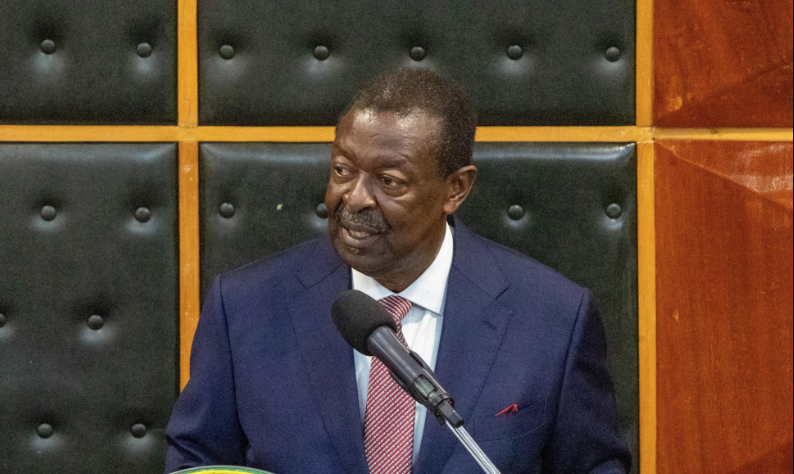
leaders, such as Prime CS Musalia Mudavadi and National Assembly Speaker Moses
Wetang’ula, still command the same grassroots influence they enjoyed in
previous election cycles.
While both
leaders occupy some of the highest offices in government and remain key pillars
of Ruto’s political alliance, critics argue that Sifuna’s visibility and direct
engagement with wananchi have enabled him to connect more effectively with
younger voters and those dissatisfied with the current administration.
Political
analyst Daniel Orogo says Sifuna has built a national profile that now rivals
some of the region’s veteran politicians.
“Through his
role as ODM secretary general and his frequent appearances on national
political platforms, Sifuna has become a prominent voice on key national
issues, earning admiration among many young voters and opposition supporters,”
he said.
He added that
the senator’s rise reflects changing political dynamics in the region.
“His growing
popularity has sparked debate about the shifting political dynamics in Western
Kenya, a region traditionally associated with seasoned leaders such as Musalia
Mudavadi and Moses Wetang’ula,” Orogo observed.
He is of the
view that if the Sifuna wave continues to gain momentum, Ruto may have to place
greater emphasis on Western Kenya in his 2027 campaign strategy.
Already,
indications suggest that Deputy President Kithure Kindiki remains the
frontrunner to retain his position as Ruto’s running mate in the next election.
However,
political observers argue that maintaining the current ticket may require the
President to find alternative ways of securing significant support from the
Luhya community.
Orogo says one
option could involve offering Western Kenya a more prominent role within a
future administration through senior government positions, strategic
appointments or major development commitments.
Yet, he
cautions that such a strategy may not be sufficient if Sifuna succeeds in
consolidating the opposition vote across the region.
Complicating
matters further is the emergence of a broader opposition alliance aimed at
challenging Ruto’s re-election bid.
Former Deputy
President Rigathi Gachagua has already signalled his willingness to support
whichever candidate is eventually selected as the opposition coalition’s
presidential flagbearer, including Sifuna.
Gachagua has
repeatedly stated that the opposition’s primary objective should be removing
the Kenya Kwanza administration from power, regardless of who carries the
coalition’s presidential banner.
Meanwhile,
support for Sifuna appears to be growing steadily in his Bungoma backyard.
Former Bungoma
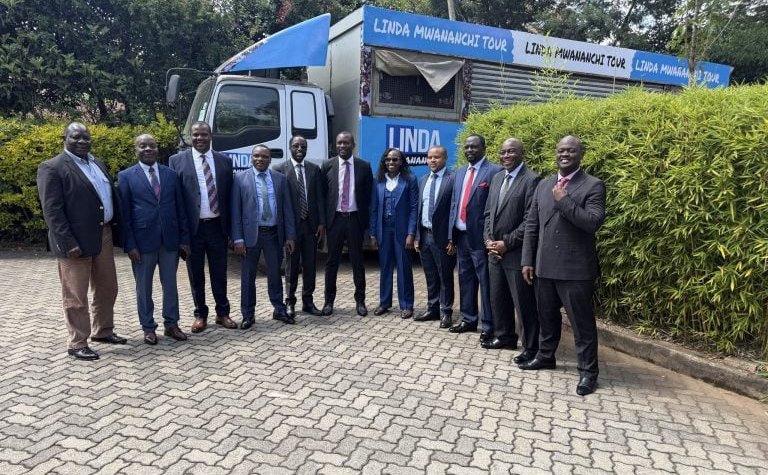
Deputy Governor Prof Charles Ngome, a supporter of the Linda Mwananchi faction
of ODM and the Tawe Movement led by Trans Nzoia Governor George Natembeya, says
leaders across Western Kenya are preparing to rally behind Sifuna.
“When he goes
to other parts of the country to seek support, we want to have his Western
backyard intact behind him,” Ngome said.
He said
Sifuna’s growing popularity has been fuelled by grassroots political movements
that have challenged the dominance of traditional regional leaders.
“We want to
thank Natembeya for starting a movement to reject the Kenya Kwanza
administration and its leaders from Western Kenya. That movement has been the
foundation of Sifuna’s popularity,” he said.
Ngome further
noted that many residents view Sifuna as a leader who articulates issues
affecting ordinary citizens and provides a fresh political alternative for the
region.
At the
national level, discussions are also emerging about the role Sifuna could play
in a broader opposition coalition.
Political
commentator Tony Gachoka recently suggested that Sifuna should consider
partnering with Wiper Party leader Kalonzo Musyoka in the presidential ticket.
Speaking
during the ‘Conversation with Manyora’ podcast, Gachoka argued that the
opposition should capitalise on Sifuna’s growing popularity.
“Why can’t we
have a Sifuna and Kalonzo Musyoka ticket? Then we have Sifuna as the running
mate of Kalonzo,” he said.
The
commentator praised Sifuna’s independent political character, arguing that he
would not be a passive deputy.
“Sifuna is not
a yes man. He will not be a yes Deputy President,” Gachoka remarked.