There was no visible advantage in choosing one over the other, no
greater sweetness, no shorter path, no rational reason to turn in either
direction. And so, the donkey stood still.
Unable to prefer the left bale to
the right, and unwilling to move without a reason, it remained trapped in
perfect indecision.
Hunger did not push it forward, neither did reason release
it. It hesitated, then froze and in the end died in the very middle of
abundance.
This was a thought experiment undertaken
in the 14th century by the French philosopher Jean Buridan. The
donkey’s error was not that it could not choose between the two bales.
It was
that it assumed that the bales will wait patiently for as long as it took him
to strike a pose of judicious deliberation.
However, hay is not patient. It is
perishable, the field is crowded and while one animal remains indecisive, the
others are eating.
Waiting is clever only while the thing you are waiting on
keeps its value. Change that, and the same caution that looked like wisdom
becomes a slow way to starve.
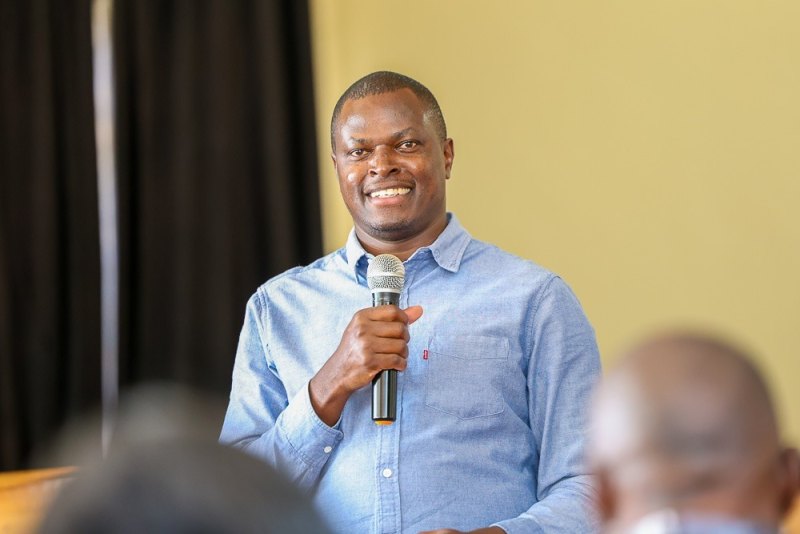
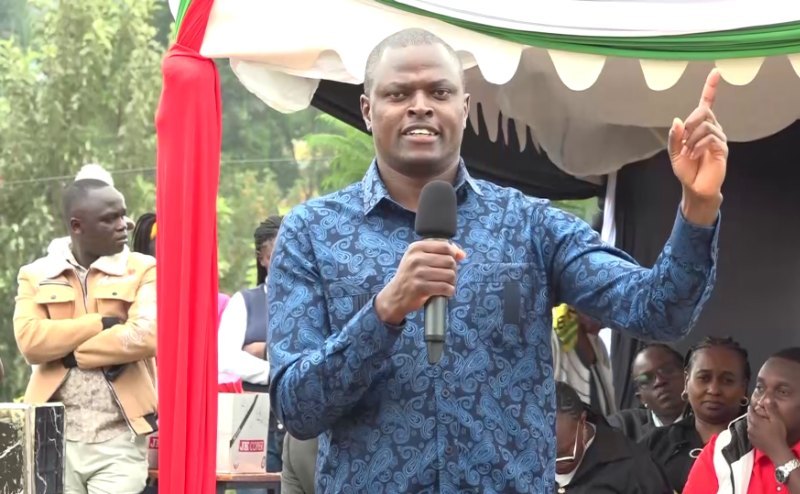
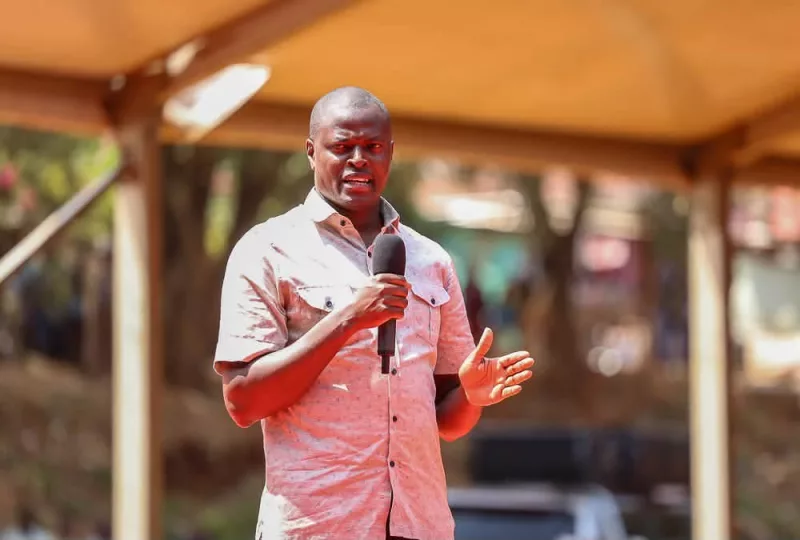
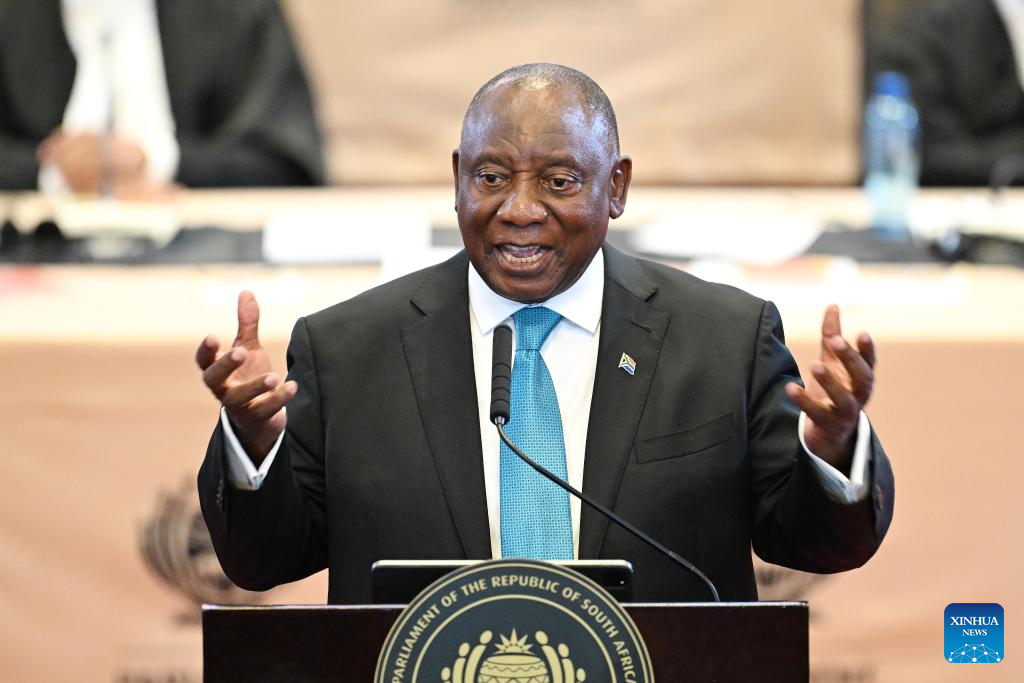
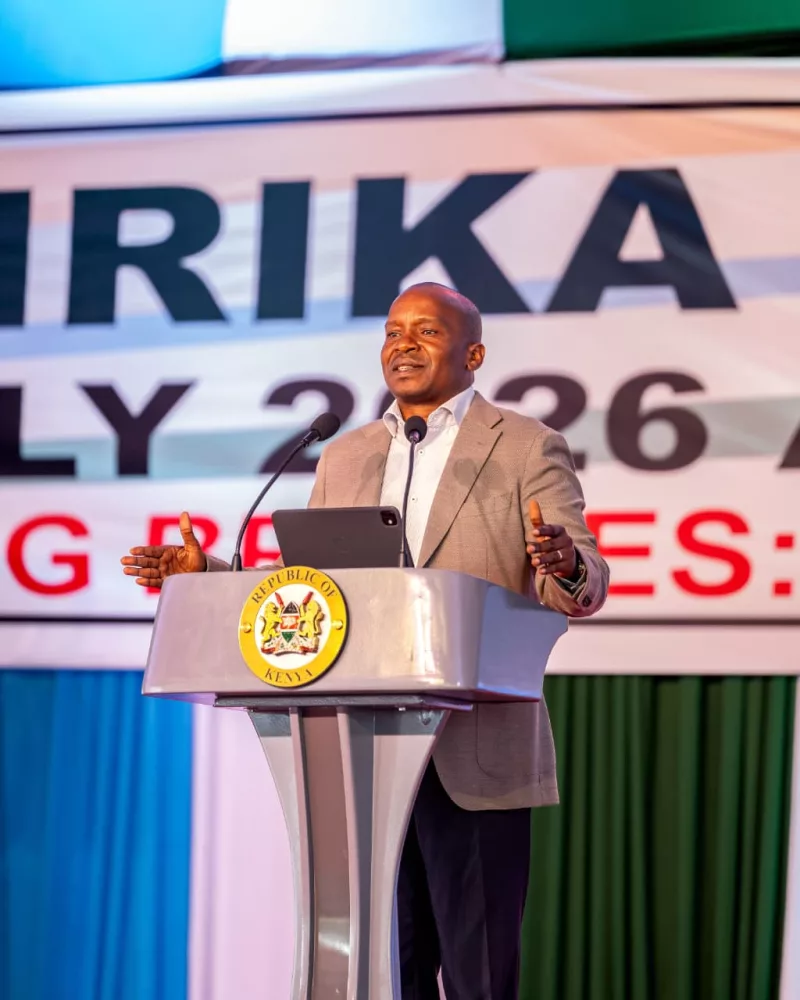
Which brings me to the MP for Kiharu,
Ndindi Nyoro, and to a strategy our politics has long mistaken for wisdom.
On June 18, the National Assembly passed
the Finance Bill 2026 at Third Reading by 122 votes to 40. Nyoro was not among
them.
This was not a small absence by an obscure backbencher. It was an absence
of a former chair of the Budget and Appropriations Committee, a politician who
has built a national profile as one of Parliament’s most vocal critics of
public borrowing and fiscal indiscipline, and who had opposed the same Bill at
Second Reading.
When
the vote that actually counted came, he was abroad, on engagements he says
could not be postponed. He later apologised and told us “nilikosea”. Then he
asked Kenyans to give him three to four weeks to tell them which side he is on.
There are apologies that close a matter,
and apologies that open a larger one. This was the latter. For the problem was no longer only that Nyoro
had missed a vote.
MPs miss votes all the time, sometimes for good reasons,
often for reasons that insult the intelligence of the people they represent. The
deeper problem was that his apology did not answer the question his absence had
raised. It sharpened it.
It would be a mistake to read this as a
lapse. It is the signature of a method. Nyoro is the mountain's most
disciplined fence-sitter, the lone ranger every camp courts and none can claim,
the man who says that the formations will all shift and that the smart move is
to decide at the end of 2026.
He has built a career on the one asset
Kenyan politics has always prized above policy. The option to go either way.
So, let’s read this for what it is. Our
politics are not organised around ideology, but around ethnic arithmetic. This
makes the uncommitted principal the most valuable man in the room.
Tribal
kingpins bid for him not for what he believes, but for the sheer credibility of
his threat to defect. Withholding commitment is the entire architecture of what
we have politely called negotiated democracy.
The trouble is that this
fence-sitting is beginning to decay, and with it, the usefulness of those who
refuse to choose.
Nyoro has spent the past fortnight standing
between two bales of hay. On one side sits the government from which he rose,
the political formation that gave him proximity, visibility and authority.
On
the other sits the rising public mood of discontent over taxation, borrowing,
cost of living and a political class that speaks with the people, but votes
with itself.
Nyoro has tried to stand exactly between the two, close enough to
power not to be expelled from it, and close enough to dissent not to lose the
applause of those outside it. His difficulty is that he now inhabits a
political middle that is not neutral ground, but quicksand.
That middle was always going to become
uncomfortable. The Finance Bill merely exposed it.
Begs the question. Did Nyoro request for a
couple of weeks to consult or calibrate?
There is a difference between consultation
and calibration. Consultation begins with a moral question of what is right,
what do my people expect, what does the moment require? Calibration begins with
a tactical question of where is the wind blowing, who is gaining ground, which
alliance is safer, which bridge must not yet be burned?
Nyoro’s problem is that he has become too
loud to be ambiguous. There are politicians who can drift because nobody
expects them to steer. He is not one of them.
His political brand has been
built as the man of numbers and budgets, the man who speaks on debt and
taxation at every public opportunity he gets.
That brand carried authority
precisely because, in a noisy Parliament, he appeared to understand the
machinery behind the noise. That is why his absence from a Finance Bill vote should
not be read as a diary conflict, but as a contradiction.
A politician who makes finance and fiscal
courage his pulpit cannot simply disappear when finance becomes a vote. When a
Finance Bill moves from debate to decision and then be absent when Parliament
turns fiscal choices into law, is not a small scheduling failure. It creates a
gap between rhetoric and record, and in politics that gap is where trust begins
to leak.
The deeper issue, however, is that Nyoro
is now an example of a wider Kenyan political habit of the desire to enjoy the
benefits of opposition without paying its costs.
Many leaders want to sound
independent without becoming isolated, to criticise government without becoming
its enemy, to be cheered by the streets without being locked out of the state.
They want the moral capital of dissent and the material convenience of
proximity.
This is the new fence-sitting. It is not
silence. It is selective noise. It is loud where noise is cheap and absent
where the record is permanent.
It gives speeches, not votes. It issues
statements, not signatures. It opposes in principle and disappears in
procedure.
For many years, this strategy worked
because Kenyan politics rewarded ambiguity. The parliamentary record could be
buried under harambees, funerals, development tours and tribal arithmetic.
A
politician could take one position in Nairobi, another in the constituency and
a third in private negotiation.
But something has shifted. The citizen has
become more archival. People now screenshot, count, compare and retrieve.
They
are less impressed by what a politician says after the fact, and more
interested in where he was when the division bell rang.
Nyoro has taken the heat because his
absence carried irony, but the shame is broader. Too many MPs have mastered the
art of being unavailable at the point of decision and available at the point of
explanation.
They miss the vote, then return to the constituency fluent in
outrage. They avoid the record, then compete for the microphone.
I concede that it is possible that Nyoro’s
absence could have been inevitable. Afterall, public life is full of competing priorities,
and not every absence is betrayal.
It is also true that a single vote, given
the numbers, would not have changed the outcome, even if Nyoro had voted No.
But his vote may have been symbolic.
And this is precisely the point. Politics
is symbolic especially when the outcome is already known. The vote that cannot
change the result is often the vote that reveals the person. It says I stood
here. I was counted here.
The tragedy for Nyoro is that he had an
opportunity to do something rare by making his absence small and his position
large. He could have said, I was wrong to miss the vote but let the record show
I oppose this Bill.
Although, it would not have erased the absence, it would
have ended the ambiguity. Instead, the apology came with a pause button.
Finally, my unsolicited advice is to
Nyoro. Leadership cannot always be instant. Serious choices require thought.
But there are moments when excessive thought begins to resemble evasion.
When
the house is burning, the firefighter does not ask for a couple of weeks to
decide whether water or petrol is the better intervention.
When the vote has
already taken place, the public anger already present and when your own apology
admits error, the question is no longer whether time is needed. The question is
what is time being used for?
Is it to reflect, or to hedge?
The Buridan paradox is not really about
donkeys. It is about the paralysis that comes from wanting a choice to make
itself.
The donkey starves because it waits for one bale to become more
obviously preferable than the other. It wants the world to remove the burden of
personal decisions. Many politicians do the same.
They wait for the crowd to
become clear enough, the polls firm enough, the coalition safe enough, the
betrayal deniable enough. Then, when the outcome is visible, they call it
principle.
It is not the critic who counts. The
credit belongs to the man who is actually in the arena – Theodore Roosevelt