

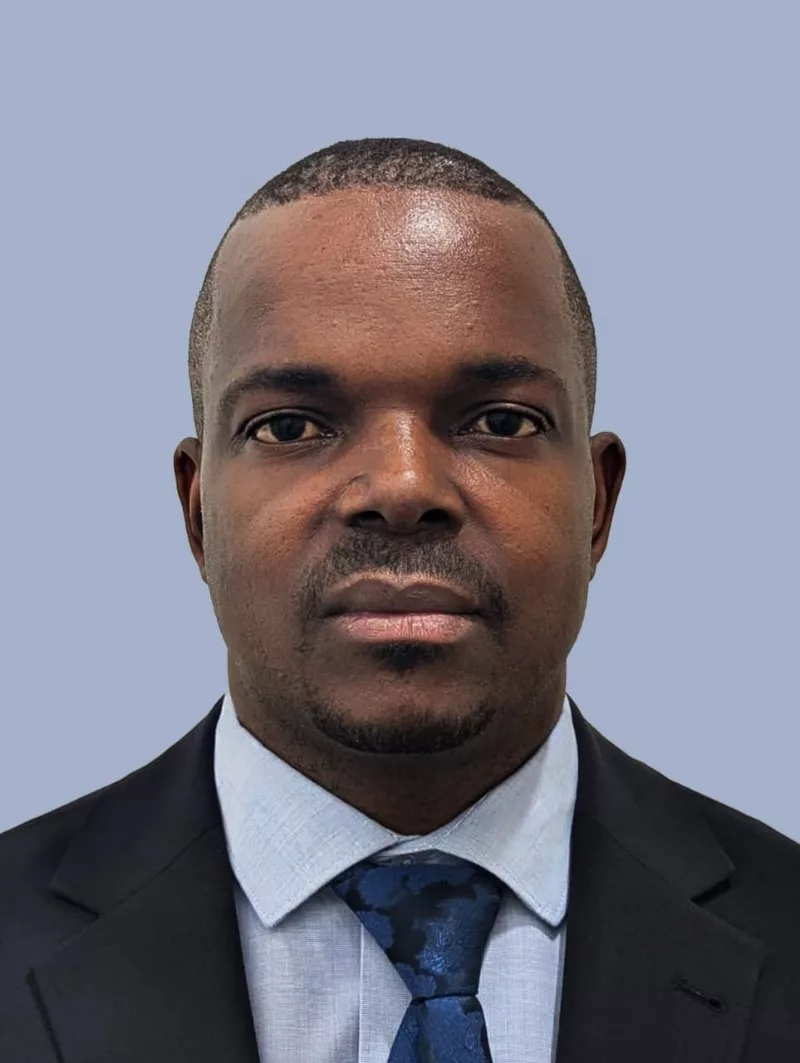
 Dr. Sitati Olando is a Delivery and PPP Expert, and is the Head of Government Delivery Unit in the Executive Office of the President, Kenya
Every morning, as the sun rises over Rombo, farmers begin harvesting tomatoes destined for markets hundreds of kilometres away. Further south in Njukini, livestock traders prepare for another day of business in a region where pastoralism remains a vital source of income.
A short drive away, the turquoise waters of Lake Chala shimmer beneath the shadow of Mount Kilimanjaro, offering visitors a glimpse of one of Kenya's most breathtaking yet least-known natural attractions.
At first glance, these stories appear unrelated. A crate of tomatoes. A herd of cattle. A tourist admiring a crater lake.Yet all three depend on the same thing: reliable connectivity.
For decades, communities along Kenya's southern frontier have lived amid immense economic potential not actualised.
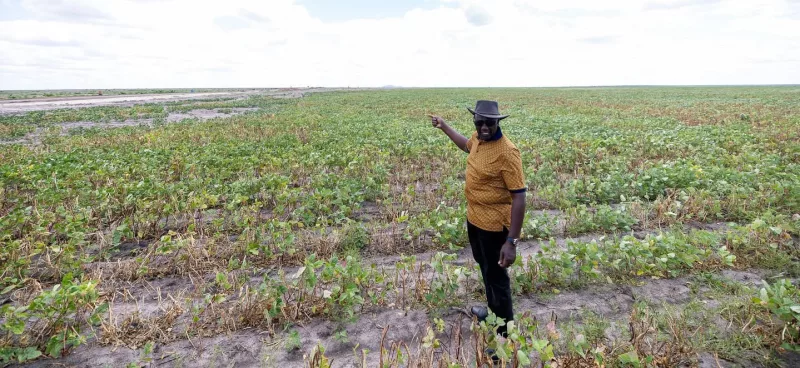
The region's fertile agricultural land supports horticultural production that feeds households and markets across the country. Its livestock economy sustains thousands of families.
Its location along the Kenya-Tanzania border makes it a natural gateway for trade and commerce. Its tourism assets rival some of the country's better-known destinations.
The challenge has never been a lack of opportunity. The challenge has often been ensuring that opportunity can move, connect with another opportunity.
A farmer may produce a bumper harvest, but poor roads increase transport costs and reduce profits. A livestock trader may find willing buyers, but unreliable connectivity can complicate access to markets.
A tourism destination may possess extraordinary natural beauty, but limited accessibility can keep it hidden from potential visitors. Some people travelling along the risky muddy road have been stuck mid-way and or lost lives altogether.
But opportunity must not only exist, but it must also be within reach. This is what such a road project makes possible. Not because of the asphalt itself, but because of what it enables.
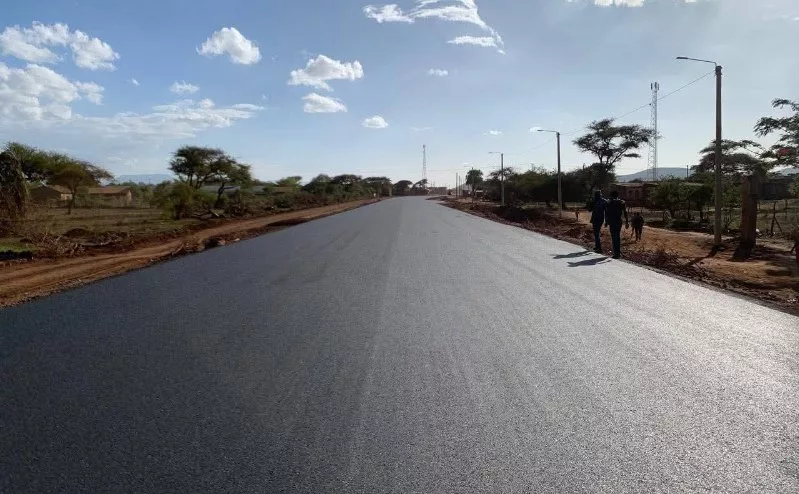
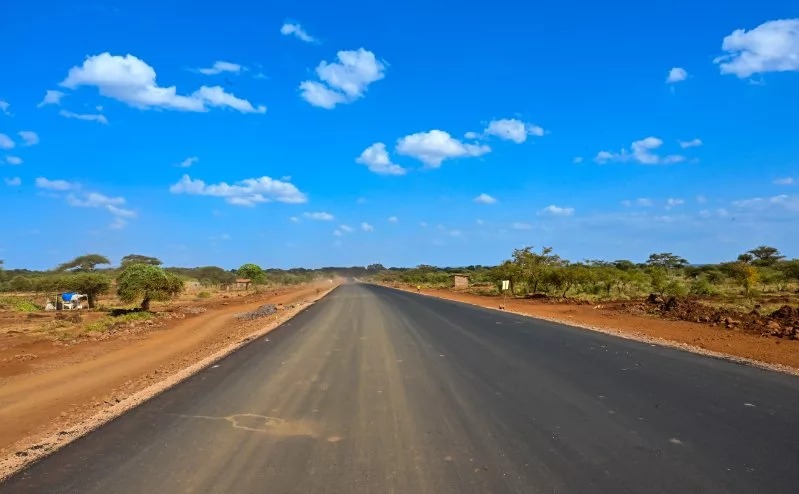
The ongoing construction of the 66km Illasit–Rombo- Challa-Njukini–Taveta road is helping unlock the economic promise of this corridor by improving the movement of people, goods and services.
Stretching across communities whose livelihoods
depend on agriculture, livestock, tourism and trade, the road is creating
stronger links between opportunity and those who stand to benefit from it.
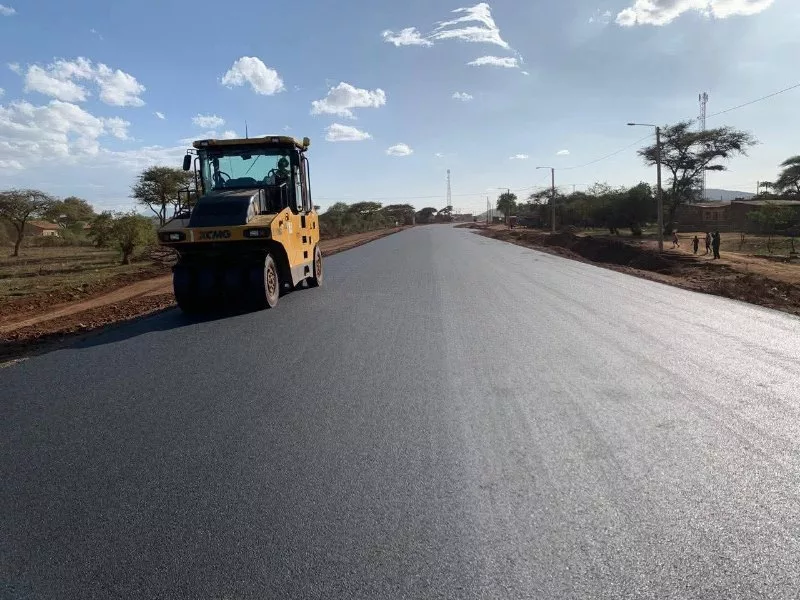 Trans County Illasit - Njukini - Taveta Road
Engineer Luka Kipchumpba Kimeli, the Director General of the Kenya National Highways Authority, observes that, the construction of this corridor will serve growing communities whose access to social services, markets and transport has long been constrained by poor road conditions. Therefore it will support both economic expansion and the mobility needs of residents, creating a more integrated and productive regional economy
It is helping strengthen a border region that has long served as a meeting point between Kenya and Tanzania. Borders are often viewed as the edges of nations. In reality, they can be among the most dynamic centres of economic activity. They bring together markets, cultures, businesses and communities. When supported by the right infrastructure, they become gateways to growth.
Tarmacking of priority trans-county roads does more than connect places; it connects opportunities, it enables transformation through safe mobility, it delivers inclusive growth.
This principle is reflected in Kenya's Bottom-Up Economic Transformation Agenda (BETA) championed by President Ruto, which recognises that shared prosperity is built by empowering each community to participate fully in economic activity, without marginalisation. Roads, electricity, water, irrigation, airports, railway, healthcare and digital connectivity are not isolated investments. They are tools for expanding opportunity and reducing barriers to growth.
The Illasit–Rombo- Challa-Njukini–Taveta Road embodies this vision. More importantly, this road is expected to ensure seamless connectivity with the Voi-Taveta railway line being rehabilitated, as well as the Voi Airstrip being upgraded. The ongoing revival and completion of the Oloitokitok Tomato Processing Factory, the local community and other key stakeholders anticipate completion of this critical road project ahead of schedule – it is doable.
For the tomato farmer in Rombo, it means a more reliable journey to market. For the livestock trader in Njukini, it means easier movement of goods and services. For Lake Chala, it offers the prospect of greater visibility and increased tourism activity. For Taveta, it strengthens its role as an important cross-border gateway linking Kenya to regional markets.
Together, these stories tell a larger story about development. One in which growth is not confined to major cities or established economic hubs. One in which frontier regions are recognised not as distant peripheries, but as engines of enterprise, trade and innovation. One in which infrastructure serves as a bridge between potential and prosperity.
Because sometimes, the most important role of a road is not where it takes people. It is the opportunities it brings within reach.
Dr. Sitati Olando is a Delivery and PPP Expert, and is the Head of Government Delivery Unit in the Executive Office of the President, Kenya
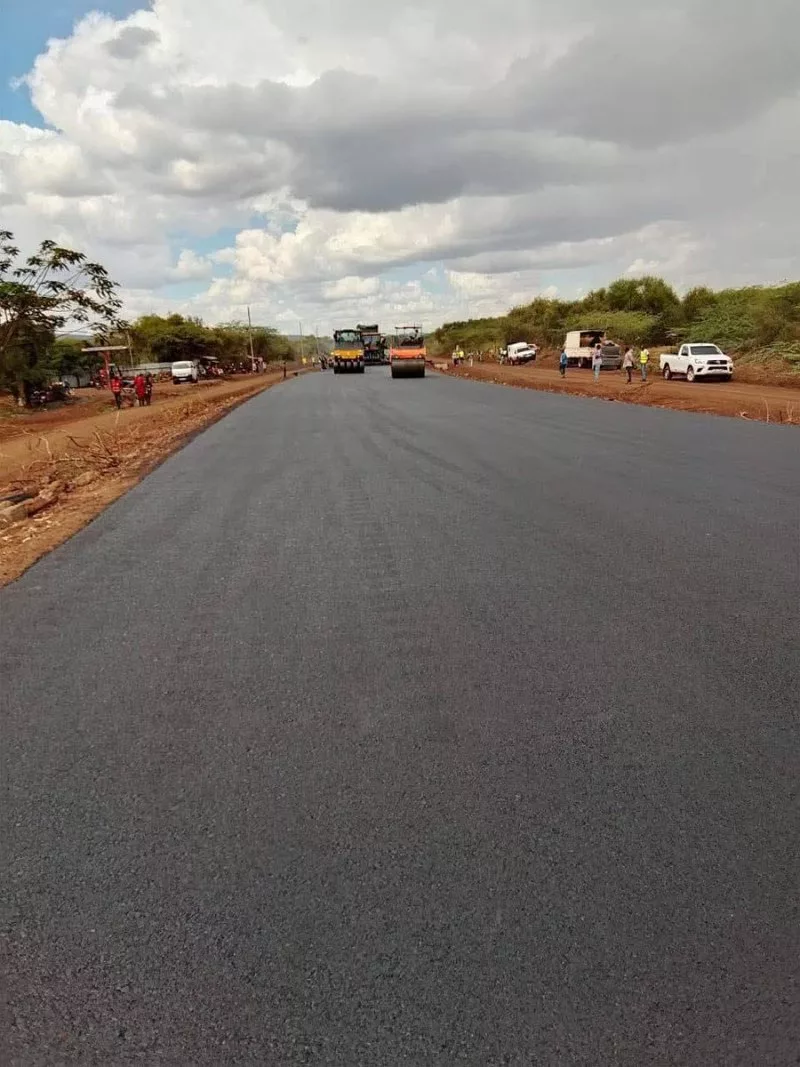 Trans County Illasit - Njukini - Taveta Road