According to the
2010 Constitution, a person qualifies for nomination as a presidential
candidate if the person (a) is a citizen of Kenya by birth; (b) is qualified to
stand for election as a member of Parliament; (c) is nominated by a political
party, or is an independent candidate; and (d) is nominated by not fewer than
two thousand voters from each of a majority of the counties.
A person is not qualified for nomination as a
presidential candidate if the person (a) owes allegiance to a foreign state; in
summary, the qualifications of a deputy president are similar to those of president.
Besides the above
qualifications there are other considerations being floated among them are the
potential flag bearers’ capacity to attract electors from their respective
strongholds and other regions and across the country.
These, along with the Gen
Z voting bloc are the emerging issues, which are key in selecting the opposition
presidential flagbearer.
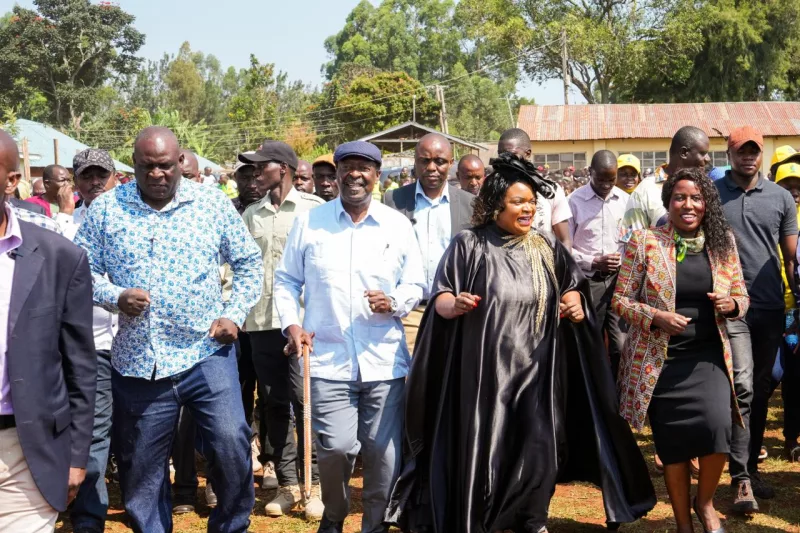
There are a
number of contenders that have been floated by the opposition coalitions. With
reference to the Kenya Kwanza coalition the die is cast that the candidate
shall be the incumbent President. In the yet-to-be-branded united alternative
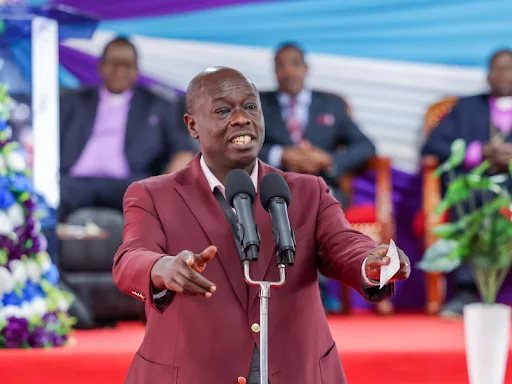
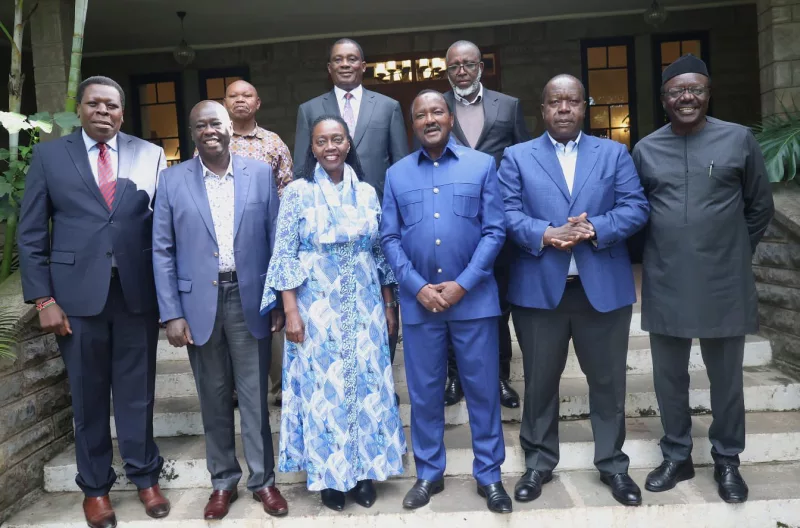
government, there are a number of potential presidential contenders.
They
include Kalonzo Musyoka, Martha Karua, Rigathi Gachagua, Fred Matiang’i, Eugene
Wamalwa, James Orengo, David Maraga, Justin Muturi, George Natembeya, Edwin
Sifuna, Okiya Omtatah and Boniface Mwangi. There is possibility there are
others waiting to throw their hut into the ring.
The responsibility
of identifying a flagbearer is in the hands of the respective coalition
parties. However, with the entry of other political stakeholders, their interests
have to be considered. Considering they shall have sway in the outcome of the
elections. With this development, the final decision inevitably become a shared mutual
responsibility.
The presidential
aspirants are being watched keenly by supporters. The way they will navigate through
this political journey shall ultimately determine their success or loss in the 2027
presidential and general election.
To have an
inclusive process and overcome this and share the responsibility herein is a formula
model to address that.
First, all
parties in the coalition are stakeholders they should therefore nominate
members to form a presidential aspirants’ electoral college. The conclave should
then select the potential contenders based on the model discussed herein.
The alternative or preferential vote model
is one that has been tried with success in several established and emerging
democracies. This is an electoral process where voters must express through
marking/selecting an order of ranking for each candidate listed on the ballot.
For one to be elected under the
preferential voting system, the potential presidential aspirant must obtain an
absolute majority (i.e 50 per cent plus one) of the total formal vote in the
count.
In the event none of the aspirants attains
an outright absolute majority that is 50 per cent plus one, the presidential
aspirant who has the lowest ranking in the initial count at that particular
stage, is excluded.
The subsequent excluded running mates’ ballots are then examined to determine,
and to physically transfer, that excluded running mates’ second preferences to
continuing candidates.
The process of excluding presidential aspirant
continues, until one presidential aspirant attains an absolute majority.
In the event that presidential aspirants
feel confident of winning the first preferential round then all aspirants could
opt for the optional preferential voting.
The optional preferential voting is similar
to alternative vote. However, a slight difference
In this system the electors mark the
preferences for candidates of their choice, but the elector or voter need not
mark/select preferences for all candidates listed on the ballot.
In an optional preferential election, a
candidate still requires to attain an absolute majority (i.e. 50 per cent plus
one) of the votes remaining in the count.
In the event where an elector/voter does
not show contingent preferences for each and every aspirant, the vote ballot is
deemed to “exhaust or deplete”. This is at the subsequent tallying there no
further preferences shown/selected.
So unlike in the
first the optional preferential voting system may be used to elect one or more
representatives.
The question then
arises what are the advantages of these model. First the winning aspirant is elected by a majority
of college electors. This ensures that all stakeholders have a faith in the outcome and the coalition
structures.
Secondly, the vote of every
participating elector counts towards deciding the eventual winner. This adds
value to the coalition selectors and supporters.
Third, the presidential
aspirant and their supporters, having signed the party code of conduct and agreed to be subjected
to the coalition rules, shall be obligated to support the winning presidential aspirant in the subsequent
electoral contest.
The
coalition, having conducted a credible running mate identification process, shall
gain favour among the
majority of electors, appealing even to those who are not members.
Fifth
the costly dispute resolution process shall be minimised. This shall culminate
in saving enormous
resources in both in terms of energy and time.
This outlined
model is a step towards coalition democracy, in an endeavour to treat power
structures which are threatened by the political class.
The archetype presents
an opportunity for coalitions to showcase their home-grown democracy. The
lessons learned may eventually lead to the adoption of the model at the party
primaries, trade unions, member associations, chambers of commerce, farmer
organisations, clubs and associations, sports clubs, and schools.
Once the
architecture of the system is well articulated, the same could be cascaded for
adoption at the general and presidential elections. In particular, the model
could potentially avoid a run-off which would split the country down the
middle.
Globally, there is
no election model in the democratic world which is perfect. The key to a democratic, free, credible,
accountable and verifiable election process is confidence among all stakeholders.
The writer is a governance and election practitioner









![[PHOTOS] Linda Mwananchi takes Trans Nzoia by storm](https://cdn.radioafrica.digital/image/2026/07/0d132395-ad4b-4671-867e-880c9f8144f5.webp)