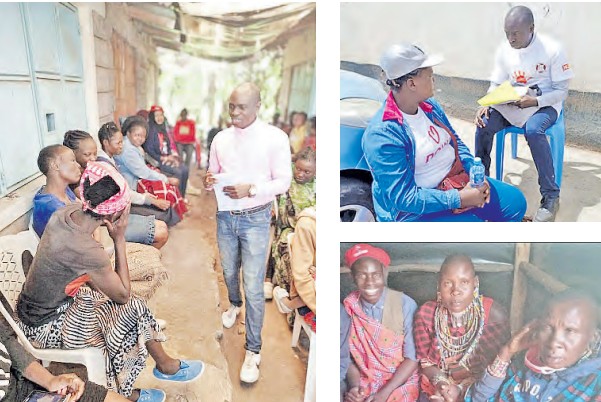
Activist Dennis Orengo has for many years fought for justice
of mothers whose sons are killed by the police.
Now he has another cause;
standing up for widows being harassed by relatives and powerful members of
society.
In 2019, Orengo was in a chama group with a woman who became
widowed and after the group helped her bury her husband, her in-laws ganged up
to disinherit her.
They took away her children and property. Not long after,
she died by suicide.
The 34-year-old told the Star the couple lived in the city
and before the sudden death of the husband, they had a good relationship with
the family.
Once the man was buried in Lambwe, Homa Bay county, her
in-laws took away her three and five year-old sons.
“The woman came back to Nairobi and hanged herself. These
incidents made me angry as a human rights defender and I started to document
cases of widows who lose their land and properties,” the passionate activist
said.
It is this experience, among others, that jolted Orengo into
advocating for widows’ rights.
Before the 2019 incident, he said, together with his
friends, they had gone to a home for the elderly in Kikuyu for a charity event.
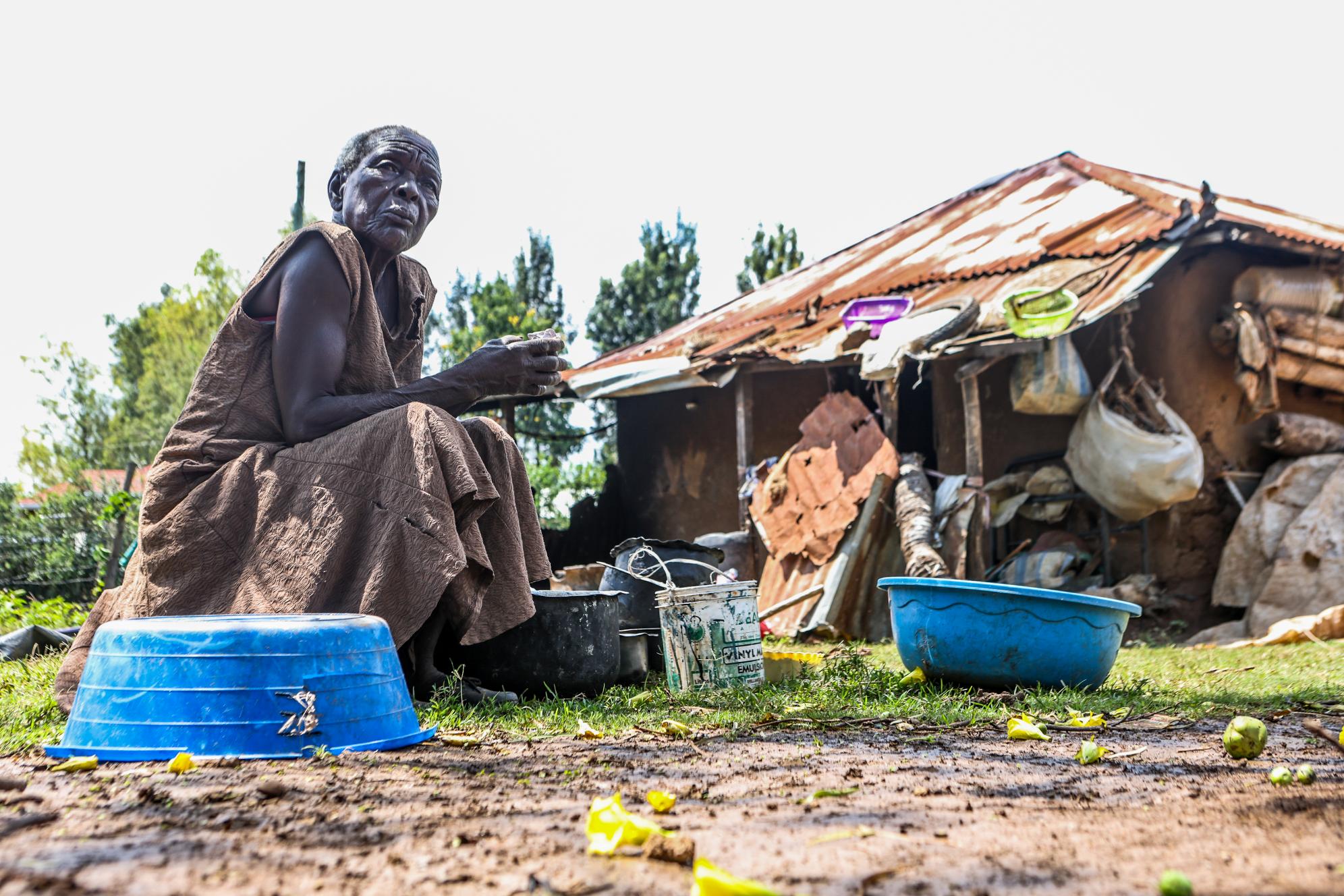
One of the elderly women at the facility narrated how her
home was burned down and she lost everything.
Since her life was in danger, well-wishers took her to the
home for the elderly for security.
These encounters pushed him to agitate for the rights of the
widows and the harassment they suffer at the hands of in-laws and other
ill-intentioned members of society.
Orengo said he has 313 such cases. But because they drag for
long in courts, he prefers taking the helplesswomen’s cases through the
court-annexed mediation process.
And because he has a problem finding pro bono advocates to
represent the women, Orengo enrolled for a law degree at the University of
Nairobi, and is almost finishing.
His passion for activism started when he was still a boy.
Growing up in Mathare, some of his childhood friends would
be arrested over how they dressed and whom they hang out with, while others
would be killed.
To evade arrest, he would go to construction sites to avoid
being seen in a group of young men.
“But with time, I realised this was not sustainable.
Avoiding evil or injustice is not the solution. Confronting it was the best
solution.”
One day, he approached a mother whose son had been shot dead
by police for allegedly being a criminal.
He encouraged the woman to report the case at Fida offices.
“We went to Fida offices and the case was documented. Many
women came to me asking to be taken to the offices to report their missing sons
or those killed or arbitrarily arrested. With more cases, my violation
documenting journey and activism took off, and I have never looked back,”
Orengo said.
Besides focusing on extrajudicial killings, he has a soft
spot for persons with disabilities, widows, children and families and victims
of police abuse of power.