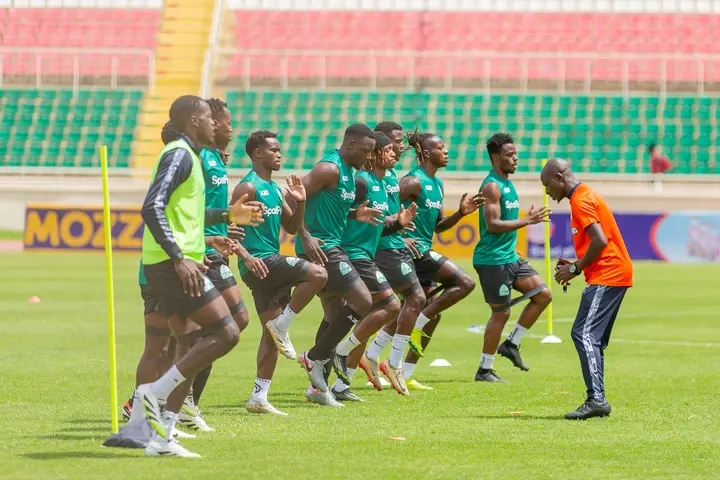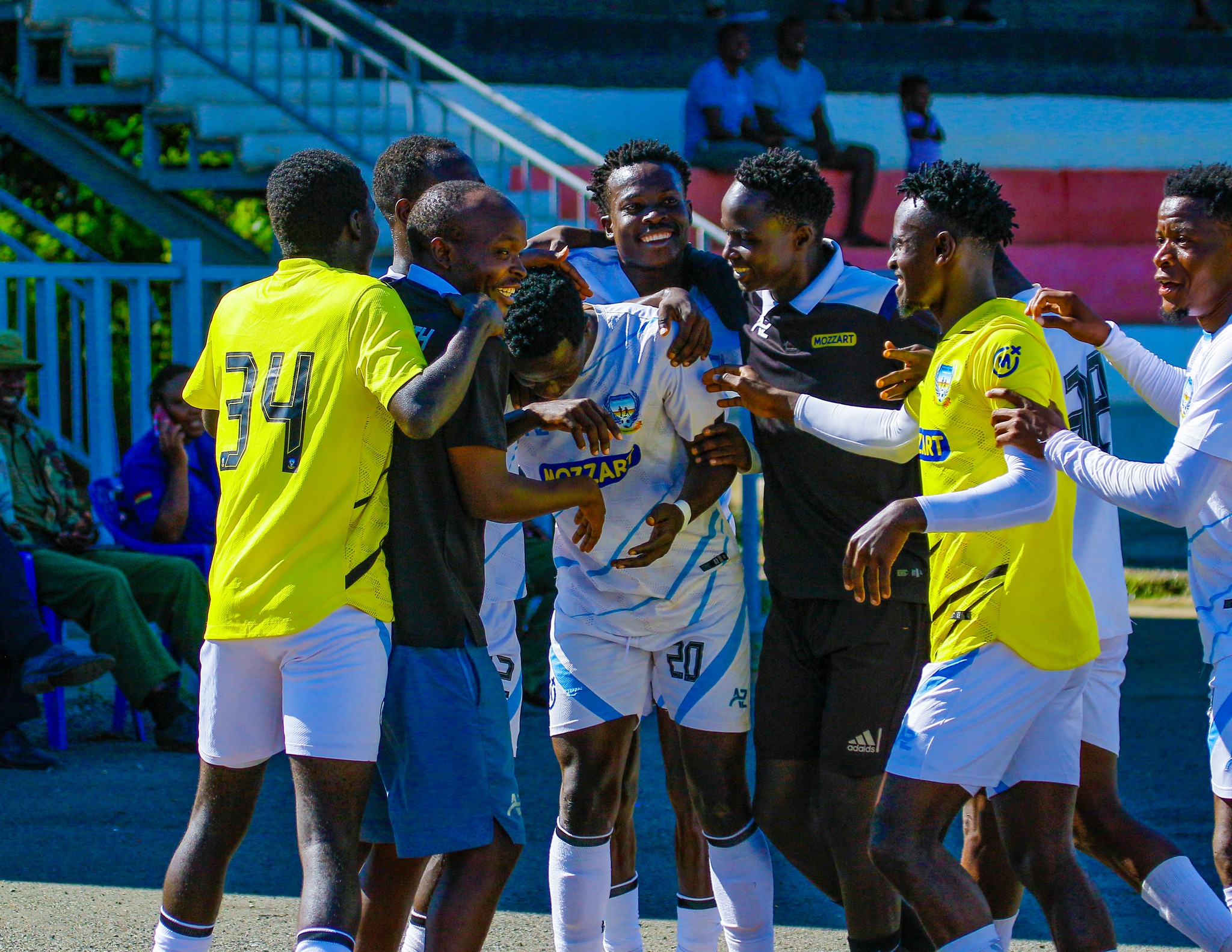


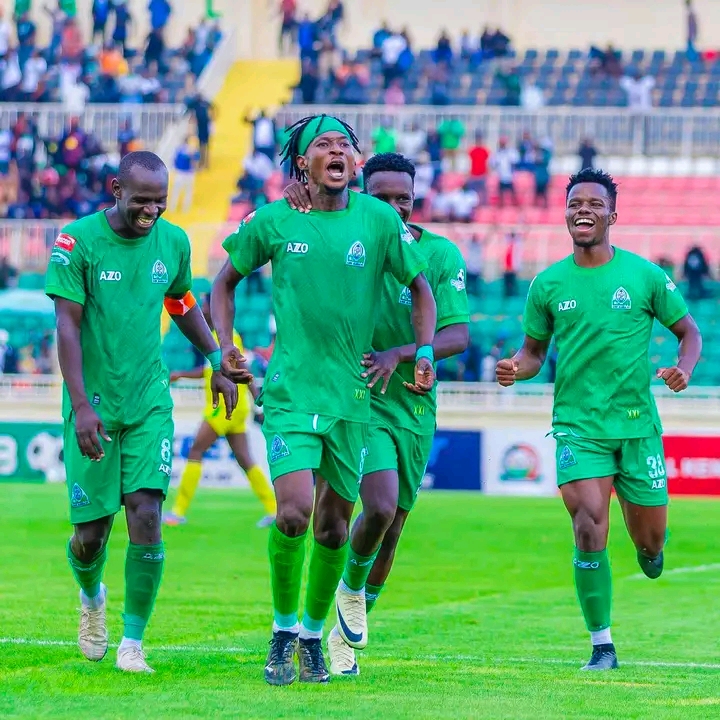
 Gor Mahia players Enock Morrison, Fidel Origa, Alpha Onyango and Ben Stanley celebrate in a past league match/HANDOUT
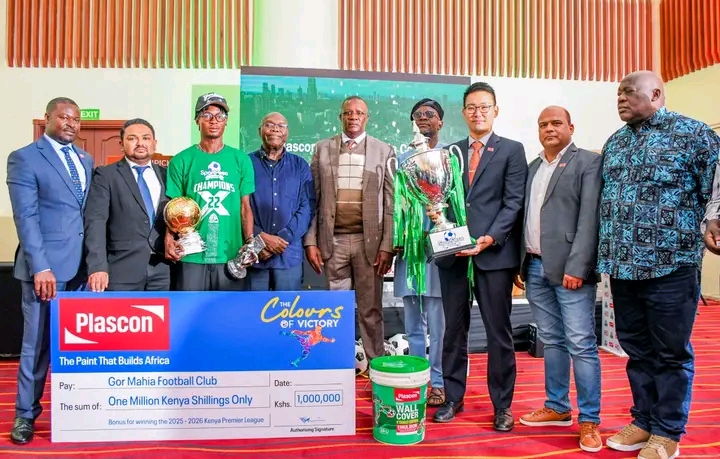
 Gor Mahia’s record-extending 22nd FKF Premier League title is another affirmation of their long-standing dominance in Kenyan football.
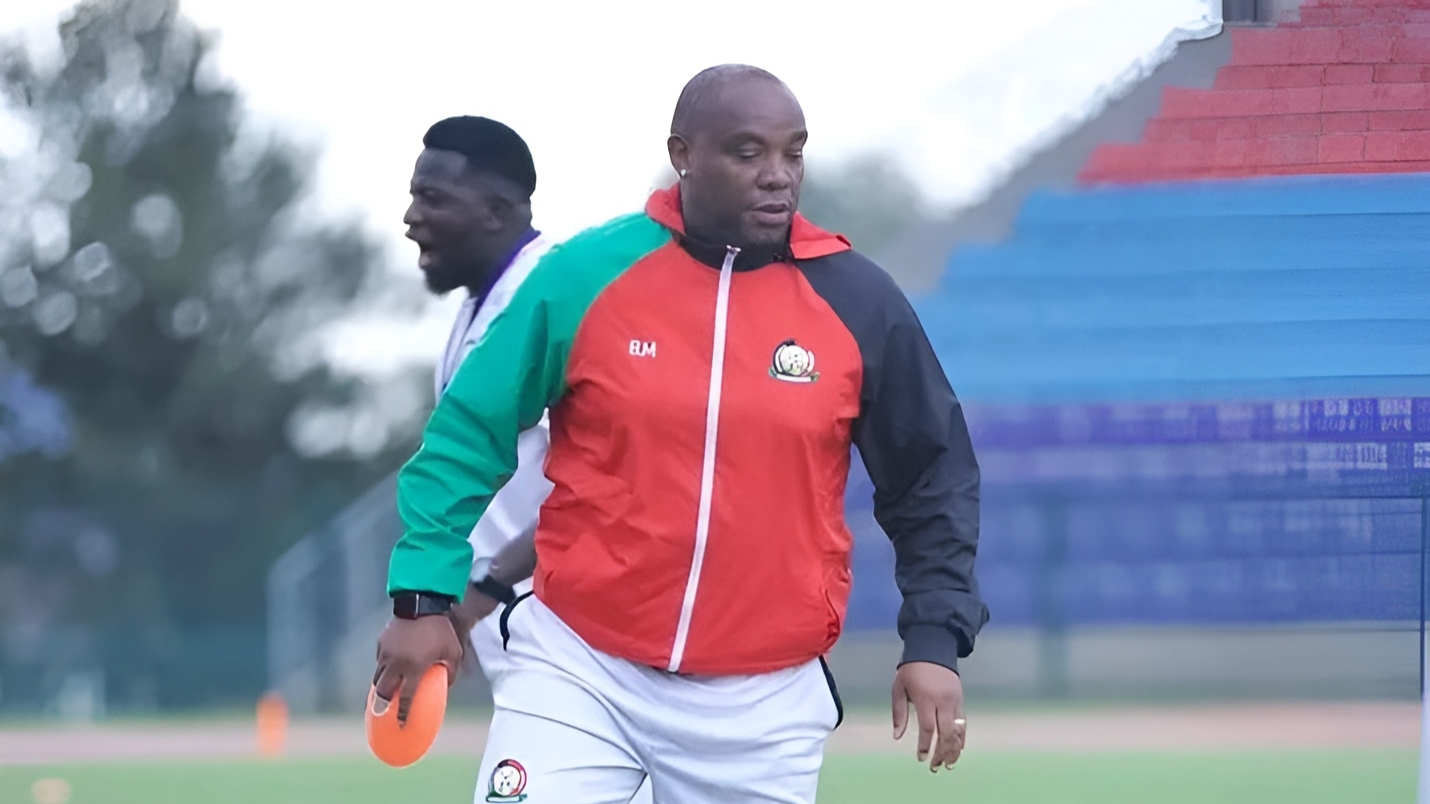
Under coach Charles Akonnor, K’Ogalo moved with authority, stitching together discipline, endurance and composure across a long, unforgiving season to reclaim their familiar perch at the summit.
This was not a title gifted by circumstance. It was earned over months of pressure, expectation and competition, with AFC Leopards among those who pushed hard to disrupt Gor Mahia’s rhythm.
In the end, however, the champions’ depth, experience and capacity to deliver in decisive moments proved decisive.
For Gor, the triumph carries significance beyond domestic bragging rights. It opens another chapter in continental football, as they prepare to represent Kenya in the CAF Champions League — a stage where the country’s clubs have often struggled to translate local dominance into sustained success. The hope, once again, is that this iteration of K’Ogalo can narrow that gap.
Yet even as celebrations unfold, the wider picture of Kenyan football remains difficult to ignore. The 2025–26 season offered a study in contrast: genuine progress in certain areas, set against enduring structural weaknesses that continue to limit the league’s development.
There were, undeniably, encouraging shifts. The return of top-flight matches to free-to-air television through partnerships involving KBC Channel 1 and Metropol TV restored visibility to a league that has often operated in the shadows. For supporters across the country, the ability to follow matches without paywalls represented a small but meaningful reconnection with the domestic game.
Similarly, the introduction of digital ticketing via LangoPass marked an important step towards financial accountability. For years, Kenyan football has been dogged by concerns over gate revenue leakage and opaque collection systems. The move towards digitisation, combined with continued sponsorship from SportPesa, suggested a league slowly learning to present itself as a credible commercial product.
But these gains were repeatedly undermined by familiar problems. Stadium infrastructure remains the most visible constraint. Throughout the season, multiple clubs were forced to abandon their traditional home grounds due to closures and renovations, turning home fixtures into logistical exercises rather than sporting advantages.
The consequences were predictable: higher travel costs, diminished attendance, and weakened match-day revenues. For community-based clubs especially, the financial strain was significant.
Gate collections remain a lifeline, and when supporters are asked to travel long distances or play “home” matches in unfamiliar venues, the bond between club and local fan base inevitably weakens. What should be a foundation of identity becomes a temporary arrangement of convenience.
Alongside infrastructure challenges, governance disputes continued to shape the season. Recurring disagreements over league decisions frequently escalated to the Sports Disputes Tribunal, exposing the fragility of administrative consensus in the game.
While legal recourse is a legitimate feature of modern sport, the frequency of such interventions raises questions about institutional stability. The issue of officiating added another layer of unease. Persistent complaints from clubs about refereeing decisions, coupled with periodic allegations of manipulation, have created an atmosphere in which trust is easily eroded and difficult to rebuild.
Whether all claims are substantiated or not, perception alone has become a problem—one that affects credibility, investor confidence and fan engagement.
Taken together, these issues point to a league that is evolving unevenly: commercially improving in some respects, but institutionally strained in others.
As attention turns to the next season, there is growing pressure on football authorities to move beyond diagnosis and into reform. One recurring proposal is the creation of an independent league management structure with greater autonomy from the federation.
The argument is straightforward: a professional league requires professional governance, insulated from the political and administrative tensions that have long characterised Kenyan football.
Equally urgent is the need for a coordinated infrastructure strategy. Stadium renovation is necessary, but without clear planning, it risks repeatedly destabilising the competition.
A structured national calendar, with designated alternative venues, would help prevent the disruption that has defined recent seasons. Officiating, too, requires systemic attention. Strengthening referee development, introducing independent performance reviews, and enhancing accountability mechanisms would go some way towards restoring confidence in match outcomes. Without such reforms, suspicion will continue to shadow the league.
Gor’s success, in this sense, stands as both celebration and warning. It demonstrates what is possible within Kenyan football — talent, organisation and ambition working in alignment. But it also highlights the uneven environment in which that success is achieved.
The challenge now is not to admire the champions alone, but to ask whether the structures around them can sustain competition at the same level of excellence. Until that question is addressed, every triumph will carry a dual meaning: proof of progress and reminder of what remains unfinished.