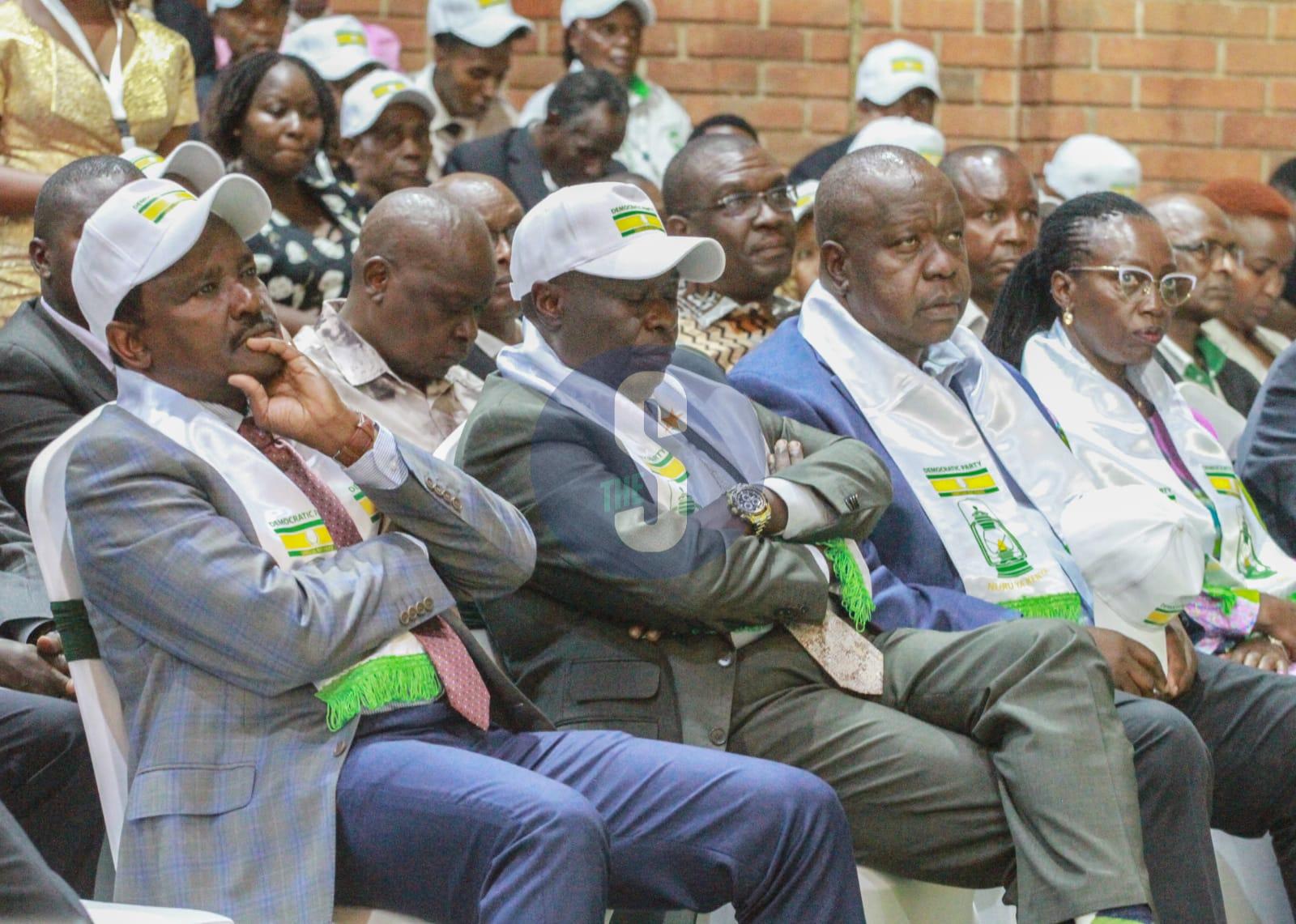
Members of the National Assembly’s Energy Committee on Tuesday
cautioned that the move could slow down critical electricity connectivity and
power generation projects across the country.
The lawmakers questioned the rationale behind the sharp
reduction during scrutiny of the 2026-27 budget estimates, arguing that the
energy sector remains central to Kenya’s industrialisation agenda and economic
growth.
From the budget documents, Sh47 billion is from projects
under the State Department for Energy, while Sh8 billion is for projects in the
State Department of Petroleum.
Affected agencies include Electricity Generating Company
(KenGen), Kenya Power, Kenya Electricity Transmission Company (Ketraco)
and Geothermal Development Company (GDC).
“Mr CS, I would like to ask you, are we not rushing this
process? We have budget cuts in the energy sector of Sh 47 billion. What I am
worried about is whether the National Treasury followed due process in doing what
they are doing at the moment,” Narok East MP and committee vice chairperson
Lemanken Aramat posed.
Nambale MP Geoffrey Mulanya questioned whether Treasury
shared the policy document with the committee before the decision.
“These cuts are affecting key development in various
agencies, like electricity. Are you saying that this sector is not important, and
that is why you are taking it elsewhere? Also, tell us what the staff are
supposed to do. re we just going to pay salaries for people sitting in the
office doing nothing?” he said
Embakasi South MP Julius Mawathe cautioned against diverting funds from key sectors to a fund that is yet to be fully
operational.
“The issue of public participation is serious. Did you
notify members of the public about this, because you have taken almost 80
per cent of all the development funds and taken them somewhere else? Is this how
you will be running the government?” he stated.
However, the National Treasury defended the cuts, explaining
that several projects under the energy sector had been classified as
commercially viable and would now be financed through NIF instead of direct exchequer allocations.
The recently created fund is a corporate entity which serves
as the central vehicle for financing priority commercially viable public
infrastructure projects.
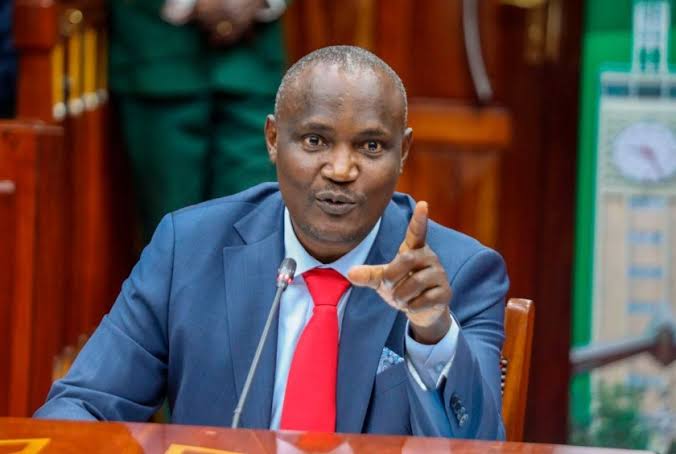
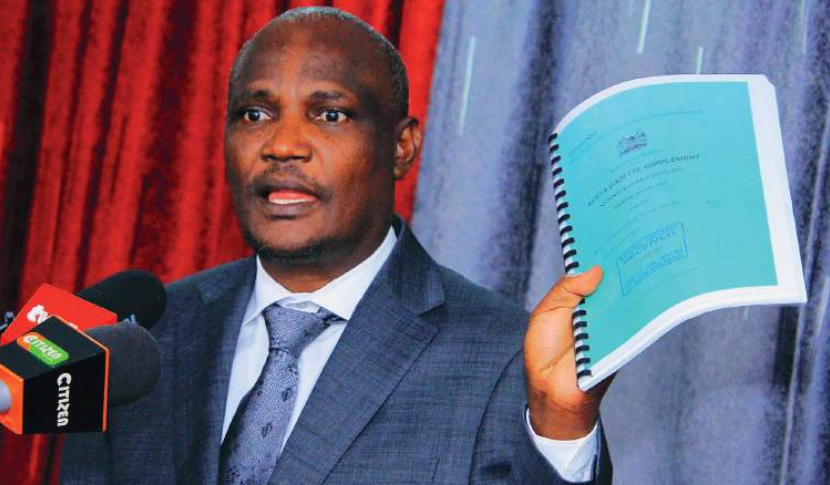
Treasury Cabinet Secretary John Mbadi told MPs the shift was
part of a broader strategy to reduce pressure on public debt while attracting
alternative financing models for infrastructure development.
“We have moved the projects out of the budget and into the
National Infrastructure Fund. We allow the SAGAs to implement the projects on
their own balance sheet,” Mbadi explained.
The CS also dismissed claims that the move could slow down the electrification programme in the country, saying it will continue.
“The projects will still be implemented, only that the mode
of financing is being removed from the traditional budgetary way to a
system where it can be funded on the
balance sheet, or through the National Infrastructure Fund, in which case, the
fund is only funded through the seed capital that is coming from privatisation,”
Mbadi stated.
The legislators, nevertheless, demanded clarity on how the
projects would be implemented under the new financing framework, amid fears that funding delays could affect ongoing rural electrification and
renewable energy programmes.
INSTANT ANALYSIS
Members of the National Assembly’s Energy Committee on Tuesday
cautioned that the move could slow down critical electricity connectivity and
power generation projects across the country. According to the budget documents, Sh47 billion is for projects under the State Department for Energy, while Sh8 billion is for projects in the State Department of Petroleum.