A group of Kenyans has petitioned Parliament, seeking a
review of Kenya's succession laws.
The petitioners want the National Assembly to amend the Law of Succession Act to introduce stricter timelines for resolving inheritance disputes, simplify probate procedures and provide alternative mechanisms for settling family disagreements outside court.
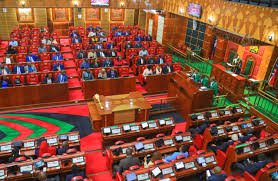
“The petitioners state that succession procedures under the current legal framework are complex, costly and inaccessible to ordinary citizens,” National Assembly Speaker Moses Wetang’ula informed MPs on Wednesday.
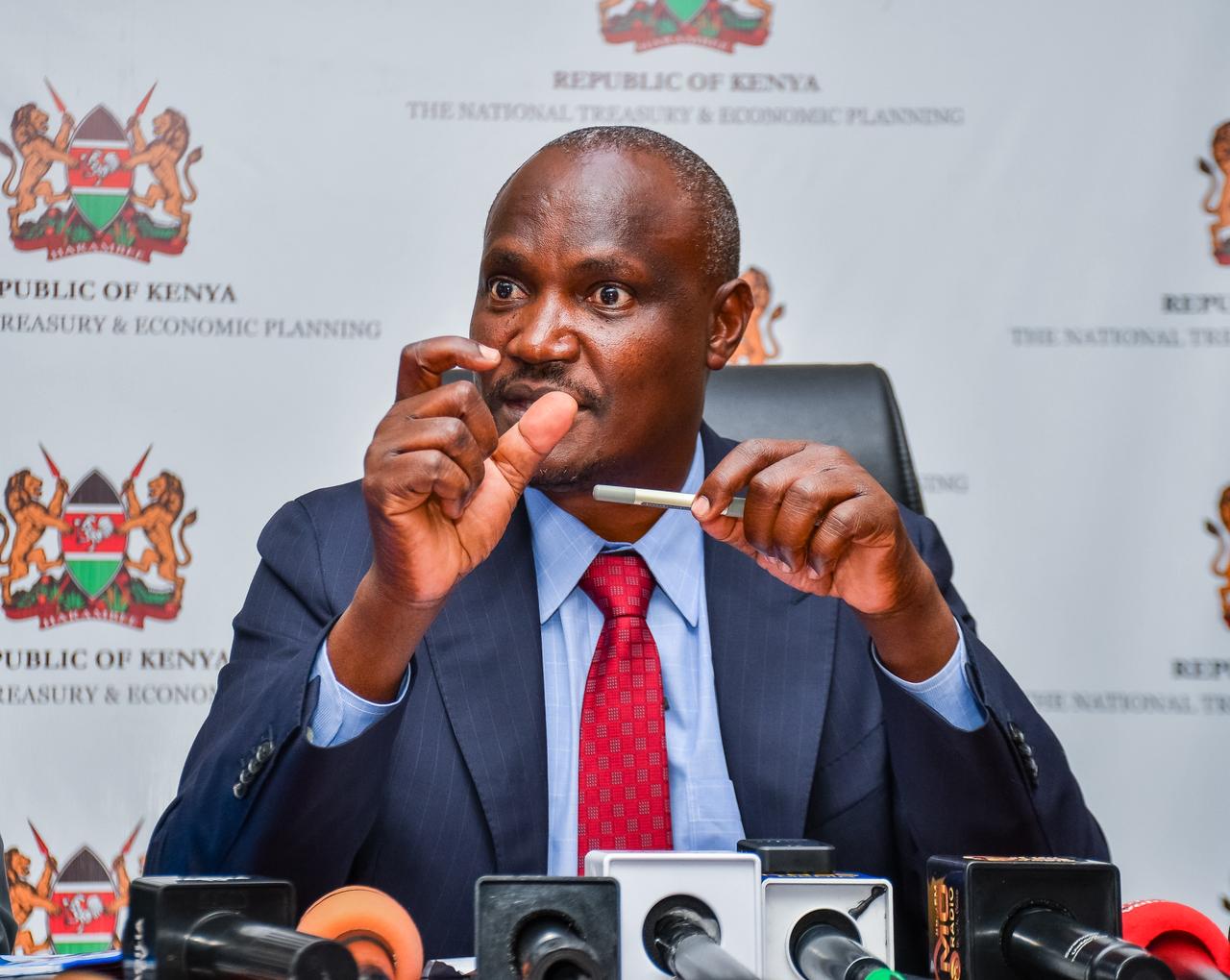
The petition was filed by former Taita Taveta Governor John Mruttu and 22 other petitioners.
The petitioners say current legal framework has
left thousands of families unable to access inherited property for decades.
They say lengthy court processes, family disputes and procedural bottlenecks have
resulted in many estates remaining undistributed long after the death of
property owners, denying beneficiaries their rightful inheritance.
This leads to economic hardship for dependents and leaves valuable assets idle, they argue.
The petitioners say a substantial proportion of productive assets, particularly land, remain locked in the names of deceased persons because families are unable to complete succession proceedings.
They argue that reforms would help reduce the backlog of
succession cases and ensure beneficiaries access inherited property within a
reasonable period.
The petitioners argue that the process involves multiple stages,
including court filings, gazettement, legal representation, valuation and land
registry procedures, all of which create barriers for many families seeking to
transfer ownership of estates.
They further contend that delays in succession have broader economic
consequences, including limiting access to credit, reducing agricultural
productivity and slowing investment.
The petition notes that assets tied up in unresolved
inheritance cases cannot easily be used as collateral for loans, transferred to
beneficiaries or developed for productive purposes.
This, the petitioners say, has contributed to increased land
disputes, pressure on the Judiciary and inefficiencies in property markets.
While acknowledging that succession is primarily governed by
the Law of Succession Act, the petitioners argue that the existing legal and
administrative framework has failed to provide affordable, timely and
accessible services to ordinary Kenyans.
They cited international best practices, saying countries
that have adopted simplified succession procedures, administrative settlement
mechanisms, decentralised probate services and digital systems have recorded
better outcomes, while protecting the rights of beneficiaries.
The petitioners are now urging Parliament to initiate a
review of the Law of Succession Act to introduce simplified procedures for
small estates and allow administrative settlement of uncontested inheritance
cases.
They are also seeking the expansion and decentralisation of
probate services across the country to make them more accessible to citizens
outside major urban centres.
In addition, the petition calls for a review and
rationalisation of costs associated with succession proceedings, greater
digitisation and integration of succession, civil registration and land
administration systems, as well as stronger mediation and alternative dispute
resolution mechanisms.
Speaker Wetang’ula said he had determined that the matters
raised in the petition fall within the mandate of the National Assembly and
consequently referred it to the Public Petitions Committee for consideration.
The committee chaired by Runyenjes MP Muchangi Karemba is
expected to investigate the issues raised and submit its findings and
recommendations to both the House and the petitioners in line with
parliamentary procedures.
The report, if adopted, could significantly change the way
inheritance matters are handled in the country.
It could also go along way in unlocking billions of
shillings worth of land and other assets that have remained tied up in
unresolved succession cases for decades.













![[PHOTOS] Red carpet in Pretoria as Ruto begins South Africa visit](https://cdn.radioafrica.digital/image/2026/06/abe3e750-6e5a-4394-a45c-899768be6240.jpeg)