CS Duale right, no need to consult on Ebola
Election is the foremost public participation exercise
1mon agoJosephine MayuyaOpinion
The organisation moved to reassure the public that the Nairobi facility poses no health risk to residents.


Audio By Vocalize
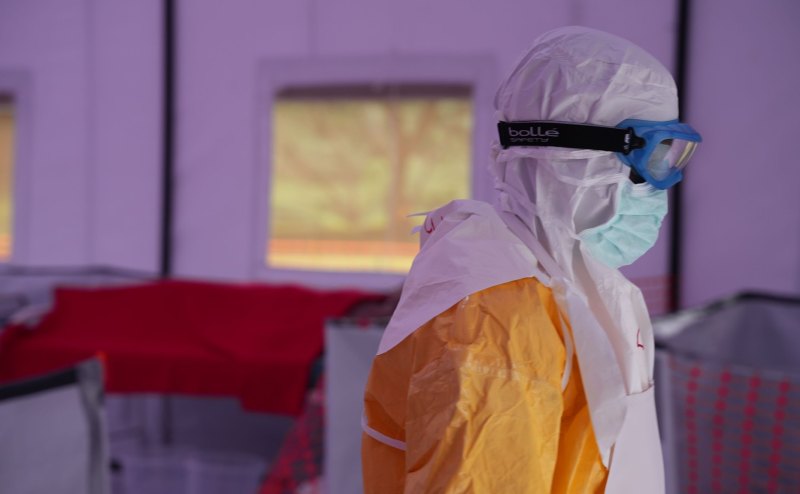 A health specialist inside the Ebola simulation centre in Nairobi/MSF
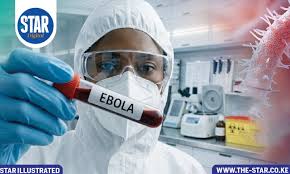
Médecins Sans Frontières (MSF), also known as Doctors Without Borders, has established an Ebola Simulation Centre in Nairobi to strengthen regional preparedness and response capacity amid the ongoing Ebola outbreak in the Democratic Republic of Congo (DRC).
A simulation centre is a specialised training facility where people practise real-life situations in a controlled, safe environment using realistic scenarios and equipment.
The temporary facility will train healthcare workers and emergency responders who are expected to support Ebola response operations in the DRC, where authorities continue to battle an outbreak caused by the Bundibugyo virus.
MSF said in a statement that the centre will initially focus on preparing experienced medical personnel for deployment to affected areas before expanding training opportunities to Kenya’s Ministry of Health and other partner organisations involved in outbreak response.
“Preparedness saves lives. Training healthcare workers before deployment to outbreak settings is essential to ensuring a safe, effective, and timely response,” said MSF Project Coordinator Angela Thiongo.
“Our goal is to strengthen our capacity to respond where needs are greatest while protecting both patients and healthcare workers,” she added.
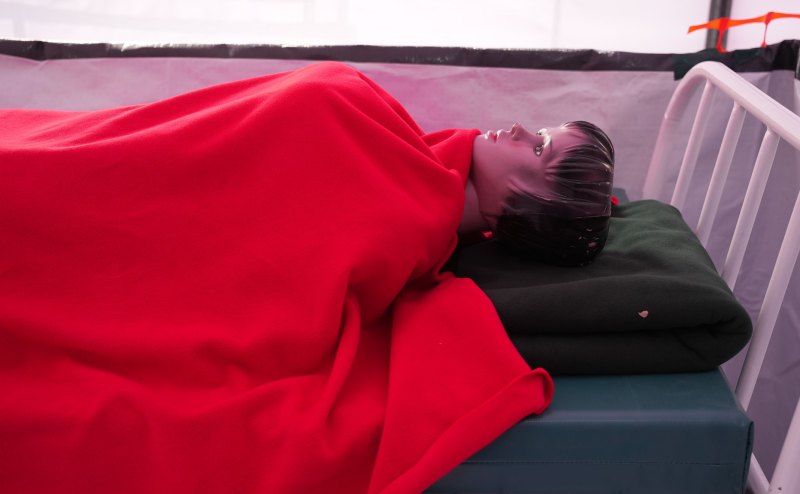 A dummy used in Ebola simulation process inside the center in Nairobi/MSF
MSF has been supporting efforts to contain the outbreak in the DRC since May 2026.
The humanitarian organisation warned that the situation remains a major public health emergency, complicated by the nature of the Bundibugyo strain, which has limited medical tools available for diagnosis and treatment.
To rapidly build a pool of trained responders, MSF will conduct a series of intensive two-day clinical workshops at the Nairobi facility from June 15 through August 2026.
The training programme follows similar sessions recently held in Brussels and is designed to prepare participants for rapid deployment to outbreak hotspots in the DRC and neighbouring Uganda.
Through realistic simulations and practical exercises, healthcare workers will learn how to operate safely and effectively in Ebola treatment environments.
The curriculum includes emergency preparedness and coordination, infection prevention and control, and the proper use of Personal Protective Equipment (PPE).
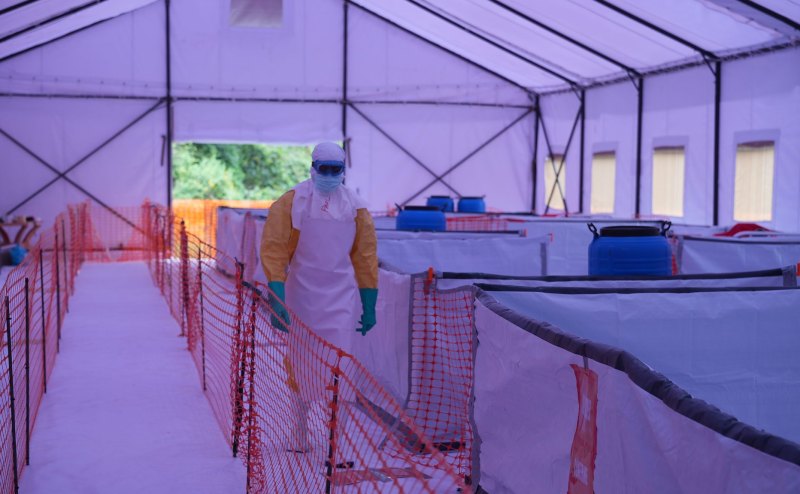 A health specialist takes a walk inside the new Ebola simulation centre in Nairobi/MSF
MSF said the training is also intended to create a ripple effect by enabling participants to transfer knowledge and skills to other healthcare workers involved in outbreak response efforts.
“Trained frontline workers will not only support the response in the DRC but also mentor and support other health workers in the country,” the organisation said.
The organisation moved to reassure the public that the Nairobi facility poses no health risk to residents, emphasizing that it is strictly a simulation and training centre.
“No suspected or confirmed Ebola patients are being treated, isolated, or housed at the site, and the facility does not serve as a quarantine zone,” MSF said.
“To maintain the highest safety standards, the centre will operate under a controlled participant movement protocol and will not receive participants arriving from Ebola-affected response areas.”
The launch of the simulation centre comes at a time of heightened public concern over Ebola preparedness in East Africa, with health authorities closely monitoring developments in neighbouring countries.
MSF, which has decades of experience responding to Ebola outbreaks, said it had previously supported responses to Bundibugyo virus outbreaks in 2007 and 2012.
The organisation stressed that while Ebola remains a serious disease, outbreaks can be controlled through swift interventions, effective public health measures and strong community engagement.
“Ebola disease is serious, but outbreaks can be contained through timely interventions, strong community engagement, and effective public health measures,” MSF said.
The humanitarian organisation, which operates in more than 75 countries, has worked in Kenya for over three decades, responding to numerous health emergencies and supporting efforts to strengthen public health systems.
Election is the foremost public participation exercise