Tanzania, the land of Mwalimu
Julius Kambarage Nyerere — the conscience of Africa’s liberation — is bleeding.
The nation that once stood as the moral and intellectual anchor of the
continent is being torn apart by repression, fear and betrayal.
Those who now
occupy his house are methodically dismantling the vision of justice, dignity
and freedom that Nyerere etched into the soul of the Tanzanian nation.
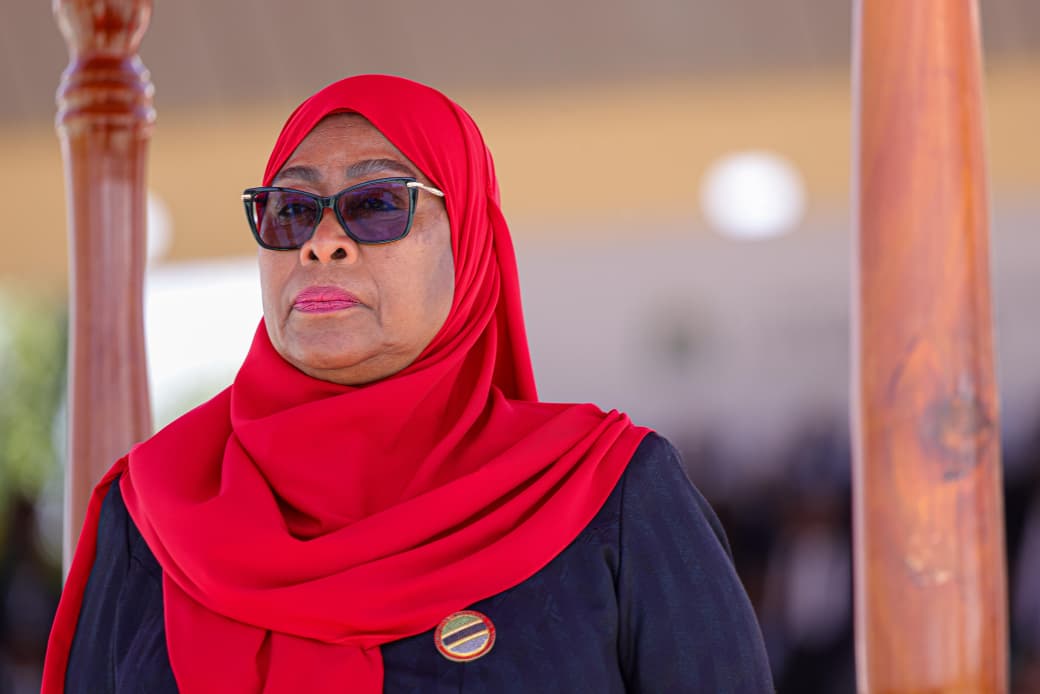
President Samia Suluhu Hassan and
the Chama Cha Mapinduzi leadership have led Tanzania into one of its darkest
political alleys since independence.
Under their watch, the country has
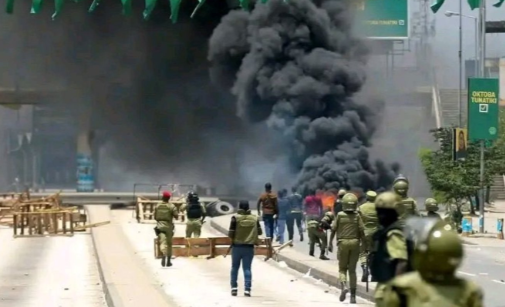
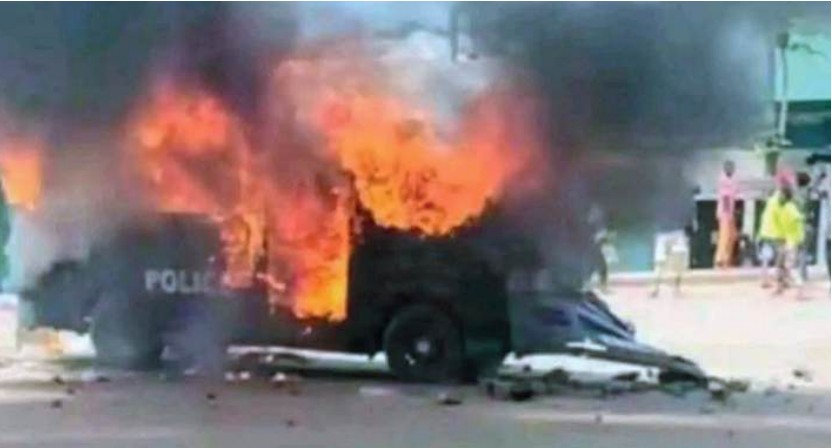
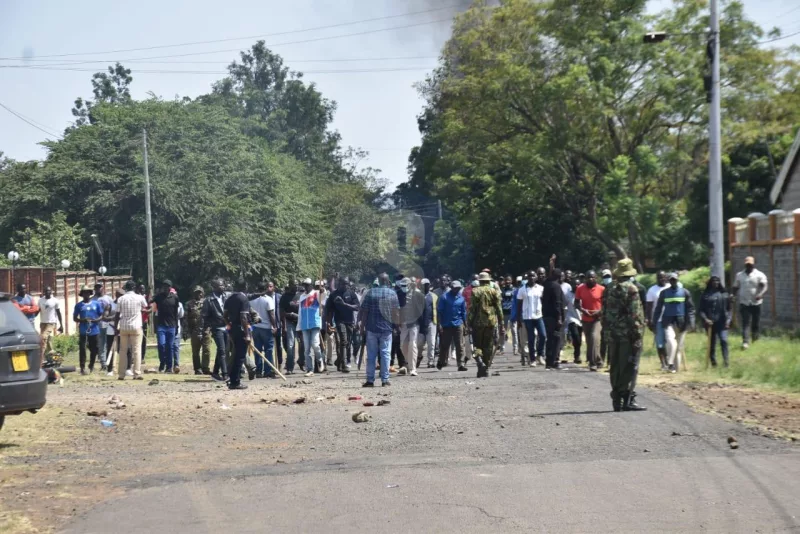
witnessed a surge in intimidation, arbitrary arrests, media censorship and the
silencing of dissenting voices. The Tanzania that once sheltered exiled freedom
fighters from across Africa has become a country where its own citizens must
whisper their truths in fear.
It is painful — even shameful —
that the once proud revolutionary party, CCM, has degenerated into an instrument
of control rather than liberation. The founding fathers of this movement
envisioned a people-centered democracy rooted in equality and mutual respect, Ujamaa.
Today, that dream is being eroded in real time, replaced by authoritarianism
disguised as order and patriotism. The party that was once the vanguard of pan-African
freedom is now a cautionary tale of how power, unrestrained, devours the ideals
that birthed it.
But the rot does not end in Dar
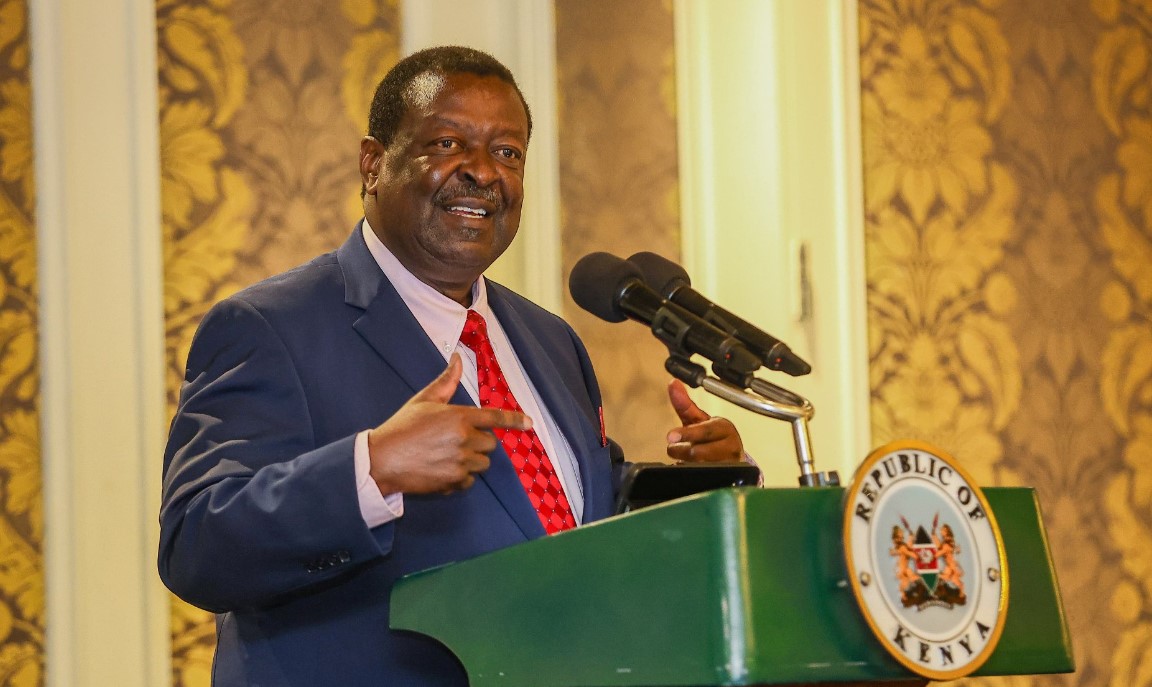
es Salaam. The silence of Africa’s leadership is even more damning. The African
Union and the East African Community — both established to uphold justice and
solidarity among African nations — have chosen cowardice over conscience.
Their
“congratulatory” messages to President Suluhu, even as Tanzanians cry for help,
are an affront to the values they claim to defend. When the protectors of
democracy become cheerleaders and enablers for autocracy, what hope remains for
the ordinary African?
This is not just about
Tanzania; it is about the soul of Africa. The erosion of freedom in one African
country diminishes us all. Nyerere understood that.
He opened Tanzania’s doors
to the oppressed from Mozambique, South Africa, Uganda and Zimbabwe. He
believed that the freedom of one African was tied to the freedom of all Africans.
How tragic, then, that under Suluhu’s leadership, Tanzania has turned its back
on that sacred pan-African duty.
Even more disheartening is the
symbolic betrayal that her presidency represents. When Suluhu ascended to
power, she was celebrated as a trailblazer for women’s leadership in Africa — a
sign that the continent was ready to embrace inclusive governance.
Many
believed that her leadership would blend compassion with firmness, and empathy
with vision. Instead, what we have witnessed is a regime that has weaponised
power, stifled opposition and diminished the promise of women’s leadership.
Her
actions have given fodder to those who argue, unfairly, that women cannot
govern differently. That is a tragedy for every woman leader in Africa who
dreams of transforming her nation through justice and integrity.
Leadership, after all, is not
defined by gender but by character. True leadership listens, heals and uplifts.
It does not muzzle critics or criminalise accountability.
But Tanzanians are not powerless.
History teaches us that no regime, however repressive, can extinguish the human
spirit forever. The people of Tanzania must reclaim their country through
unity, peaceful resistance and unrelenting civic engagement.
They must remember
that democracy is not a gift bestowed by the powerful but a right earned and
defended by citizens. It was Nyerere himself who reminded his people that “freedom is not something that one people
can give to another; each people must win its own freedom.”
Africa’s conscience cannot be
silent while Tanzania cries. The AU, the EAC and every African government must
demand an end to the persecution of journalists, activists and opposition
figures. They must remind President Suluhu that leadership without
accountability is tyranny — and tyranny has no place in the house of Mwalimu Nyerere.
History will not absolve those
who watched silently as Tanzania bled. It will not be kind to those who traded
moral courage for political convenience.
The Tanzania that Nyerere built was
grounded in human dignity and equality; the Tanzania that Suluhu presides over
risks being remembered for betrayal and fear.
But there is still time to
return to the light. The spirit of Nyerere — the spirit of truth, compassion
and courage — still hovers over the land. It calls upon every Tanzanian, every
African, to remember that freedom once lost must be fought for again, not with
weapons, but with conviction.
Tanzania is too important a
symbol of African liberation to be allowed to fall to authoritarian decay. The
world must not wait for mass graves or exiles before acting.
The international
community — led by the UN, the ICC and democratic governments — must remind
Suluhu and CCM that power must always bow to justice, not the other way around.
Africa cannot afford another
silence. Tanzania’s people deserve freedom, dignity, and truth. And Nyerere’s
legacy demands no less.